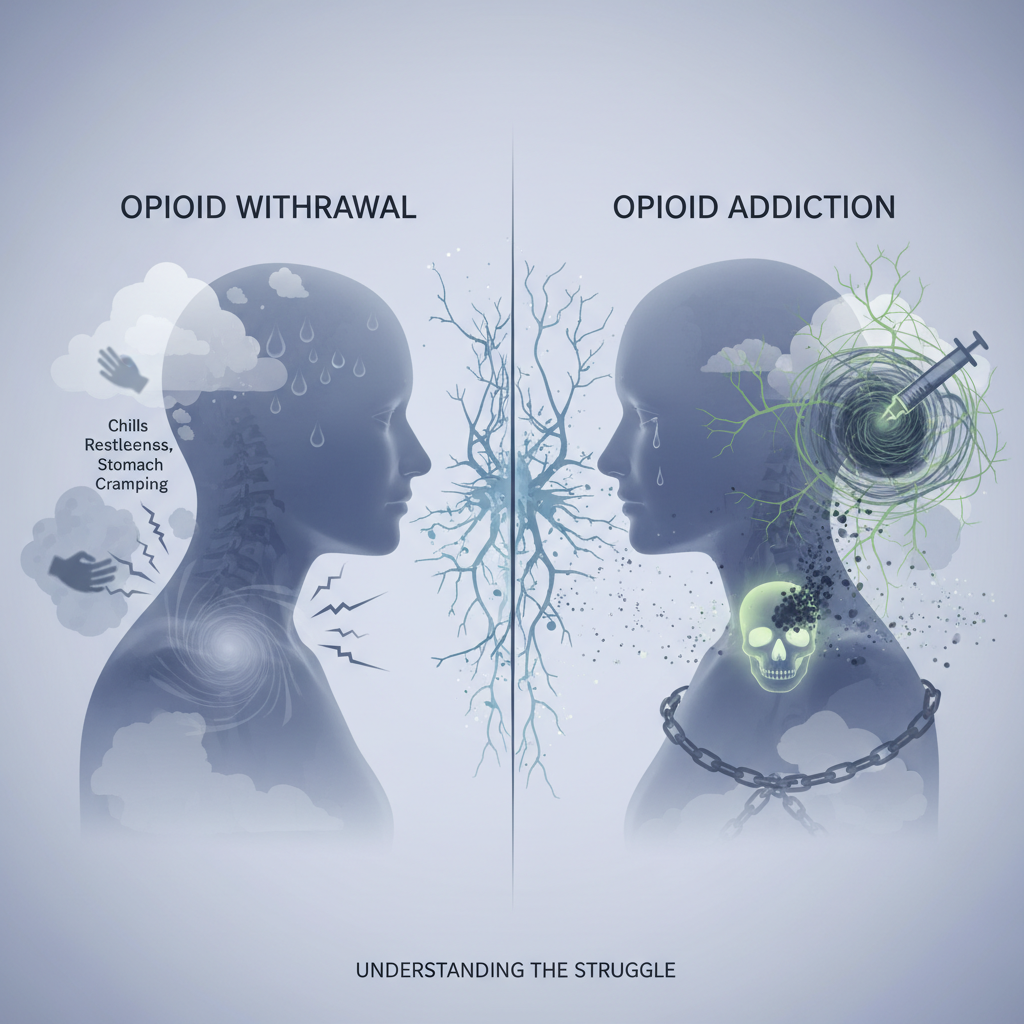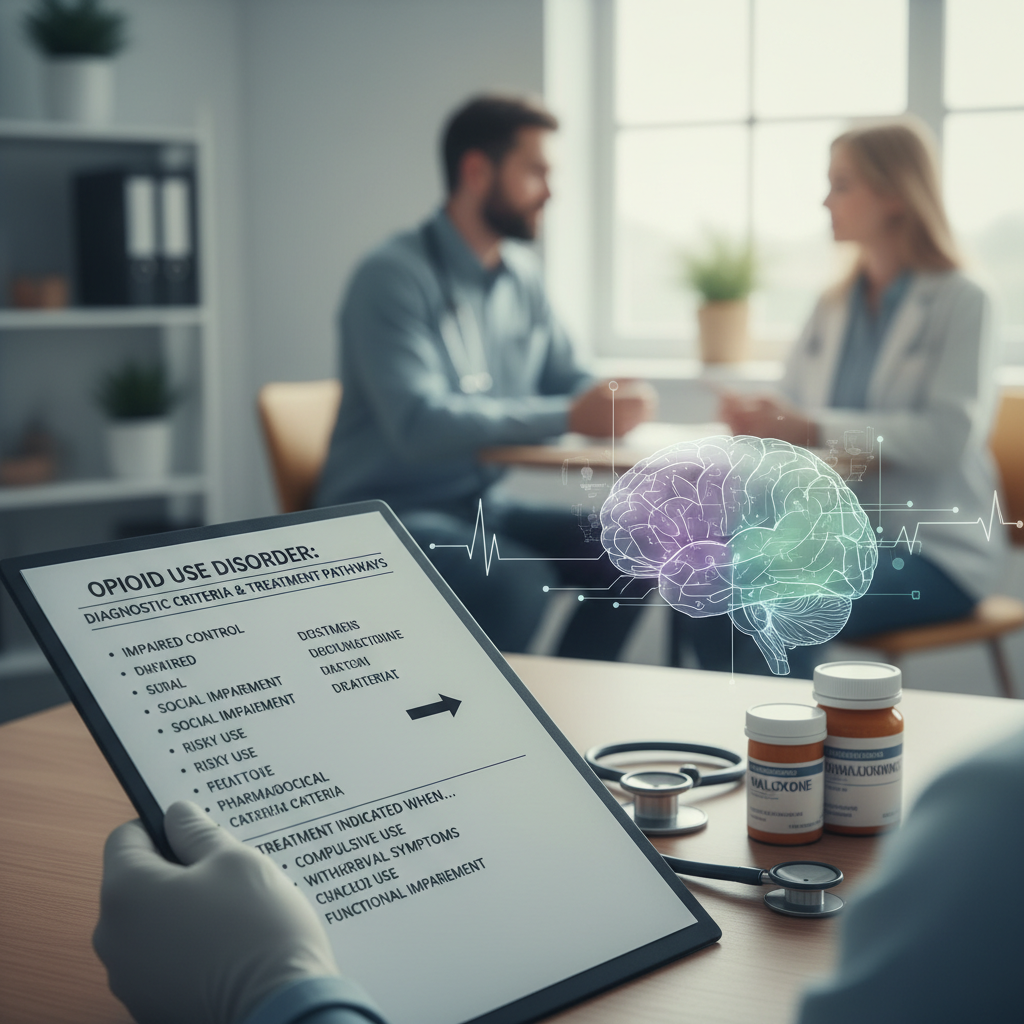

When you or a loved one is looking for help overcoming addiction, our opioid outreach clinical team offers a guiding hand with warmth, respect, and real-world expertise. We understand the weight of opioid use disorder (OUD) on both individuals and families, and we believe no one should face this journey alone. In 2023, more than 100,000 drug-involved overdose deaths were reported in the United States [1], emphasizing the urgency of accessible, compassionate care. With us at Carolina Energetics, you’ll find supportive clinicians, evidence-based treatments like medication-assisted treatment (MAT), and a welcoming environment that respects your dignity every step of the way. We’d like to walk you through how our approach works and why we wholeheartedly believe in recovery, hope, and a second chance.
Meet our opioid outreach clinical team
We’ve built our opioid outreach clinical team on the principle that high-quality care begins with human connection. Each member of our team brings specialized knowledge of opioid addiction, but just as importantly, they share an authentic concern for your well-being. From the first phone call to ongoing follow-ups, we make sure you feel heard, understood, and safe.
Who we are
We’re a group of dedicated professionals who believe addiction treatment is more than just a job. Our backgrounds range from mental health counseling to addiction psychiatry and social work, enabling us to integrate many perspectives into a single, supportive unit. Some of us focus on prescribing medication like buprenorphine or Suboxone, others dive deeper into therapy modalities or patient advocacy, and all of us come together with one goal: to help you reclaim control of your life.
Our team members regularly participate in harm reduction initiatives, community outreach, and continuing education to stay updated on best practices in opioid treatment. According to data from the Substance Abuse and Mental Health Services Administration, harm reduction services can substantially lower overdose fatalities and save countless lives [1]. We’re proud that we can be part of that solution by offering an open door and an empathetic ear—even for individuals who haven’t had success with treatment in the past.
Why our approach works
Our approach works because it’s both comprehensive and personal. We combine medication-assisted treatment with an array of counseling options, community resources, and emotional support. When you have a holistic plan that addresses medical, psychological, and practical needs, your chances of sustaining recovery rise dramatically. We also collaborate with local organizations and stay up-to-date on opioid policy advocacy resources [2] so we can connect you with critical services. Our team is trained to communicate closely, ensuring everyone, from your prescribing provider to your therapist, is on the same page when it comes to your care.
We don’t believe in a one-size-fits-all formula. Instead, we craft personalized strategies because every person’s journey is different. That adaptability is at the heart of why our approach has helped so many find renewed hope and a more stable path forward.
Learn about medication-assisted treatment (MAT)
Medication-assisted treatment is at the core of our offerings, and it has been recognized globally as one of the most effective methods for addressing opioid addiction. Our experience shows that MAT can offer significant relief from withdrawal symptoms and cravings, helping you focus on rebuilding your life. We ensure each medication plan is developed with careful consideration of your medical history, lifestyle, and personal preferences.
Medication-assisted treatment explained
Medication-assisted treatment combines medications like buprenorphine, methadone, or naltrexone with counseling and behavioral therapies. Each medication serves a slightly different purpose, but the common goal is to stabilize brain chemistry, relieve cravings, and reduce the risk of relapse.
Here’s a quick overview of how MAT can support recovery:
- Medications moderate withdrawal symptoms or block opioid effects.
- Patients can focus on psychological healing rather than battling intense cravings.
- A stabilized system makes it easier to engage in therapy and everyday life.
- Ongoing medical supervision ensures the dosage remains appropriate and safe.
It’s estimated that at least 2 million people have an OUD involving prescription opioids, with another 600,000 or more linked to heroin [3]. Many of them benefit from MAT when paired with consistent counseling and social support. Our clinicians keep current with federal and state regulations, especially regarding FDA policies on abuse-deterrent formulations [3] to ensure high safety standards when prescribing.
Suboxone as a tool
Suboxone (a combination of buprenorphine and naloxone) is one of the most recognized medications in MAT. Because of buprenorphine’s partial opioid agonist properties, it helps reduce cravings and withdrawal symptoms without producing the pronounced euphoria of full opioids. Naloxone further bolsters the safety profile by blocking the effects of opioids if the medication is misused. We typically recommend Suboxone as part of a structured MAT plan that includes therapy sessions, follow-up appointments, and, when needed, collaboration with other supportive services.
Suboxone is a powerful tool, but remember, it’s one piece of a much larger puzzle. We integrate Suboxone treatment with individual or group therapy, psychoeducation, and social support. Some individuals prefer to combine MAT with additional services like our individual therapy opioid addiction or group therapy for opioid treatment. These combined approaches not only enhance your likelihood of long-term success but also help you manage the emotional and psychological components of addiction.
Holistic therapies that lift you up
While medication-assisted treatment can make an enormous difference, we also believe in treating the entire person, not just the condition. Many people living with OUD also struggle with co-occurring mental health challenges such as anxiety or depression. By acknowledging and addressing those challenges through therapy, peer support, or healthy lifestyle changes, you can strengthen your recovery.
One-on-one counseling
Individual counseling offers a private space to explore the root causes of addiction, learn coping strategies, and plan for potential triggers or relapses. We find that one-on-one sessions can be pivotal in helping you rediscover self-worth and resilience. Our counselors might use approaches like motivational interviewing therapy to spark internal motivation or cbt for opioid addiction to change unhelpful thinking patterns.
If you have more specific needs, we offer substance abuse counseling salisbury for local patients who want comprehensive, in-person sessions. We also recognize that life gets busy, so if traveling to and from appointments is difficult, we’re happy to accommodate you through telemedicine counseling sessions. In all these formats, the goal is the same: to help you transform negative habits into healthy ones and break the cycle of opioid misuse.
Group therapy and peer support
Sometimes, healing feels easier when you realize you’re not alone. Group therapy for opioid treatment allows you to share experiences, listen to others’ stories, and build connections with people who’ve been in your shoes. An environment that nurtures camaraderie can foster mutual accountability, hope, and empathy. We’ve seen numerous patients gain renewed motivation just from hearing how someone else in the group overcame a tough week.
We also believe in the power of peer support group opioid. Peer-led groups can provide an additional layer of encouragement, especially when you see people further along in their recovery who were once where you are now. The synergy between professional-led group therapy and peer-based support is invaluable, creating a network you can lean on when challenges arise.
Mindfulness and stress management
Daily pressures, stress at work, or family responsibilities can all intensify cravings. To help you handle these stressors more effectively, we encourage tools like our mindfulness counseling program. Mindfulness techniques teach you to refocus your attention on the present moment, calmly acknowledge thoughts and feelings, and respond rather than react.
Whether it’s mindful breathing, guided meditation, or journaling exercises, these practices can reduce anxiety, promote relaxation, and instill a sense of calm. We also offer anxiety management therapy for those who want more structured ways to cope with panic symptoms or relentless worry. By being mindful, you develop a healthier relationship with your emotions, redirect negative patterns, and find more balance day to day.
Our personalized path to recovery
Though we share proven best practices, we also know that two people can experience addiction in completely different ways. That’s why we aim to tailor each recovery plan to your circumstances, medical needs, emotional well-being, and personal goals. Our care model is flexible, adapting to changes in your life, including new stressors or improvements you make along the way.
Crafting a custom plan
Our first step typically involves a comprehensive evaluation—both medical and psychosocial. We might start with a psychiatric assessment opioid clinic to understand your mental health profile. We’ll also talk about your history with opioids, the presence of any co-occurring conditions, and your support system at home. After that, we’ll build a plan that might look something like this:
- Medication setup: Initiate Suboxone or another MAT medication suitable for your needs.
- Therapy sessions: Schedule a mix of individual counseling and group therapy sessions.
- Support programs: Consider referrals to community opioid support services or peer-led groups to extend your healing circle.
- Education: Provide relevant opioid recovery education sessions to deepen understanding of addiction and coping strategies.
- Follow-up: Arrange regular check-ins with our opioid outreach clinical team to fine-tune medication dosages and track progress.
Throughout the process, we keep communication open, encouraging you to share feedback and preferences so we can continuously refine your plan.
Ongoing monitoring and aftercare
Recovery doesn’t end the day you stop using opioids or switch to a lower medication dose. It’s a journey that requires consistent support and vigilance against potential triggers. That’s why we remain dedicated to your well-being through opioid outpatient monitoring and structured follow-ups. We also offer opioid aftercare planning, which guides you in maintaining the progress you’ve made and helps you spot early warning signs of relapse.
A robust aftercare plan may involve:
- Check-ins with our clinical team to adjust MAT dosages.
- Ongoing therapy sessions, either in person or via telemedicine.
- Peer support or 12-step programs for continued social reinforcement.
- Safe opioid treatment environment guidelines to ensure you have a stable, substance-free setting.
- Continuing care opioid clinic visits where you can discuss challenges and celebrate milestones.
We encourage you to keep connecting with your care team. Have new life circumstances changed your schedule? Are you finding a certain therapy technique especially useful, or do you need a different approach? Let us know. Your active participation is vital to shaping a plan that truly fits your evolving needs.
Why choose Carolina Energetics
We understand there are many options out there for addiction treatment, and you may wonder why one particular provider stands out. We believe our focus on empathy, clinical excellence, and a full range of treatment options makes Carolina Energetics a reliable partner as you or a loved one pursues recovery.
Compassion and empathy
We recognize that stigma, shame, and fear often keep people from seeking help. That’s why our entire staff—from receptionists to medical providers—receives training on trauma-informed care and compassionate communication. We strive to maintain a non judgmental counseling environment because we know it fosters trust. If you’re nervous or worried about judgment, remember that we welcome you with open arms.
There’s a reason our approach centers on empathy. Many individuals who’ve battled addiction have experienced barriers to healthcare or faced prejudices in the past. By focusing on kindness and genuine support, we hope to change that experience and empower you to return for continued care and healing. We want you to feel comfortable asking questions, speaking openly, and sharing your story.
Industry-leading expertise
Aside from empathy, we also value clinical rigor. Our team draws on evidence-based therapies—like dbt for opioid addiction, contingency management therapy, or evidence based addiction therapy—that have been tested and validated in various settings. We stay current with federal guidelines, including the latest updates on the FDA’s approval of abuse-deterrent opioid formulations [3]. Whether you need a compassionate psychiatric therapy consultation or specialized interventions, our goal is to bring you proven strategies that work in real-life situations.
To help you compare different aspects of the care you might receive, here’s a quick table highlighting some common components of a comprehensive plan:
| Approach | Purpose | Key Benefit |
|---|---|---|
| Medication-Assisted Treatment (MAT) | Alleviate cravings, stabilize brain chemistry | Improved focus on behavioral change |
| Individual Counseling | Explore personal issues, develop coping strategies | Greater self-awareness and resilience |
| Group Therapy | Foster peer support, shared experiences | Reduced feelings of isolation |
| Aftercare Planning | Maintain progress, prevent relapse | Long-term stability and accountability |
| Community Support Programs | Provide social and practical resources | Continued connection, real-world integration |
We hope this table clarifies how individual parts of a plan work together. Each approach has its own role, but they’re most powerful when combined into an integrated strategy that reinforces positive change from multiple angles.
Frequently asked questions
1. What exactly is an opioid outreach clinical team?
An opioid outreach clinical team is a group of professionals who specialize in helping individuals navigate opioid addiction treatment. We combine clinical expertise with a community-focused approach. By offering medication support, therapy options, and ongoing monitoring, we aim to meet you wherever you are in your recovery journey. Think of us as your partners, advocates, and guides all rolled into one.
2. How does medication-assisted treatment help in recovery?
Medication-assisted treatment provides relief from the intense cravings and withdrawal symptoms that characterize opioid addiction. When used properly, MAT can stabilize your body and mind, allowing you to concentrate on meaningful behavioral, emotional, and social changes. Combined with therapy and peer support, MAT reduces relapse risks and can lead to improved personal well-being and better treatment outcomes.
3. Do I have to attend therapy sessions if I’m on MAT?
We highly recommend it. While medications like Suboxone can be a big help, combining them with therapy is the gold standard for long-term success. Counseling sessions—whether individual or group—help you dig into the underlying causes of addiction, refine coping strategies, and develop healthier habits. Plus, therapy sessions often boost motivation and accountability. If in-person visits are challenging, consider telemedicine counseling sessions as an alternative.
4. How do you handle relapse or setbacks?
We understand that relapse does not mean failure. If a setback occurs, we concentrate on adjusting your treatment plan, which might include revisiting medication options, enhancing therapy frequency, or exploring different therapeutic models like mindfulness counseling program. Relapse is often a signal that something in the existing plan needs tweaking, so we respond by refining our approach and providing extra support. Our goal is to create a safe environment where you feel comfortable discussing challenges without fear of judgment.
5. Is care accessible for people outside your immediate area?
Absolutely. Carolina Energetics strives to make resources accessible through a variety of formats. Along with in-person treatment, we offer telehealth services for those who live far away or have limited mobility or transportation. We also connect patients with local resources like a community opioid support services network near their home. We want everyone who reaches out to us to feel they can get the help they need, no matter their location.
Moving forward together
Reaching out for help in the midst of opioid addiction takes courage, and we’re here to support that brave choice every step of the way. Our opioid outreach clinical team doesn’t just hand you a prescription and hope for the best. Instead, we work collaboratively to develop a nurturing plan that could include medication, individualized or group therapies, and robust aftercare. We also keep track of the latest research on harm reduction and the opioid ecosystem [3], ensuring our resources align with cutting-edge approaches.
We recognize that recovery is a continuous process. That’s why we emphasize flexibility, open communication, and a willingness to refine strategies as new challenges or achievements surface. Whether you come in through our physical doors or connect with us online, we’re committed to creating a safe opioid treatment environment where you can focus on your healing. If you believe in taking small steps, or if you’re ready for big leaps toward a substance-free life, we’ll honor your pace.
When it comes down to it, what truly matters is that you find a path you trust—one that speaks to your hopes, your values, and your comfort level. We’d love to be the team to walk alongside you. If you or a loved one is considering medication-assisted treatment for opioid addiction, remember that every journey starts with a single step. You don’t have to face this challenge alone. Let us help you find the support you need to make lasting changes, regain stability, and rediscover hope. Our doors are always open, and we look forward to being part of your story.