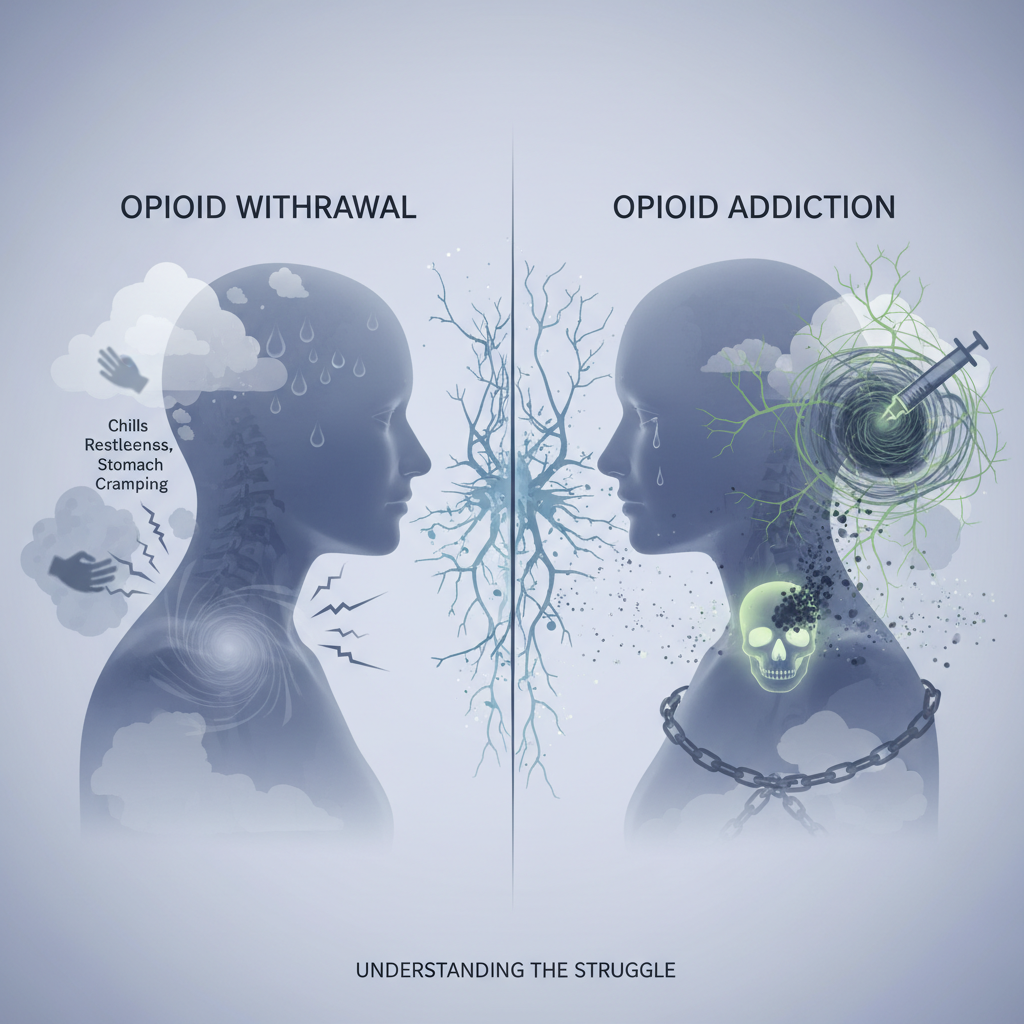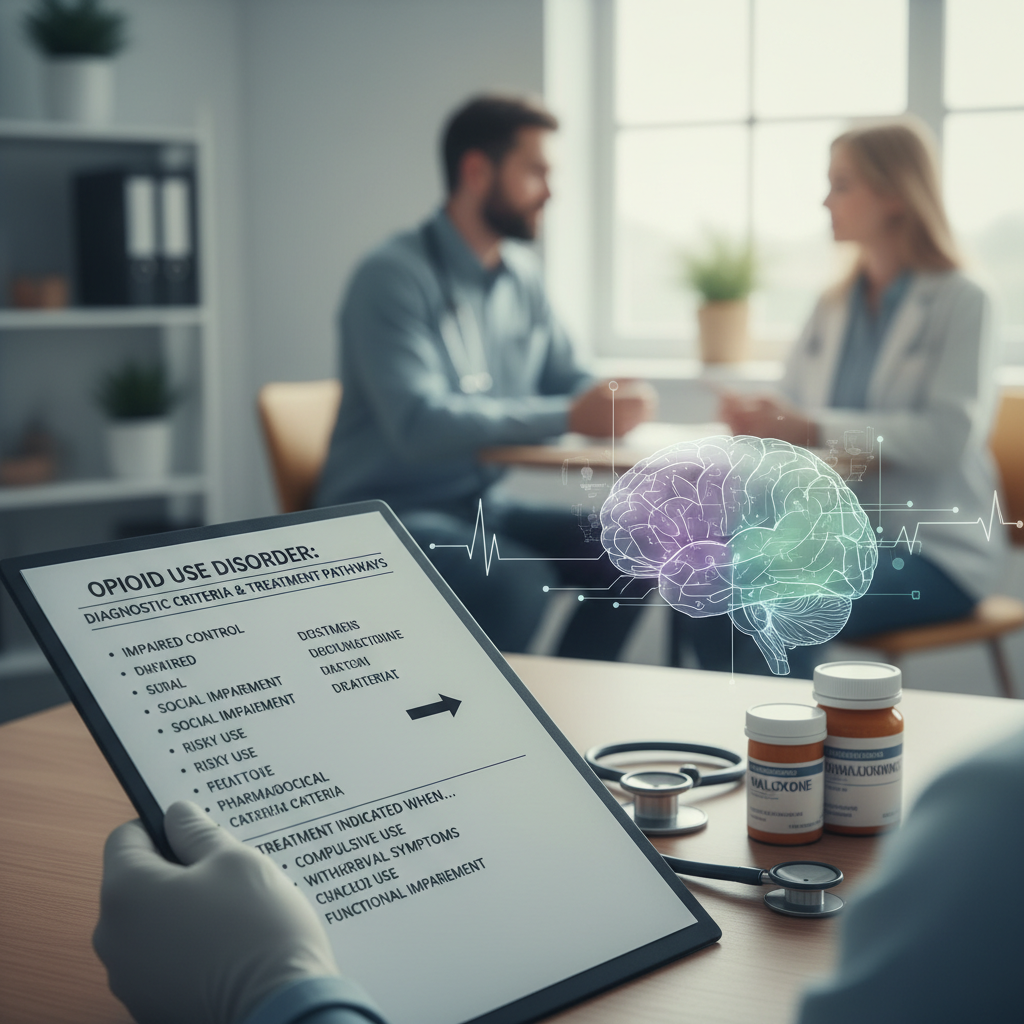

We understand how important it is to find a safe opioid treatment environment when you or a loved one is grappling with opioid addiction. At Carolina Energetics, our mission is to offer medication-assisted treatment (MAT) in a setting that emphasizes compassion and expertise. We believe true healing goes beyond medication alone. Instead, it thrives where comprehensive support, solid education, and personalized care intersect.
In this article, we want to show you why our approach to opioid addiction treatment could be the right fit for you or someone close to you. We will highlight how safety, evidence-based methods, and consistent monitoring all come together to shape a secure and effective treatment experience.
Understand the importance of safety
MAT combines certain medications with counseling and behavioral therapies to help reduce cravings, relieve withdrawal symptoms, and support healthier recovery patterns. However, choosing the right place to receive MAT is just as crucial as the medication itself. When we speak of a secure or safe opioid treatment environment, we mean a nurturing space that offers:
- Caring and knowledgeable staff to guide your journey
- Consistent medication monitoring to track progress
- Access to multiple therapy options to address mental health
- Proper education on the risks, benefits, and responsibilities of treatment
In other words, we work to ensure that each individual feels physically and emotionally protected. According to the Substance Abuse and Mental Health Services Administration (SAMHSA)(https://www.samhsa.gov/substance-use/treatment/statutes-regulations-guidelines), people at risk of or dealing with mental health and substance use issues benefit significantly from environments where they can receive coordinated support. We take this perspective to heart, offering the resources needed to foster real growth.
Redefining a safe opioid treatment environment
You might wonder, “What does it really mean to provide a genuinely safe atmosphere?” We see it as a combination of empathy, trust, and structure. Whether you are receiving counseling, medication, or both, you should feel that your treatment plan aligns with your needs, lifestyle, beliefs, and progress.
We do not assume that one solution works for everyone. Our team invests time in thorough assessments and open conversations. We want to know you as a person, learning what motivates you and what your history is like. That way, we can work together on an approach that feels comfortable yet encourages real change.
Our approach to MAT services
Carolina Energetics wants you to feel confident taking meaningful steps forward. If you are considering MAT, here is what we offer:
- Individualized treatment plans. We tailor medication dosages and counseling sessions around your specific needs.
- A variety of therapy models. From individual therapy for opioid addiction to group therapy for opioid treatment, we incorporate diverse approaches.
- Ongoing education. We talk to you about side effects, safe storage, and disposal practices, so you can avoid common pitfalls and minimize risks.
- Compassionate environment. We provide a non judgmental counseling environment where you can speak freely without fear of stigma.
Find hope with medication monitoring
Medication monitoring plays a key role in maintaining safety and ensuring successful outcomes during opioid addiction treatment. By tracking the proper use of medications like Buprenorphine, Methadone, or Naltrexone, we confirm their effectiveness and make adjustments based on your ongoing progress.
Why medication monitoring matters
According to research, carefully monitoring a patient’s medication use is vital for addiction treatment (Method Treatment)(https://www.methodtreatment.com/medication-monitoring-in-recovery-support-a-doctors-approach/). We have found that consistent oversight:
- Identifies potential misuse early
- Helps prevent relapse by ensuring medication is used as prescribed
- Builds trust between you and our medical team
- Encourages regular check-ins and open communication
Safe prescribing practices and regular follow-up appointments help reduce risks such as accidental overdose or improper medication storage. Plus, we feel more confident adjusting your treatment plan when we have accurate information about how you are responding to medication.
Common medications used in opioid addiction
- Buprenorphine: Partial opioid agonist that helps reduce cravings and dependence.
- Methadone: A full opioid agonist used under strict supervision to curb withdrawal symptoms.
- Naltrexone: An opioid antagonist that blocks opioid receptors to lessen cravings and prevent the “high” feeling.
Each medication suits different needs. Some individuals might work well with Buprenorphine, while others need Methadone for ongoing stability. Our job is to pinpoint the best match and guide you through each stage of medication-assisted treatment.
Staying on track with consistent support
While medication helps control physical cravings, we also emphasize ongoing support and therapy. Check-ins, counseling sessions, and group discussions reinforce the idea that you are never alone in your journey. You have professionals, peers, and loved ones rooting for you as you keep moving forward.
We invite you to learn about our opioid outpatient monitoring program, which further strengthens accountability. This structure ensures that your progress is not just a momentary success but a sustainable path combined with consistent medication management and therapy.
Explore our comprehensive therapy options
Medication alone cannot address the underlying issues that fueled addiction in the first place. We recommend pairing medication with therapy, so individuals learn healthier coping mechanisms, life skills, and self-awareness.
Individual therapy and group sessions
Personalized, one-on-one therapy is a cornerstone of our approach. In these sessions, you can address everything from past traumas to everyday stresses, guided by professional counselors who truly listen. We also see incredible value in group settings, such as our group therapy for opioid treatment. There is comfort in sharing stories, strategies, and moments of inspiration with peers who understand your struggles firsthand.
If you are unable to attend in person or need extra flexibility, we also provide telemedicine counseling sessions. For many, talking through challenges in the comfort of one’s own home can feel more accessible and less intimidating.
Wrapping evidence-based approaches into your plan
We incorporate proven methods like cbt for opioid addiction (Cognitive Behavioral Therapy) and dbt for opioid addiction (Dialectical Behavioral Therapy). These strategies involve examining thought patterns, recognizing negative triggers, and practicing skills to reform them.
You might also benefit from motivational interviewing therapy, which helps you explore internal motivations, or contingency management therapy, where tangible rewards reinforce positive behaviors. Each therapy model brings its own strengths, and we adapt them to fit your journey.
Embrace ongoing education and community resources
Education is a powerful tool, especially when it comes to opioid treatment. By understanding the science behind addiction, the possible side effects of your medication, and the steps you can take to safeguard your health, you become an active participant in your own recovery.
Psychoeducation and helpful resources
We encourage you to spend time with our psychoeducation opioid clinic, where our staff provides in-depth discussions about opioid use, safe handling, and potential pitfalls. Studies show that improving patient knowledge can lead to safer behaviors and decrease the likelihood of misuse (PubMed)(https://pubmed.ncbi.nlm.nih.gov/31567320/).
We teach you or your loved ones about:
- Proper medication storage
- The risks of opioid-related side effects
- Strategies for preventing diversion (medication falling into the wrong hands)
- How to recognize symptoms of relapse
This awareness is crucial to maintaining a truly safe opioid treatment environment. It helps ensure that the medications stay effective and fosters an understanding of addiction’s complexities.
Surrounding yourself with a supportive team
At Carolina Energetics, we look at each patient holistically. Addiction often goes hand-in-hand with mental health concerns like anxiety or depression. That is why we also connect you with anxiety management therapy or depression management therapy, if needed. It’s all about designing a robust support network that addresses as many aspects of your well-being as possible.
In addition, we believe community is vital. Resources like peer support group opioid can help you develop genuine connections with others who understand your journey. Recovery can feel isolating, but you will find renewed motivation when your environment—whether at home or in a group setting—encourages healthy coping strategies.
Why choose Carolina Energetics for MAT
The decision to seek help is deeply personal. We understand the mix of emotions you may feel, from hesitant to hopeful. Here is how we strive to create a better experience for you or your loved one:
A safe haven for healing
Opioid addiction does not define you, and we never treat it like a simple label. We believe in creating a custom plan that addresses the root causes of addiction, providing medication as needed, and weaving in therapies that help develop self-awareness and trust.
One of our primary goals is to foster a caring atmosphere so you never feel judged. Everything from the layout of our clinics to the structure of our programs is designed to promote comfort. We also maintain open lines of communication, so you can quickly share concerns, ask questions, or seek adjustments to your treatment plan.
Our philosophy of empowerment
Recovery is not just about “fixing a problem.” It is about realizing your own power to change the course of your life. By offering:
- Compassionate education on safe opioid use
- Mindfulness counseling programs to help you stay grounded
- Evidence based addiction therapy for proven results
- A caring team that cheers you on
We believe you will feel a new sense of self-determination emerge. Yes, it can be difficult in the early stages, but as you build confidence, the safe opioid treatment environment we have nurtured will continue to support your progress.
Keep building your future
Recovery does not stop once you finish a treatment program. In fact, we think of aftercare as the next essential step in cultivating long-term health. Strategies like opioid relapse prevention therapy, opioid aftercare planning, and ongoing counseling can provide the continued foundation for growth.
Relapse prevention and aftercare
It is common to worry about relapse, especially in the hectic pace of everyday life. That is why we create specialized plans for each individual. According to data from the Centers for Disease Control and Prevention (CDC)(https://www.cdc.gov/overdose-prevention/treatment/opioid-use-disorder.html), combining medication with supportive counseling can significantly reduce overdose risk and help prevent setbacks.
We emphasize:
- Regular check-ins. Sharing progress and concerns brings accountability to your journey.
- Coping skills. Techniques for dealing with triggers and stressful situations before they escalate.
- Continuous therapy. Ongoing therapy can help you unearth deeper emotional issues, regulate emotions, and refine your coping tactics.
Remember, relapse does not mean you have failed. It is a signal that your existing plan might need an update. That is why we prioritize follow-up and reevaluation.
Extending your support network
Over the long haul, family, friends, peers, and professionals are all potential pillars of strength. We encourage you to reach out to local communities, attend community opioid support services, and remain connected with us. Even if everything seems well, having a reliable network makes it easier to handle future challenges.
By actively participating in local educational programs and staying in touch with your treatment team, you not only handle potential relapses more effectively but also set an inspiring example for others dealing with addiction. Many of our patients eventually become mentors themselves, inspiring others to seek help.
Frequently asked questions
Below are some questions we often hear from individuals determining whether our approach is the right fit. We hope they provide the clarity you need during your decision-making process.
-
How does medication-assisted treatment work?
Medication-assisted treatment (MAT) blends approved medications, such as Buprenorphine or Methadone, with counseling and therapy. These medications stabilize withdrawal symptoms and reduce cravings. Combined with therapy, MAT supports behavioral changes and guides you toward a healthier lifestyle. -
Is Carolina Energetics right for my loved one who has struggled for years?
We welcome individuals who have battled addiction long-term as well as those ready to address new issues. Our focus is on meeting you or your loved one wherever you are in the recovery journey. With flexible services like substance abuse counseling salisbury or supportive therapy sessions, we adapt the level of care needed at any stage. -
Can I continue working and living at home while getting treatment?
Absolutely. Our outpatient model, including options like telemedicine counseling sessions, allows you to continue your daily routine while staying committed to the treatment process. We schedule appointments to fit your life so you can fulfill responsibilities at work or home. -
Do you incorporate holistic approaches to addiction recovery?
Yes, we recognize the value of holistic support. Services like holistic recovery support services, mindfulness-based therapy, and additional wellness activities allow you to heal both mentally and physically. We believe in strengthening the body-mind connection to help you develop sustainable recovery habits. -
How do I get started with Carolina Energetics?
We make it simple to begin. Reach out to our clinic or visit our website to discuss your specific needs. We will schedule an initial consultation to explore your goals and craft a plan. From psychiatric assessment opioid clinic to opioid policy advocacy resources, we offer the services needed to start your journey on safer ground.
We know that taking the first step can be challenging. By committing to a treatment option that prioritizes safety, expert guidance, and empathetic care, you are investing in a brighter future. We stand by you, offering a compassionate and structured environment designed to empower you or a loved one toward genuine, long-lasting change.
If you are ready to experience a secure, empathetic approach to opioid treatment, reach out to Carolina Energetics. By prioritizing a safe opioid treatment environment, embracing evidence-based practices, and focusing on individual needs, we strive to make this path as supportive and successful as possible. Let us walk beside you every step of the way. Your best life is worth the effort—and we are here to help you claim it.