
At Carolina Energetics, we believe that creating a genuine, non judgmental counseling environment is one of the most important steps toward healing from drug or opioid addiction. When you or a loved one walks through our doors, we want you to feel safe, respected, and empowered to share your story without fear of criticism or shame. Over the years, we have seen time and again how a supportive setting can transform the recovery journey, strengthening motivation, trust, and long-term success. In the sections below, we’ll walk you through how we nurture this atmosphere, why it matters for medication-assisted therapy (MAT), and the ways we continue to develop our compassionate approach to addiction treatment.
Understand our commitment to safe, supportive care
We know that seeking help for addiction, whether for yourself or a loved one, takes courage. It means facing vulnerability, admitting that life has taken a difficult turn, and opening up to another person for help. Our entire counseling philosophy is built on respect, empathy, and understanding. This foundation is not only rooted in human decency but also supported by well-known counseling research.
For instance, studies from the Mental Health First Aid organization emphasize that negative judgments can create barriers that prevent individuals from speaking openly [1]. When people sense shame, they are much more likely to withdraw from therapy or treatment. Our goal is to tear down those barriers with compassion and acceptance, making sure you sense genuine warmth from day one.
The power of empathy
Empathy is at the heart of everything we do. Instead of imposing our own values or judgments, we strive to see every concern through your eyes. Research from counseling thought-leaders, including Carl Rogers’s client-centered approach, underlines that empathy and acceptance spark hope and encourage open conversation. Feeling heard, understood, and validated can make an enormous difference in how you engage with treatment.
Building trust from the start
We work hard to establish trust right away by maintaining open communication, protecting confidentiality, and ensuring all our team members are mindful of the unique struggles you might be facing. Everything from your initial phone call to your first intake session is designed to help you sense that we’re here to listen, never to judge. This is especially crucial for individuals who have felt stigmatized or misunderstood in the past.
Why a nonjudgmental approach matters for opioid recovery
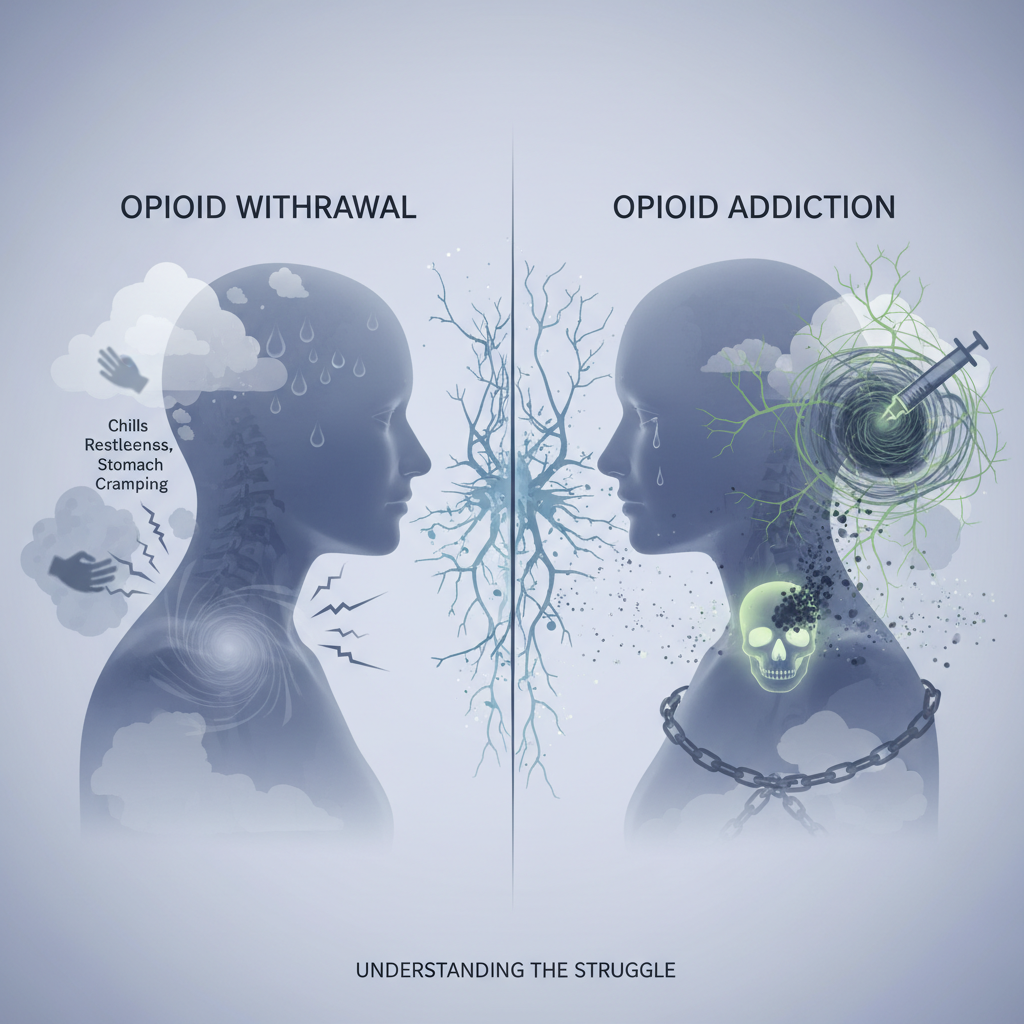
Opioid addiction is complex, often steeped in physical dependence, withdrawal challenges, and emotional upheaval. Many who struggle with opioid use disorder have already faced stigma from society, family, or friends. Unfortunately, these negative experiences can make it even harder to reach out for professional help.
At Carolina Energetics, we recognize how damaging stigma can be for someone already grappling with the ups and downs of opioid addiction. Research from Seacrest Recovery Center suggests that eliminating judgment helps reduce fear and shame, allowing individuals to fully invest in therapy [2]. Our approach aims to cultivate that sense of emotional safety so you can feel motivated to stay on track with both the counseling process and your medication regimen.
Strengthening long-term engagement
Consistency is key for success in MAT. When you trust the team guiding your treatment, you’re more likely to attend sessions, adhere to medication guidelines, and remain engaged, even through difficult days. A non judgmental counseling environment removes many of the psychological barriers that might otherwise lead someone to cancel appointments or give up.
Encouraging open dialogue
Without true openness, it’s hard for counselors to adjust care plans or identify the triggers that could lead to relapse. We ensure you can voice your fears, cravings, and uncertainties without feeling you’re letting us down. This ongoing dialogue helps frame your treatment around your experiences and personal goals, reinforcing your sense of autonomy in the process.
Key elements of our counseling environment
Cultivating a non judgmental counseling environment is more than a tagline for us. It’s a synergistic set of principles and practices that shape our work, from staff training to therapy approaches. Below are a few of these cornerstones.
1. Staff training and continuing education
We hold regular workshops in which our team members explore evidence-based best practices, such as motivational interviewing therapy and mindfulness counseling program. By staying updated, counselors can continuously refine skills like reflective listening, unconditional positive regard, and empathy. Moreover, we encourage open dialogue about potential biases people might bring into the counseling room. Research from Therapist.com points out that even well-intentioned professionals can have unconscious biases, so addressing these proactively promotes a consistent, welcoming experience for you or your loved one.
2. Active listening and genuine attentiveness
We practice active listening by engaging fully, making eye contact, and reflecting back what you share so you know you’ve been heard. This might sound simple, but the result means you leave each session feeling understood and respected. It also supports your confidence in sharing even the most sensitive details, from mental health struggles to past traumas.
3. Respectful boundaries and open communication
Our policy is to uphold professional, caring boundaries. You’ll never face intrusive probing that isn’t relevant to your needs. Also, our communication style invites you to be honest, but it’s never forced. You can go at your own pace, a principle championed by counseling experts at Counseling Today Magazine, who emphasize how respecting a client’s comfort level is paramount for trust building.
4. Collaboration, not top-down directives
We see you as the expert on your life story. While our training and background can guide you toward effective solutions, the therapy process ultimately involves a shared decision-making model. You have a voice in setting treatment goals, deciding whether you’d prefer individual therapy opioid addiction or group therapy for opioid treatment, and discussing any adjustments to medication plans. That collaborative spirit underscores our commitment to meeting you where you are.
Our approach to medication-assisted therapy (MAT)
Medication-assisted therapy helps people experiencing opioid addiction reduce cravings and withdrawal symptoms, giving them the clarity they need to focus on deeper emotional and psychological work. We fuse MAT with a supportive counseling environment so the entire person is treated, not just the chemical dependence.
1. Suboxone and beyond
We tailor medication plans to your individual needs, whether that involves Suboxone or alternative medications. Our medical professionals perform thorough assessments, ensuring we choose the best option for your situation. Alongside medication, you’ll engage with counseling methods like cbt for opioid addiction or dbt for opioid addiction, depending on what resonates with you. This combo of strategies has proven to reduce relapse rates and boost overall well-being.
2. Integrating therapeutic modalities
We draw from evidence-based approaches, such as cognitive behavioral therapy and motivational interviewing, to help you identify triggers, reframe thought patterns, and build healthier coping skills. Incorporating mindfulness or holistic recovery support services can further enhance relaxation and self-awareness, which are crucial for long-term recovery. Our counseling team also offers supplemental tools like stress management and relapse prevention strategies to support your daily life.
3. Ongoing treatment modifications
Recovery doesn’t unfold in a neat, linear path. Each week or month might bring new challenges—perhaps increased stress at work or unexpected life changes. We regularly evaluate your feedback and adjust dosages or therapy formats to better serve your changing needs. Through respectful, two-way communication, we ensure that you always have a say in what’s working best for you.
Addressing unconscious biases in therapy
Unconscious biases can affect both clients and practitioners. For instance, you might come in anticipating criticism or judgment, which could stem from childhood experiences or cultural stigma. On the other hand, counselors might carry subtle assumptions that could slip into sessions if not acknowledged. Per Therapist.com, raising awareness of these biases is key to stopping them from shaping therapeutic relationships.
How we minimize bias
We foster self-reflection among our staff, encouraging each counselor to examine their personal attitudes about addiction, mental health, and client backgrounds. We also maintain an open feedback loop where colleagues can gently point out if any interactions come across as less than supportive. For you, the client, this translates to a genuine sense that we remain open-minded, treating every individual with unconditional respect.
Encouraging clients to self-reflect
We often incorporate reflection exercises for clients too. Whether through journaling, guided imagery, or group discussions, you’ll have the chance to build awareness around your own beliefs, self-talk, or judgments. That process can be liberating, helping you let go of self-blame and focus on growth.
Building trust in challenging situations
We realize that some individuals are reluctant to seek counseling, especially if they’ve had negative prior experiences or worry about how they’ll be perceived. That’s why we emphasize a welcoming atmosphere from the start. Between phone inquiries and the first intake session, you’ll have multiple chances to ask questions, express concerns, and get a feel for our approach.
Transparency and honesty
We’re forthright about our credentials, treatment philosophies, and what you can expect from medication-assisted therapy. In line with suggestions from Counseling Today Magazine, we don’t sugarcoat the hard work that recovery can require. But we also showcase our unwavering commitment to providing patient, empathetic treatment alongside that honesty.
Validation for your experiences
Even if you feel your addiction might be “too severe” or you believe you’ve made “bad choices,” we aim to normalize these concerns. We approach every client with unconditional positive regard, or the idea that you’re worthy of caring treatment, no matter your history. Having your experiences validated often lessens the weight of shame and can motivate you to keep moving forward.
Fostering a culture of compassion
Creating a non judgmental counseling environment extends beyond one-on-one sessions. It’s woven into everything we do, from administrative processes to how our waiting areas are set up.
1. Welcoming physical spaces
We pay close attention to our environment, recognizing that something as simple as comfortable seating, calming colors, and thoughtful decor can set a soothing tone. Our goal is to cultivate a space that feels more homey and less clinical, helping you feel at ease the moment you walk in.
2. Inclusive community support
Our team also encourages clients to join supportive networks such as peer support group opioid or local meetups facilitated by our staff. Solidarity with others who’ve faced the same challenges can help alleviate feelings of isolation. In these group settings, we stress respectful communication and empathy, ensuring that every participant feels safe sharing their story.
3. Continuous professional development
We align our counseling models with up-to-date best practices. We incorporate ongoing education through conferences, online courses, and membership in professional organizations dedicated to addiction therapy. This continuous learning ensures that every counselor at Carolina Energetics remains at the forefront of providing empathetic, evidence-based guidance.
Emphasizing emotional well-being alongside medication
Medication eases withdrawal symptoms and cravings, but true recovery also depends on the emotional journey. To help you address the underlying factors contributing to opioid misuse, we integrate therapy approaches that encourage you to explore your feelings, set realistic goals, and nurture healthier relationships.
Cognitive and behavioral strategies
Techniques from evidence based addiction therapy can help you unearth the connections between thoughts, emotions, and actions. Over time, you learn to recognize unhelpful patterns—perhaps negative self-talk or impulsive behaviors—and replace them with healthier choices. We’ve witnessed that when individuals feel supported rather than shamed, they are more confident in employing new coping skills.
Mindfulness and relaxation training
Stress is a known trigger for relapse, so building relaxation techniques like mindfulness or guided meditation can be critical. According to PositivePsychology, mindfulness-based counseling nurtures awareness of the present moment and reduces harmful judgments, both of which are crucial for a calm mental state. And although it might seem challenging at first, practicing mindfulness can gradually become a refreshing daily habit that lowers anxiety and brightens your outlook.
Addressing prejudice and stigma head-on
Whether from society, the media, or personal circles, stigma about addiction can still linger. We are proactive in confronting such prejudice. Our approach includes psychoeducation about substance use disorders—explaining that addiction is a treatable medical condition rather than a moral failing. Through compassion and clarity, we counter stereotypes that frame individuals with opioid addiction as incapable or unwilling to change.
Client education
We incorporate psychoeducation opioid clinic methods into treatment. That could involve explaining how opioids bind to certain receptors in the brain, or how stress can amplify cravings. Understanding these processes helps you see your condition in a more objective light, often alleviating self-stigma. Research from Counseling Today warns that self-stigmatization can hamper trust and engagement. By demystifying the nature of opioid addiction, we put you back in the driver’s seat of your recovery.
Social support and advocacy
We encourage you to communicate openly with loved ones who are safe and supportive. For individuals dealing with unsupportive environments or persistent stigma, we can also guide you to resources such as local alliances or community groups. In some cases, we even organize family sessions to help break cycles of misunderstanding and encourage healthier dynamics.
Our tailored solutions for different recovery journeys
Every individual’s story with opioid addiction is unique. Some might thrive in a group-based atmosphere, while others find one-on-one counseling to be more comfortable. We offer an array of specialized programs to meet you exactly where you are.
1. Individual counseling
If you prefer a more private approach, individual therapy opioid addiction lets you work closely with your counselor on deeply personal issues, behavior change, and emotional regulation. This format can be helpful for those who feel safer discussing sensitive topics in a confidential, focused setting.
2. Group sessions
For those who need a sense of communal support, group therapy for opioid treatment can be transformative. Sharing personal stories in a non judgmental counseling environment fosters unity, empathy, and mutual motivation. Group members learn from one another, celebrate milestones together, and offer advice that can resonate more deeply because it comes from peers who “get it.”
3. Specialty therapies
Beyond general counseling, we also offer targeted techniques such as motivational interviewing therapy. This method helps you identify your own reasons for change, rather than feeling pressured from external sources. Many clients benefit from exploring mindful stress reduction through our mindfulness counseling program as well. Combining specialized therapy with our MAT options can create a more holistic treatment experience, addressing the emotional, psychological, and physiological aspects of addiction.
Championing ongoing transformation
Our support doesn’t end when you achieve initial milestones, such as reduced cravings or a stabilized dosage of medication. We stay committed to your journey for the long haul, helping you develop resilience to navigate life’s inevitable hurdles.
Setting sustainable goals
Throughout your treatment, we help you define meaningful objectives—anything from mending relationships to returning to school or growing a more balanced lifestyle. By weaving your personal aspirations into the therapy plan, we keep you motivated. Over time, you may transition to less frequent sessions, but our door remains open whenever you need additional support or a tune-up in your recovery strategies.
Encouraging self-compassion
Learning to treat yourself with kindness is a cornerstone of lasting wellness. With the help of mindfulness exercises, journaling prompts, or self-reflective discussions, we guide you toward healthier self-talk. Embracing self-compassion can go a long way in preventing relapse and reducing overall stress.
Frequently asked questions
- Why is a non judgmental counseling environment so important?
It sets the stage for open communication and genuine trust. When you don’t fear criticism or shame, you’re more likely to share what you’re going through, which helps us tailor the best treatment plan. Research from Mental Health First Aid supports the idea that individuals need acceptance in order to feel safe enough to engage in therapy fully. - Does Carolina Energetics only focus on MAT for opioids?
While our expertise includes MAT for opioid addiction, we’re also equipped to handle a range of substance use disorders. Our counselors and medical staff are trained to create personalized solutions for your recovery goals, whether that includes medication, therapy, or both. - What if I’ve never been in therapy before?
That’s completely okay. We’re here to guide you through the process step by step. Your counselor will discuss any concerns or questions you have, and you can go at your own pace. We believe in meeting each client exactly where they are. - Can I switch between individual and group sessions?
Absolutely. Many clients start with one format and find value in trying the other later on. Because we encourage a collaborative approach, you’re welcome to talk with our team about adjusting session formats whenever you sense a change might be beneficial. - How long does treatment usually last?
Treatment duration varies based on personal progress, goals, and circumstances. Some individuals might work with us for several months, while others may stay engaged in maintenance therapy or periodic check-ins for a year or more. We’ll keep adjusting to your evolving needs.
Your path forward with us
Opioid addiction can feel daunting, but at Carolina Energetics, we believe nobody should go through recovery alone—or in an environment steeped in judgment, shame, or stigma. When you choose our team, you’re choosing empathy, collaboration, and a high level of professional care. We are committed to providing the best of medication-assisted treatment, combined with supportive counseling that addresses the emotional core of addiction.
By offering options such as substance abuse counseling salisbury, group therapy for opioid treatment, and specialized approaches like cbt for opioid addiction, we go beyond a one-size-fits-all mentality. If you’re ready to take that next step—whether it’s scheduling an assessment, attending a first counseling session, or simply asking questions about our process—our team is here to welcome you. We’ll stand by you each step of the way, celebrating your victories and providing understanding through every setback.
Through compassion, expertise, and genuine care, Carolina Energetics remains dedicated to building a non judgmental counseling environment that empowers recovery and nurtures hope. Let’s face this journey together. We can’t wait to see how much you’ll grow. If you feel our approach aligns with your needs or the needs of someone you love, please reach out. Your story matters, and we’re here to help you shape a healthier chapter, free from shame and anchored in empathy.