
Begin our journey
We remember the day we first realized we needed help. We were juggling everyday tasks, pretending everything was under control, and hiding our struggles with drug addiction. You might be in that same place, unsure which direction to turn. It’s natural to feel that way. When we searched for substance abuse counseling Salisbury resources, we discovered Carolina Energetics, an option that finally made us feel less alone. From that point onward, our journey toward overcoming opioid dependence took a promising new shape.
We began to see how Medication-Assisted Treatment (MAT) might help us achieve success in recovery. MAT uses prescription drugs such as buprenorphine (often known by the brand name Suboxone), along with therapy, support groups, and other crucial services. Suddenly, our future no longer seemed locked in an endless cycle of worry and cravings. Instead, we found hope. Throughout this post, we’ll share details about how Carolina Energetics and Salisbury counseling helped us regain stability when our lives felt most out of control.
Understand addiction challenges
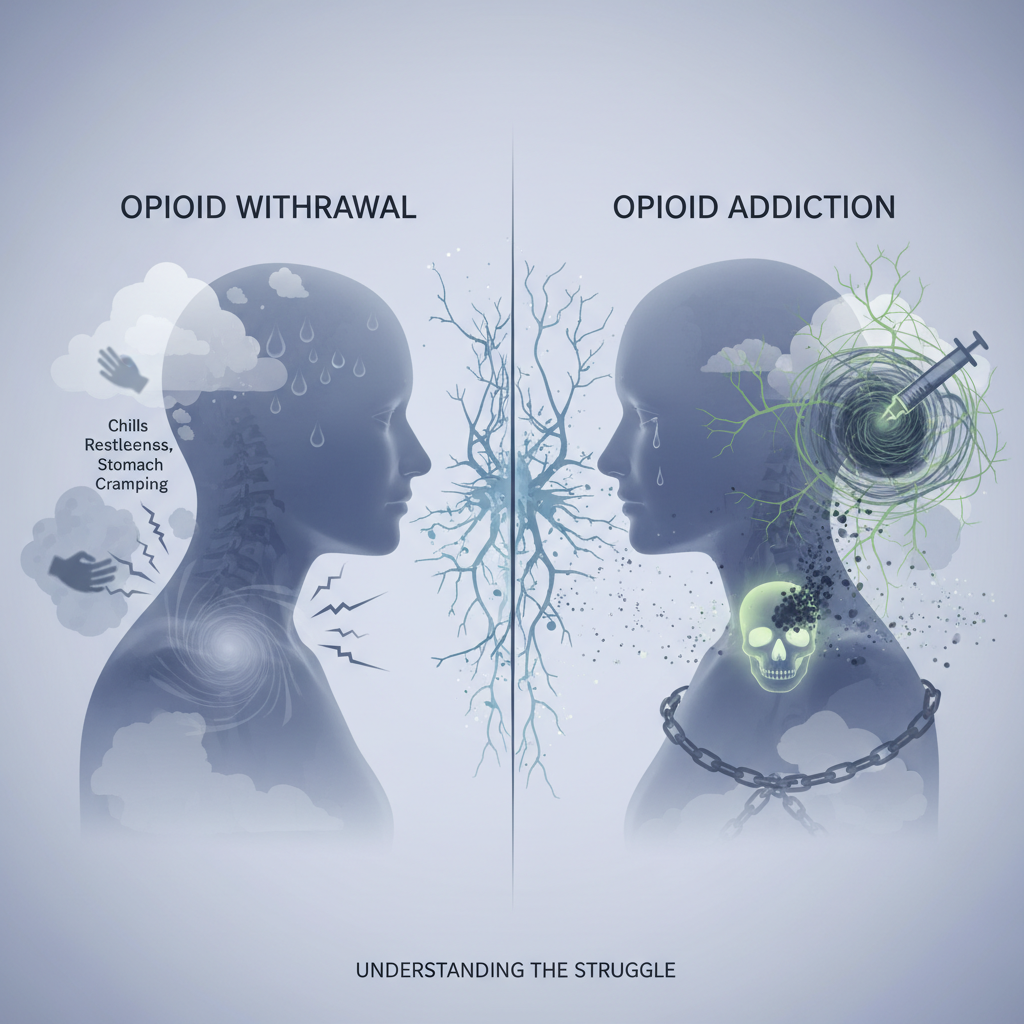
Addiction can happen to anyone. Whether it starts from curiosity, peer pressure, or a prescription for pain management, substance use can spiral out of control surprisingly fast. We never thought we’d be the ones facing drug dependency. The stigma and guilt often associated with addiction also took a toll on our mental well-being, making us hesitant to seek help. Yet pushing our problems underground only magnified them.
According to the Agency for Healthcare Research and Quality [1], over 100,000 overdose deaths were recorded in 2023. A significant portion involved synthetic opioids like fentanyl. On top of that, 48.5 million Americans had a substance use disorder in 2023, a figure that has climbed 17% since 2020. While these statistics offer a sobering look at how widespread addiction is, they also show we’re not alone. For us, knowing that millions of others face similar struggles helped lessen our feelings of shame.
Addiction is, in many ways, a chronic disease. It demands consistent care and proper treatment, similar to how conditions such as diabetes or high blood pressure require ongoing management. If you’re feeling overwhelmed by addiction and wondering how to navigate local support systems, we completely understand. It was only when we started exploring professional guidance that we realized how many avenues exist to help people break free from harmful substances.
Discover MAT solutions
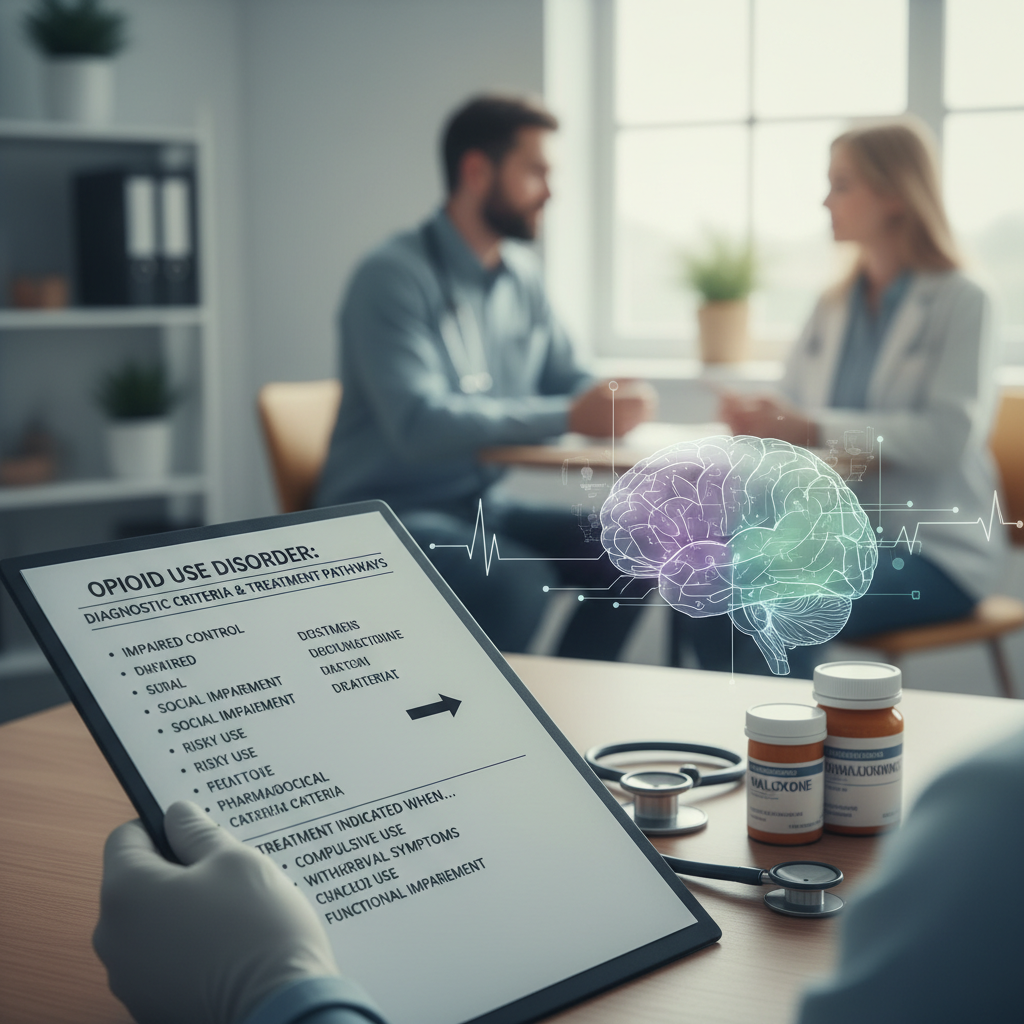
Medication-Assisted Treatment can feel like a complex subject at first. We remember reading about buprenorphine and naloxone (often combined under the brand name Suboxone), methadone, and naltrexone. Each medication has specific benefits, side effects, and usage guidelines. But one constant remained clear: pairing medication with counseling and structured support groups improves outcomes. This holistic approach addresses both the physical and emotional aspects of addiction.
Community programs, such as those detailed by SAMHSA [2], serve a crucial role too. Whether it’s an in-person group, an online gathering, or specialized sessions, these programs allow us to connect with others who truly grasp what we’re experiencing. Early on, we joined local support meetings right here in Salisbury. At first, we were nervous admitting our challenges in front of strangers. Over time, though, these groups became a lifeline of empathy and advice.
Everything changed once we discovered Carolina Energetics. Their approach combined Medication-Assisted Treatment with behavioral therapies, making us feel supported in a whole-person way. We had found a place where clinical expertise merged with genuine empathy. MAT doesn’t numb or mask our situation, but rather helps us manage cravings and withdrawal symptoms so we can focus on rebuilding our lives. When integrated with therapy, MAT becomes a powerful method for regaining self-confidence and preventing relapse.
Choose Carolina Energetics
Selecting the right clinic or program can feel overwhelming. We weighed every consideration: location, quality of care, insurance acceptance, staff demeanor, and overall reputation. Carolina Energetics checked our boxes from the start. We noticed their team valued open communication and made sure we understood every step of the process. They discussed medication options, potential side effects, and the broad scope of counseling beyond just our immediate opioid dependence.
One practical advantage is the range of therapy options under one roof. We had access to individual therapy opioid addiction sessions that offered direct, personalized attention. For us, this meant addressing the root causes of our substance use. Carolina Energetics also connected us to group therapy for opioid treatment where we could share experiences with others who understand how cravings feel and what it takes to reach recovery milestones. They created a safe, respectful, and non-judgmental environment that allowed us to speak honestly.
Another significant perk was how seamlessly the center integrated harm reduction strategies with long-term aftercare support. While some approaches to treatment focus exclusively on complete abstinence as the only measure of success, Carolina Energetics recognized that healing isn’t always a straight line. We felt okay about stumbling because the staff viewed relapses or setbacks not as personal failures, but as signals to reassess our treatment plan and make necessary adjustments.
Value local Salisbury counseling
At first, we assumed Salisbury was just a small community without specialized resources. We were pleasantly surprised to find that counseling and MAT programs here are actually robust. Substance abuse counseling in Salisbury engages a variety of methods, including one-on-one sessions, family therapy, peer support, and telemedicine. When we realized we didn’t have to drive miles away or relocate for good care, relief flooded in. Being able to stay near our family, our job, and friends actually strengthened our focus and motivation.
According to research from organizations like Psychology Today [3], local counseling services in smaller towns play an important role in bridging the gap to specialized help. That local presence eliminates many barriers like transportation costs and awkward scheduling conflicts. Dealing with addiction can feel isolating, so having easy access to counselors and community meetings kept us from feeling alone.
In our view, combining the expertise of Carolina Energetics with accessible Salisbury-based counseling has been an ideal recipe. If we have urgent questions or concerns, we can schedule a quick session without uprooting our daily routine. The flexibility to manage treatment responsibilities alongside work and family commitments is invaluable. When it comes to convenience and consistent follow-up, there’s really no comparison.
Support your loved ones
Addiction affects entire families, not just those directly living with substance use. Our families felt uncertain, distressed, even angry at times. Therapy taught us to see their experiences more clearly, and it also provided practical strategies for mending relationships. We involved our close relatives in some sessions, letting them ask hard questions. Through supportive dialogues, we all realized how crucial it is for loved ones to gain awareness of the disease model of addiction.
When families participate in counseling, everyone learns problem-solving methods and communication tools to reduce misunderstandings. For instance, a family might learn boundaries and coping techniques that de-escalate arguments. Even siblings or close friends can benefit from understanding triggers and relapse warning signs. It’s one reason family therapy is integral, ensuring the burden doesn’t rest solely on our shoulders. Instead, everyone in our inner circle can help prevent relapse before it gains momentum.
We found group-based programs like peer support group opioid incredibly uplifting. Talking openly in a group environment often eased tensions that built up at home. Our relatives could see they weren’t alone. They met other families facing similar challenges and realized healing includes both the individual in recovery and everyone who loves them.
Use essential therapy methods
Along with medication, therapy shapes a large part of our success story. We explored multiple approaches under the guidance of professional counselors. Each modality offered a different way to tackle cravings, negative thought patterns, and deep-seated emotional pain. Some of the methods we tried included:
- Cognitive-Behavioral Therapy (CBT). In cbt for opioid addiction sessions, we learned how our thoughts influence our actions. Identifying distorted beliefs helped us replace them with healthier ones. This type of therapy taught us how to prevent triggers from escalating into full-blown relapses.
- Dialectical Behavior Therapy (DBT). During dbt for opioid addiction, we practiced emotional regulation and distress tolerance skills. DBT tasks you with taking a step back from overwhelming feelings, something we desperately needed in early recovery. This therapy also encourages building supportive relationships and dealing calmly with conflict.
- Motivational Interviewing. Through motivational interviewing therapy, we focused on our personal reasons for change. Instead of being told what to do, we explored values and desires. As we took ownership of our recovery, maintaining sobriety felt empowering.
- Family Therapy. Bringing everyone together in family treatment sessions illuminated hidden tensions and resentments that contributed to our struggles. We learned new communication strategies and ways to rebuild trust.
- Experiential Therapy. Activities like role-playing and guided imagery helped us process painful emotions in ways traditional talk therapy didn’t. By engaging in real-life simulations, we tackled issues of shame, anger, or fear that were fueling our addiction.
All these methods fit different personalities and situations. We didn’t need them all at once, but we certainly tried multiple techniques to see what resonated. With professional oversight, we built a toolkit of coping skills that continues to help us handle life’s inevitable curveballs.
Embrace practical benefits
When we look back, we see how much our entire outlook changed once we brought MAT and therapy together. Instead of waking up every morning worried about craving cycles, we had mental space to work, care for family, and enjoy small pleasures like cooking or hobbies. By focusing on overall wellness, we gradually reclaimed our sense of self-worth, which had withered away during active addiction.
We also benefited from supportive telemedicine options like telemedicine counseling sessions. These sessions allowed us to keep our routine, sidestepping unnecessary travel. It was especially helpful on days when driving to a physical session felt daunting. Plus, telemedicine made it easier to invite family members to join from different locations. This adaptability kept us consistent, even when life got busy.
Through Carolina Energetics, we discovered safe medical guidance for medication, thorough counseling, and open discussions about relapse prevention. We were introduced to opioid relapse prevention therapy, which equipped us with a plan to handle triggers. If stressful events popped up unexpectedly, we had a blueprint for managing cravings and reaching out for help early, rather than waiting until a crisis exploded.
Clear up MAT misunderstandings
Some people worry Medication-Assisted Treatment just replaces one drug with another. We shared that misconception originally. In reality, MAT helps normalize brain chemistry altered by addiction. By reducing severe withdrawal symptoms and sky-high cravings, medication alleviates the constant internal battle that can sap your will to live a healthy life. To clarify, MAT medications do not create the euphoric effects of other opioids, so they’re less likely to foster a new dependence.
Others question whether MAT is truly effective. According to the Agency for Healthcare Research and Quality [1], medications for opioid use disorder have been proven to cut overdose fatalities by up to half and improve patient engagement in treatment. That’s an enormous breakthrough when so many individuals struggle to remain in conventional therapy. We felt drastically more stable while using MAT, because the intense physical cravings loosened their grip.
We also learned that MAT works best when combined with ongoing support. Our doctors, therapists, and local Salisbury counselors formed a network of care. Rather than feeling stranded after the initial detox phase, we received continuous guidance. Our team helped us handle setbacks, celebrate accomplishments, and fine-tune our medication or therapy plan if things changed.
Wrap up our insights
During our pursuit of substance abuse counseling in Salisbury, we discovered that success is often the sum of many small steps forward. Carolina Energetics gave us specialized medical and emotional guidance, while local counseling services helped keep us rooted in our community and among supportive peers. By embracing MAT, therapy, and the unwavering encouragement of family, we came through a chapter that once felt hopeless.
We’re proud of how far we’ve come, yet we remain aware that recovery takes continual vigilance. Every day presents opportunities to apply the coping techniques we’ve learned. Substance abuse disorder doesn’t vanish overnight, but with the right combination of medication, reliable counseling, and a compassionate environment, it no longer has to define us. If you or someone you love is feeling trapped by opioid addiction, we urge you to consider reaching out to Carolina Energetics or any local Salisbury counselor who specializes in MAT approaches.
Frequently asked questions
Is MAT just swapping one addiction for another?
Short answer: No. Medication-Assisted Treatment relies on medications like Suboxone, which alleviate cravings without creating the same euphoric effects as illicit opioids. We noticed that MAT freed up our minds to focus on therapy, daily life, and healthy coping methods, rather than maintaining a harmful cycle.
Do we need to stay on MAT forever?
Not necessarily. MAT is often a longer-term treatment, but the specific duration varies. Some individuals use medication for a few months, while others continue for years. We found it helpful to consult with doctors who regularly re-evaluated our treatment to determine the best time to taper off.
How does counseling fit in with MAT?
Counseling is essential. While medication can stabilize chemical imbalances, therapy addresses underlying habits and emotions. For us, sessions like motivational interviewing therapy or dbt for opioid addiction dug into the root causes of our drug use. The combination truly accelerates recovery.
Can my family join my treatment sessions?
Yes. Family involvement can be incredibly beneficial. Our loved ones joined supportive therapy sessions that strengthened our home environment. When everyone understands the nature of addiction and learns communication strategies, it becomes easier to prevent and manage relapses.
Does insurance typically cover substance abuse counseling in Salisbury?
It depends on your provider and your plan, but many insurance companies do cover MAT and counseling. We suggest contacting Carolina Energetics or local Salisbury services directly to confirm coverage details. We also advise checking your policy’s mental health provisions for specifics on co-pays and deductibles.
We’ve shared our experiences to show what recovery can look like when medication, therapy, and a supportive community combine. If you’re struggling with drug dependence, or you know someone who is, we hope this post offers a gentle nudge to explore Carolina Energetics and Salisbury counseling services. Remember, it’s possible to regain stability. We did, and we believe anyone can take that first step toward a healthier future. You’re not alone. Let’s keep moving forward together.