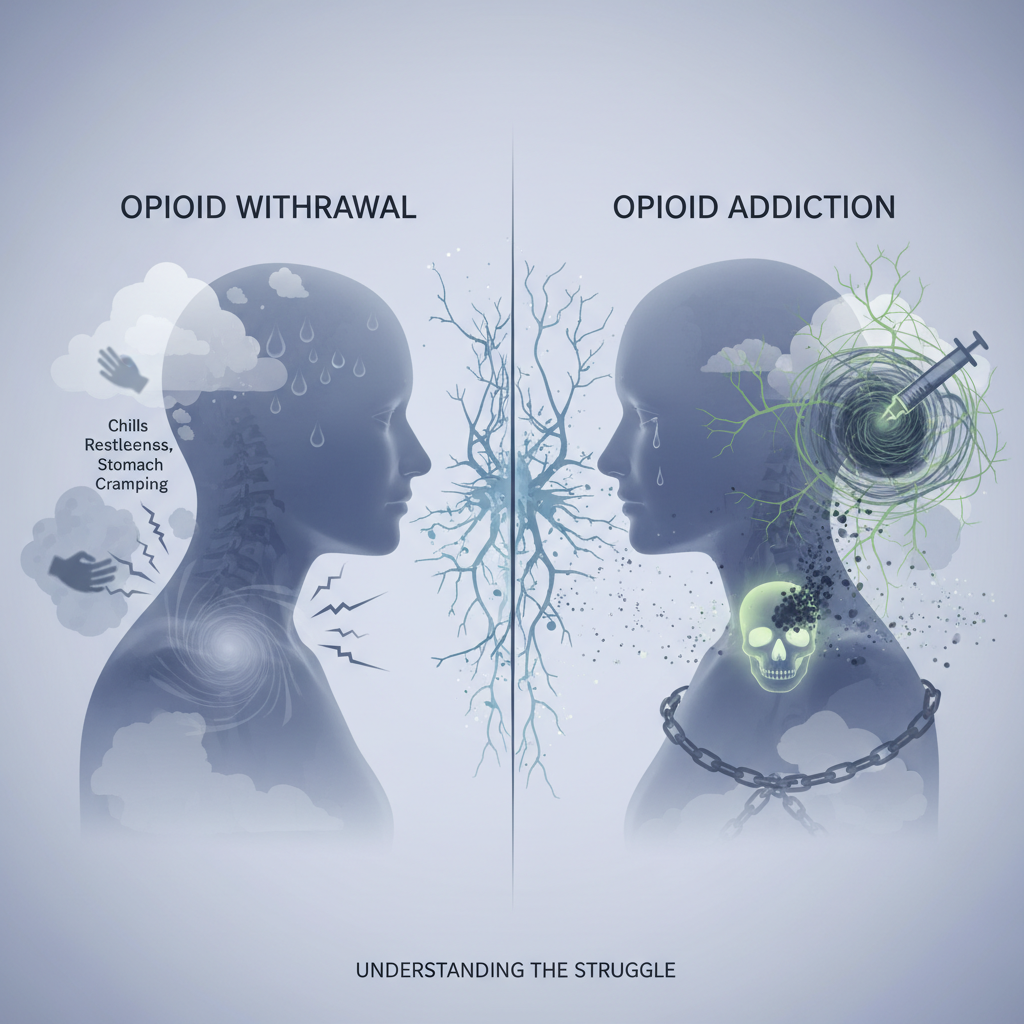

If you or someone you care about has been exploring treatment options for drug or opioid addiction, you might already know the importance of kindness and empathy in the healing process. We believe that compassionate psychiatric therapy is a key element in making everyone feel supported and understood. At Carolina Energetics, our goal is to provide Medication-Assisted Treatment (MAT) paired with a caring, person-first approach. We know that opioid addiction can feel overwhelming, but there is real hope when therapy, community, and medical interventions work hand in hand.
We’ve seen how judgment-free support can help individuals open up about their struggles with substance use. By combining medication with thoughtful counseling strategies, we aim to address addiction from multiple angles. Over the years, we’ve refined our methods by studying the latest research and listening closely to those who trust us with their care. One of our cornerstones is an approach that places compassion at the center of every interaction, based on evidence showing that kindness helps reduce self-criticism and fosters a path toward lasting recovery.
Keep reading to learn more about why compassionate psychiatric therapy matters in the fight against opioid addiction. We’ll share insights on how it works, why we embrace it, and how we apply it in our own practice at Carolina Energetics. By the end, we hope you’ll see that a gentle, encouraging environment can play a vital role in helping you or your loved one regain control and move forward confidently.
Discover therapy’s healing power
One of the biggest hurdles in addiction treatment is getting people comfortable enough to talk openly about their difficulties. A supportive, non-judgmental environment eases that load. When we meet individuals seeking help, we often hear, “I’m scared of being labeled or blamed.” Fair enough. Stigma can run deep and add more weight to an already heavy burden. That’s where a warm, encouraging style of psychotherapy helps us build trust and break those barriers.
The importance of feeling safe
Many people feel their emotions are “too much” to handle or worry they’ll be judged for past mistakes. A compassionate atmosphere is a bit like a soft landing pad. Instead of feeling you have to defend yourself, you’re welcomed in with understanding. Studies suggest that this sense of security can foster real change in therapy, reducing anxiety symptoms, curbing self-criticism, and boosting self-esteem [1]. This foundation encourages openness, an essential step for exploring the underlying reasons behind addiction.
How compassion aids symptom relief
In addiction treatment, we delve into issues like trauma, shame, fear, and various triggers. Compassion-focused methods highlight warmth, patience, and empathy. Think of it as gently redirecting self-blame toward self-acceptance. Research shows that Compassion-Focused Therapy (CFT) has the potential to help individuals cope with destructive thoughts, depression, anxiety, or low self-worth [2]. By learning inward kindness, our patients often find strength to overcome challenges that once seemed insurmountable.
Value of compassionate care
Empathy-driven counseling can reshape how people approach recovery. At Carolina Energetics, we see treatment as more than reducing withdrawal symptoms. Our mission is to address the root causes of the addictive cycle and shine a light on healthier coping mechanisms.
Focusing on self-criticism
Self-criticism can be a major barrier to progress. It’s not uncommon for someone to think, “I can’t believe I let this happen. I don’t deserve help.” That’s where compassion-based therapy steps in. According to a systematic review, self-criticism is often a predictor of how individuals respond to treatment, making therapies like CFT especially valuable if self-blame plays a role [1]. Instead of dwelling on what went wrong, we guide people to shift toward gentle self-reflection and positive motivation.
Reducing stigma and shame
Stigma can discourage help-seeking. Having a safe environment, where empathy and understanding prevail, changes the narrative. For instance, the fear of compassion—worrying that being kind to yourself is self-indulgent—may hold some people back. But repeated practice in self-kindness can create new emotional habits that support resilience. When patients see that feeling cared for isn’t a weakness, they can begin re-framing their entire sense of self-worth.
Building resilience with kindness
A big element of compassionate psychiatric therapy involves training ourselves to respond with kindness in moments of stress. Techniques might include compassionate letter-writing, imagery exercises, or mindfulness-based strategies. These approaches lighten the burden on our threat response system, letting us focus on practical steps for healing. Over time, day-to-day difficulties feel more manageable, and the lure of a substance to numb the pain grows weaker.
Why we embrace a holistic approach
Medication-Assisted Treatment, often involving Suboxone, can be essential for breaking the cycle of opioid addiction. However, we believe that medication alone rarely addresses everything. That’s why we integrate counseling, education, and support groups into our treatment plans. By tackling emotional, mental, and social factors, we aim to strengthen each person’s resolve and overall well-being.
Balancing medication with therapy
Opioid use often has layers—biological dependence, psychological triggers, and social stressors. MAT might stabilize physical symptoms, but therapy is what helps individuals address the root behaviors and beliefs driving their actions. We provide individual therapy for opioid addiction to deepen insight into personal triggers, while also offering group therapy for opioid treatment so peers can share experiences and learn from one another.
The role of mindfulness and psychoeducation
Mindfulness-based approaches teach clients to stay present. This sense of presence helps them notice cravings, negative thoughts, or emotional triggers before they spiral. Paired with psychoeducation at our opioid clinic, patients gain the knowledge to make informed decisions and develop coping strategies. In fact, mindfulness exercises often go hand in hand with compassion practices, creating a balanced environment for self-awareness and self-kindness.
Creating a united front
Recovery doesn’t happen in a vacuum. Family, friends, and community can all play supportive roles. By involving loved ones, we help build a united front that addresses addiction from all angles. Many find success in our programs when they feel they have an entire team—medical professionals, therapists, loved ones—rallying behind them. This synergy can reinforce new behaviors and serve as an encouraging reminder that no one has to face addiction alone.
Key strategies for nurturing compassion
You might wonder, “How do you actually build compassion?” Like any skill, it takes practice. Our clinicians use specific tools that can foster bigger and better empathy, for both oneself and others. Below are some proven methods that guide our work.
1. Compassionate mind training
Compassionate mind training helps people become aware of their threat-based responses—anxiety, hypervigilance, or self-attack—and replace them with soothing, supportive thoughts. Over time, harsh self-judgments lose their grip, and more balanced perspectives develop. In one 12-week group session led by psychologist Paul Gilbert, participants who engaged in compassionate mind training exhibited lower depression and anxiety levels, as well as higher self-compassion [2].
2. Mindful self-compassion exercises
When stress hits, our reactions can be knee-jerk—and those reactions sometimes lead to relapse. Mindful self-compassion teaches us to pause, breathe, and respond from a place of acceptance rather than panic. Research shows these techniques can significantly reduce stress, burnout, and emotional exhaustion [3]. We often recommend a mindfulness counseling program for individuals who want to incorporate grounding exercises into daily life.
3. Expressive writing and journaling
Simply putting your thoughts to paper can be a powerful release. Compassionate journaling encourages individuals to detail their struggles without fear of reproach. It can include writing supportive letters to oneself—affirming that setbacks happen and that one is worthy of care. This exercise teaches individuals to respond with understanding instead of harsh criticism.
4. Guided imagery and relaxation
Visualizing soothing images can reduce tension and bring calm. Therapists might walk you through scenarios designed to evoke warmth and reassurance—like imagining a mentor figure or a safe room. This method helps dial down our body’s threat response. Slowly but surely, the mind grows more accustomed to feelings of security, making stressful situations less overwhelming when they arise.
5. Building a support network
Although self-compassion begins within, external support matters too. We often connect clients with local or online support groups where they can practice empathy together. For example, our peer support group for opioid issues fosters camaraderie and mutual learning. Remember, compassion flows in three directions: toward yourself, toward others, and from others back to you.
How Carolina Energetics supports recovery
We’ve talked a lot about theory, but how do we bring it to life every day? Our unwavering commitment is to treat every individual with the respect and compassion they deserve. By combining medication, therapy, and resources, we strive to make sure no one feels overlooked or unimportant.
Our MAT services at a glance
- Medication options: Suboxone is often used in MAT to help reduce cravings and manage withdrawal.
- Counseling framework: From supportive therapy sessions to motivational interviewing therapy, we tailor sessions to each individual’s needs.
- Extended care: Our opioid relapse prevention therapy sessions, coupled with opioid aftercare planning, help you maintain recovery over the long haul.
Medication-Assisted Treatment can stabilize physical dependence, but lasting transformation often requires working through the emotional hurdles that fuel negative patterns. That’s exactly where compassionate psychiatric therapy comes in.
Customized therapy approaches
Everyone’s journey is unique. For some, individual therapy for opioid addiction is the best route to address deeply personal issues. Others benefit from the camaraderie of group therapy for opioid treatment. We also offer the option of telemedicine counseling sessions, so even if life gets hectic, care remains accessible.
Because we recognize different learning styles and preferences, we employ:
- Cognitive Behavioral Therapy (CBT): Helps identify and reframe negative thought patterns.
- DBT for opioid addiction: Emphasizes emotion regulation and interpersonal skills.
- Contingency management therapy: Offers motivational incentives for staying on track.
And throughout all of our methods, compassion remains the bedrock.
Creating a safe space
Approaching therapy can be daunting. We work hard to maintain a non-judgmental counseling environment where it’s okay to arrive with doubts or fears. There’s no pressure to share more than you’re ready for. Our clinicians respect boundaries, moving at a pace that feels doable. We’ve found that respect for individual comfort is essential to building genuine trust and promoting better outcomes.
Ongoing support and resources
Our relationship with each client extends beyond formal sessions. Whether it’s referring to community programs like community opioid support services or providing reading materials through our opioid addiction recovery blog resource, we want people to feel backed up at every step. If daily responsibilities or conditions prevent an in-person visit, we can arrange phone check-ins or schedule another telemedicine counseling session.
Because addiction is complex, we keep an eye on physical health, mental health, and social influences. We can do psychiatric assessments at our opioid clinic and adjust treatment plans if needs shift. We believe that’s what comprehensive care looks like—staying attuned to the multidimensional nature of recovery.
Frequently asked questions
-
What is compassionate psychiatric therapy, and how is it different from regular therapy?
Compassionate psychiatric therapy places empathy, understanding, and kindness at the core of every session. It differs from regular therapy by emphasizing self-compassion, reducing self-criticism, and helping clients approach their difficulties with greater warmth. This approach works particularly well for those dealing with intense shame or self-blame, both of which frequently occur in substance use disorders. -
How does Medication-Assisted Treatment fit into compassionate therapy?
MAT helps stabilize physical dependence and reduce cravings, enabling people to focus on the emotional and psychological work. By combining MAT with an empathetic therapeutic framework, individuals have a better chance of sustaining recovery. We believe living free from opioids means not just eliminating substances, but also developing a healthier mindset rooted in self-acceptance. -
Is this type of therapy suitable for everyone?
While we’ve seen broad benefits, each person’s needs are unique. People high in self-criticism may respond especially well to CFT-based approaches, but we tailor each plan. If a different method suits you better—like CBT or motivational interviewing—we will adjust accordingly. Our clinical teams will recommend what aligns most closely with your situation. -
What if I’m afraid of being judged or labeled?
We understand that fear, and we work hard to ensure a safe opioid treatment environment. Our approach is grounded in empathy, so we prioritize patience and acceptance. Therapy sessions are confidential, and we maintain a non-judgmental counseling environment where you can share fears or doubts without shame. -
How can loved ones support someone in therapy?
Loved ones can play a significant role by providing positive reinforcement, patience, and emotional availability. Checking in regularly and attending family or group sessions (if appropriate) fosters unity. We also encourage exploring resources, like community opioid support services, to learn the best ways to provide ongoing support.
Moving forward together
The journey from opioid dependence to a life of stability and self-compassion involves more than simply tapering off a drug. It requires a mindset shift—away from blame, fear, and isolation, and toward acceptance, understanding, and a sense of belonging. We want each of our clients to discover that lasting recovery is possible when emotional well-being, social connections, and medical treatment all work together.
At Carolina Energetics, we see compassionate psychiatric therapy as an essential piece of that puzzle. By helping clients address the root causes of their addiction, we give them a foundation for genuine growth. Yes, substance cravings and withdrawal challenges must be managed, but it’s that spark of self-kindness and empowerment that helps people close the door on destructive cycles.
If you or someone you care about is looking for an environment that values empathy as much as expertise, we’re here. We invite you to take that first step toward building a healthier, more hopeful future. Together, we can help create a new story—one shaped by resilience, supported by proven methods, and guided by compassion every step of the way. And that, we believe, is the path to real healing.
References
- (PMC)
- (Verywell Mind)
- (NCBI)