
If you or a loved one is searching for a continuing care opioid clinic to navigate the complex journey of drug or opioid addiction recovery, you’re not alone. We understand how confusing and overwhelming it can feel to find the right support. At Carolina Energetics, our team is here to walk with you, hand in hand, to transform an intimidating process into a manageable, empowering path.
We’ve dedicated ourselves to providing Medication-Assisted Treatment (MAT) services for individuals struggling with substance use disorders. Our approach goes beyond quick-fix solutions to deeply focus on long-term, sustainable health. In other words, we don’t just want to help you manage your cravings or reduce acute withdrawal. We want to equip you with tools that cultivate a healthier, more hopeful future. Below, we’ll explore the many facets of our clinic, how we structure continuing care, and why we believe in combining medical expertise, empathic support, and consistent follow-ups for genuine lifelong benefits.
Discover the importance of ongoing support
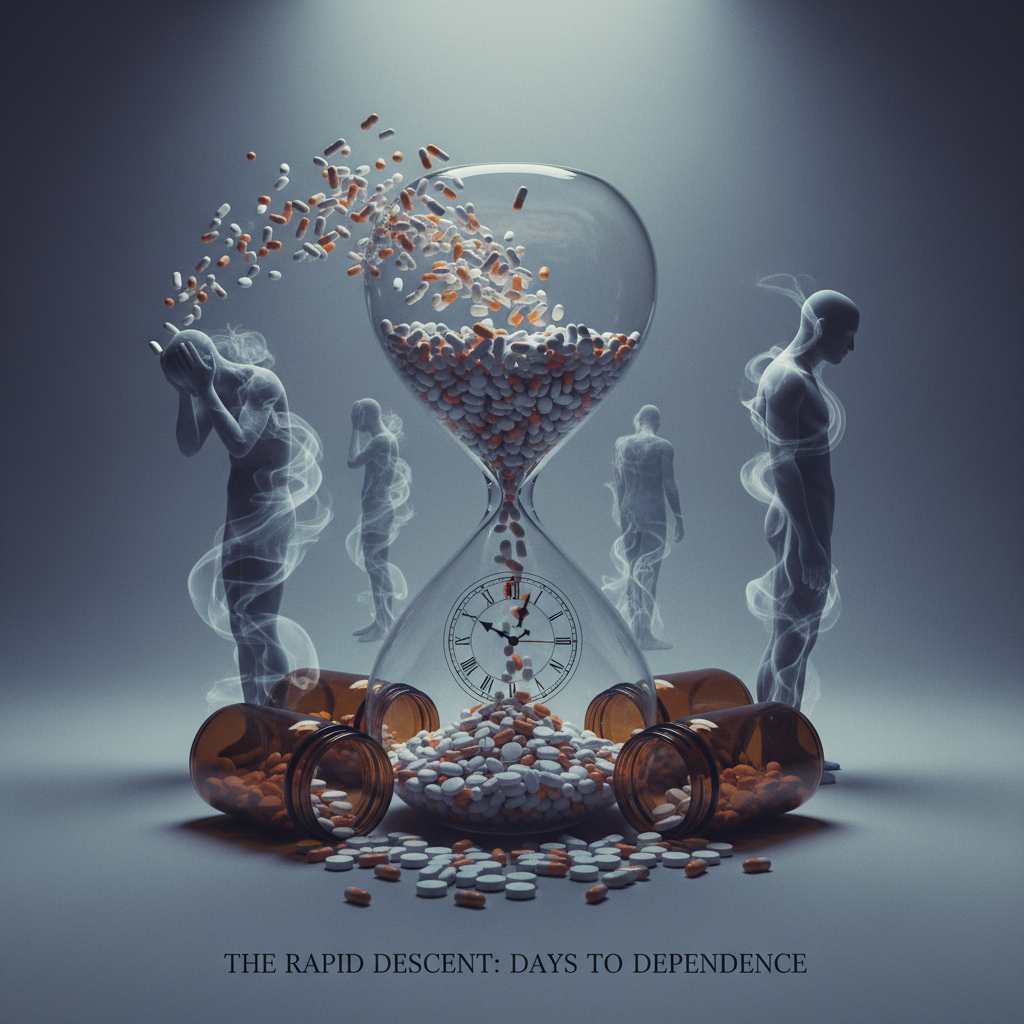
We can’t overstate the power of ongoing support in addiction treatment. While that initial push to seek help is crucial, real success often happens when day-to-day actions align with your bigger goals. An eye-opening study by the CDC noted that a one-day opioid prescription carries a 6% chance of continued use at one year, but a prescription that extends for a month increases this risk to 30% [1]. This finding underscores how quickly short-term use can turn into long-term dependence. That’s why we focus so much on continuing care—you need consistent guidance and a plan that supports you “after the storm.”
Why long-term care matters
- Relapse prevention: Having appointments and regular check-ins helps catch early warning signs of relapse.
- Emotional scaffolding: Recovery can feel like a vast climb. Ongoing support keeps you from feeling alone and isolated when cravings or triggers sneak up.
- Personalized updates: Your treatment plan might evolve as you progress. Regular evaluations ensure your care stays relevant to shifting physical, emotional, or social needs.
- Accountability: Consistency, whether that’s meeting with a counselor, attending group therapy for opioid treatment, or participating in checkups, builds a sense of accountability that fosters perseverance.
Explore our MAT philosophy
Medication-Assisted Treatment (MAT) combines approved medications—like buprenorphine or methadone—with counseling and behavioral therapies. Studies have shown that MAT significantly improves a patient’s ability to remain in treatment while reducing illicit opioid use compared to non-MAT approaches [2]. At Carolina Energetics, we recognize that each person’s situation is unique. That’s why we design each MAT program to adapt to your baseline, your lifestyle, and your specific health concerns.
The medications we trust
- Buprenorphine: Known for mitigating withdrawal symptoms and cravings, it also offers little to no euphoric effect, lowering the risk of misuse.
- Methadone: A targeted medication often preferred for opioid replacement or maintenance therapy. Some individuals respond more effectively to methadone, especially if they have a long history of opioid dependence.
We follow all necessary federal regulations, especially considering the many complexities around prescribing methadone during hospitalization or in Skilled Nursing Facilities [3]. Our priority is to ensure you receive the right medication in a legal, safe, and consistent manner. We understand that some facilities may shy away from patients on methadone due to misinterpretation of regulations, but we actively advocate for clarity and access to all appropriate treatment options.
Embrace a range of treatment options
Ongoing recovery isn’t just about medication. It’s also about counseling, empowerment, and feeling supported in every aspect of life. That’s where our individualized therapy and group support come in. We believe in creating a manageable roadmap so you can gradually move from structured therapy into a life that doesn’t revolve around opioids.
Individual and group experiences
- Individual therapy: For a personalized setting, we might suggest individual therapy opioid addiction sessions, where you can explore any emotional ties to substance use.
- Group sessions: Group therapy for opioid treatment fosters connection. When you hear stories from others walking a similar walk, you realize you’re not alone.
Additionally, we look for ways to accommodate real-life schedules. For instance, telemedicine counseling sessions make it possible to stay on top of your recovery plan if you have a tight work schedule, childcare constraints, or limited transportation.
Diversified approaches
We weave different therapeutic models into your journey, from motivational interviewing therapy that helps you solidify your readiness for change, to cbt for opioid addiction and dbt for opioid addiction, proven to manage triggers and reframe negative thinking. In our experience, blending these approaches allows us to target not just the symptoms of opioid dependence but also the root causes that may contribute to any reoccurring cycle of use.
Address stigma with empathy
We know how harmful stigma can be. It often morphs into shame or a sense of personal failure. In reality, opioid use disorder is a chronic medical condition—requiring consistent treatment, much like diabetes or high blood pressure. Research shows that stigma impedes care, discourages patients from seeking help, and can worsen outcomes.
At our continuing care opioid clinic, we engage each patient with empathy and compassion. We never want you to feel like you have to hide your struggles. We believe that each day is a fresh chance to choose hope over isolation.
Creating a safe atmosphere
- Non-judgmental environment: Our non judgmental counseling environment fosters trust.
- Language of respect: We avoid terms that inadvertently shame or label you.
- Team-based approach: We collaborate with you, ensuring that your voice is central to every decision.
Build a safe environment
Safety isn’t just about locking doors. It’s about emotional safety, psychological safety, and consistent protection from unnecessary triggers. According to certain data, more than 1 in 4 participants in a substance use disorder study ended up in Skilled Nursing Facilities after hospitalization, often facing challenges with pain management and opioid use disorders [3]. We strive to prevent those abrupt transitions where you might feel tossed between services without a stable plan.
Keeping the clinic welcoming
- Comfortable setting: We maintain a safe opioid treatment environment where you can discuss all your concerns, no matter how big or small.
- Privacy: Your privacy matters. We offer confidential check-ins, therapy sessions, and follow-ups that respect your individuality.
- Continuity: If you also need opioid aftercare planning, we’ll coordinate with the appropriate community or medical professionals to ensure you’re covered from A to Z.
Integrate customized counseling
Many individuals arrive at our clinic carrying the weight of chronic pain, mental health concerns, or complex social challenges. Nationwide data from the CDC reveal that chronic pain impacts about one in five U.S. adults and can limit daily activities for one in 14 adults [4]. Untreated pain or mental health issues can be a major stumbling block when working to stay off opioids.
Addressing mental health
- Dual-diagnosis approach: We work closely with a range of supportive therapies, including anxiety management therapy or depression management therapy to tackle co-occurring mood challenges.
- Holistic solutions: Our mindfulness counseling program and holistic recovery support services encourage you to heal in both mind and body.
Finding the right mix
- Therapy synergy: Some people benefit most from contingency management therapy, while others gravitate toward evidence based addiction therapy.
- Ongoing reevaluation: Treatment needs can shift over time. Our psychiatric assessment opioid clinic helps continually refine your care plan so it keeps pace with your progress.
Stay connected beyond treatment
Recovery isn’t just about what happens here at the clinic. We encourage ongoing engagement with your local community, trusted peers, and mentors. Experts recommend that individuals remain in some form of organized treatment or aftercare for at least 90 days to strengthen long-term outcomes [5]. Longer stays—if needed—often yield better results, especially for those with multiple relapses or complex health profiles.
Helpful resources
- Peer support: We frequently connect clients with a peer support group opioid, because meeting others who’ve walked a similar path boosts resilience.
- Community outreach: Our opioid outreach clinical team stays actively involved in local programs to promote prevention and early intervention in opioid misuse.
- Education: Regular educational sessions, such as our opioid recovery education sessions, help you stay informed about best practices and new developments in treatment.
Address unique patient needs
We recognize that you may face barriers—transportation, finances, family obligations—that make it tough to access or maintain consistent treatment. One in five Americans knows someone who has died due to opioid-related causes [1], so we see daily how urgent these needs can be. Our aim at Carolina Energetics is to reduce those barriers as much as we can.
How we adapt
- Accessible appointments: Our accessible opioid care clinic prioritizes evening or weekend visits to accommodate busy schedules.
- Telemedicine: If you can’t make it in person, telemedicine counseling sessions remain a flexible choice.
- Sliding scale: We collaborate with patients on financial plans so cost doesn’t stand between you and critical care.
Aligning with policy changes
Changes like the Mainstreaming Addiction Treatment (MAT) Act have eased the prior restrictions on buprenorphine [2]. As prescribing guidelines adapt, we quickly integrate these updates to expand service availability. That means more medical professionals can now prescribe buprenorphine, so we’ll make every effort to coordinate effectively and align your care with the updated regulations.
Why choose Carolina Energetics
By now, you’ve probably gathered that we believe in a thorough, holistic, and empathic approach to opioid dependence. But why pick us over another continuing care opioid clinic?
- Focus on individualized care: We don’t do one-size-fits-all. Our staff invests the time to understand your story.
- Team of experts: Addiction specialists, mental health professionals, and a caring administrative crew work side by side for seamless support.
- Caring environment: Warmth and acceptance define our entire approach, from the greeting at our front desk to the final check-in.
- Comprehensive therapy: Access everything you need—including psychoeducation opioid clinic resources, therapy, medical evaluations, and ongoing check-ups—at one location.
Our collaborative mindset
- Patient-led goals: You set the pace and priorities, and we guide with expert recommendations.
- Community synergy: Whether you need a referral for substance abuse counseling salisbury or advanced mental health support, we have local connections to make that happen.
- Advocacy: Our opioid policy advocacy resources underscore our commitment to champion the needs of those fighting addiction at a broader public level.
Practice consistent relapse prevention
Relapse is a part of many people’s journey, but it doesn’t have to derail you permanently. We take a proactive stance, helping you spot high-risk situations—like heightened stress, pain flare-ups, or emotional triggers—before they escalate. According to the CDC, accelerated decreases in high-dosage opioid prescribing have occurred since 2016, yet misapplication and abrupt tapering have also caused patient harm, including severe withdrawal and psychological distress [4].
We balance safe prescribing practices with your comfort needs. Our approach to opioid relapse prevention therapy highlights communication, balancing medication dosage carefully, and preventing you from slipping into dangerous territory.
Strategies to reduce relapse
- Routine check-ins: We regularly evaluate your medication plan.
- Stress management: Encouraging techniques like mindfulness and compassionate psychiatric therapy.
- Support system: Keeping close ties with supportive therapy sessions and a robust local support network.
Encourage holistic well-being
Pain is often the main driver for opioid reliance, especially if there’s a long history of chronic discomfort. But medication alone might not be enough. We strongly recommend a comprehensive approach that includes physical therapy, mindful movement, and skill-building strategies. Non-pharmacological solutions—like exercise, acupuncture, or even yoga—can complement your MAT plan effectively. And if you can’t access in-person resources, our team can help guide you toward online or local options that fit into your lifestyle.
Balancing physical and emotional health
- Mindfulness: Activities in our mindfulness counseling program can reduce stress and pain perception.
- Lifestyle changes: Simple tweaks, such as better sleep hygiene or nutrition, can have a surprisingly positive ripple effect across your entire recovery journey.
Offer flexible scheduling
Work hours, family responsibilities, or living long distances from a clinic often hinder regular attendance in a treatment program. That’s why we’ve structured flexible scheduling and even holiday hours opioid clinic availability. We want you to stay consistent in your recovery without having to choose between treatment and real-life commitments. Even if you have to travel, our mobile-friendly telehealth setup ensures you’re never too far from help.
Checking in from anywhere
- Office hours: Our office hours opioid clinic includes early morning or extended evening availability.
- Virtual visits: If something pops up suddenly, you can switch to a digital consultation rather than skip your appointment entirely.
Expand your support network
Community plays a massive role in sustaining a healthy lifestyle post-treatment. We already mentioned our peer groups, but we also emphasize local resources, outreach programs, and online platforms. A robust recovery plan might include community opioid support services like narcotics anonymous groups or supportive living arrangements that keep success within reach.
Advantages of peer connections
- Shared stories: Hearing someone else’s challenges and triumphs can provide motivation.
- Real-time advice: You get tips and coping strategies from people who understand your specific hurdles.
- Accountability: “We’re in this together” fosters a mutual sense of responsibility and encouragement.
Prepare for aftercare transitions
Even when you complete a structured program, we encourage you to map out the next steps. This includes scheduling continued therapy sessions, medication check-ins, and regular phone calls. A 90-day Intensive Outpatient Treatment (IOT) stay is a recommended baseline, but many benefit from longer or repeated intervals of support [5]. Our philosophy is that you can’t “overdo” aftercare. Consistent engagement remains pivotal in building long-term coping strategies.
Ongoing monitoring
- Recovery checkups: Periodic calls or in-person sessions to ensure that your mental health, medication, and environment remain stable.
- Opioid outpatient monitoring: For those who need measurement of vitals or medication levels, these quick visits help keep your physical health in check.
- Support line: Our dedicated team is reachable, so you can call if you need guidance or a listening ear between scheduled appointments.
Five frequently asked questions
1. What is a continuing care opioid clinic?
A continuing care opioid clinic provides long-range support for people managing opioid dependence. It goes beyond one-time treatments or short programs. Instead, it ensures patients have access to medication check-ins, counseling, community resources, and relapse prevention tools. We set up ongoing services that adapt as you progress, focusing on holistic well-being rather than quick fixes.
2. Is MAT safe for long-term use?
Yes, in most cases, MAT is a safe and effective long-term strategy. Medications like buprenorphine and methadone help stabilize your condition, reduce cravings, and lower the risk of overdose. We carefully monitor dosages and overall progress, adjusting as needed so that you remain comfortable while also avoiding unintentional misuse.
3. Can I switch from another clinic to Carolina Energetics?
We welcome patients transitioning from different settings. Our psychiatric assessment opioid clinic helps us evaluate your current medication plan, past therapy experiences, and immediate needs. Then we suggest a smooth path forward to ensure no gaps in your care.
4. Are telemedicine counseling sessions effective in recovery?
Absolutely. Telemedicine counseling allows you to receive expert guidance from the comfort of your home. It’s especially useful if you face barriers like transportation or geographical distance. Our telemedicine counseling sessions include the same high-quality support you’d get in-person—just delivered through a secure, convenient online platform.
5. What if I need more than medication?
We believe counseling and personal support are crucial complements to medication. Our clinic provides a blended approach featuring individual therapy opioid addiction, group sessions, and additional resources like mindfulness counseling program. You’ll have a treatment plan that addresses not just your physical symptoms but also emotional, mental, and social factors.
Summing up our approach
When opioid dependence touches your life, it’s easy to feel at a loss. But you don’t have to go it alone. Through our continuing care opioid clinic, we integrate MAT with multifaceted therapy options, supportive relationships, and unwavering empathy. We rally around you with a team of dedicated professionals who understand the twists of addiction and the importance of compassionate recovery.
Carolina Energetics is more than a place for prescriptions or doctor visits. We see ourselves—and want you to see us—as an ally in your healing. By creating a personalized program grounded in evidence-based medicine, direct counseling, and real-life community support, we aim to help you meet and surpass your recovery goals.
If you’re ready to start or continue your journey, let’s take the next step together. We’re here to guide, encourage, and stand by you every day. Recovery can be challenging, but it’s absolutely possible when you have an empathetic team, robust medical resources, and a stable blueprint for moving forward. We’d be honored to become that anchor of support in your life.