
When we think about the many struggles involved in opioid addiction, one key piece of our own healing has been a peer support group opioid approach. This method connects us to people who understand our experiences firsthand, letting us share challenges and celebrate victories together. Along the way, we’ve discovered that medication-assisted treatment (MAT) at Carolina Energetics can make a tremendous difference for anyone wrestling with substance use. We want to walk you through what we’ve learned, how peer-led communities uplift us, and why combining social support with trusted professional services can truly spark hope and long-term change.
In this post, we’ll dive into why supportive communities matter so deeply, what medication-assisted treatment involves, and how Carolina Energetics aligns all these resources to help us find stability and, most importantly, genuine joy. We believe in an approach that is caring, thorough, and free of judgment. We’ve been exactly where you are, and we’d love to share how moving forward isn’t just possible, it can be life-changing.
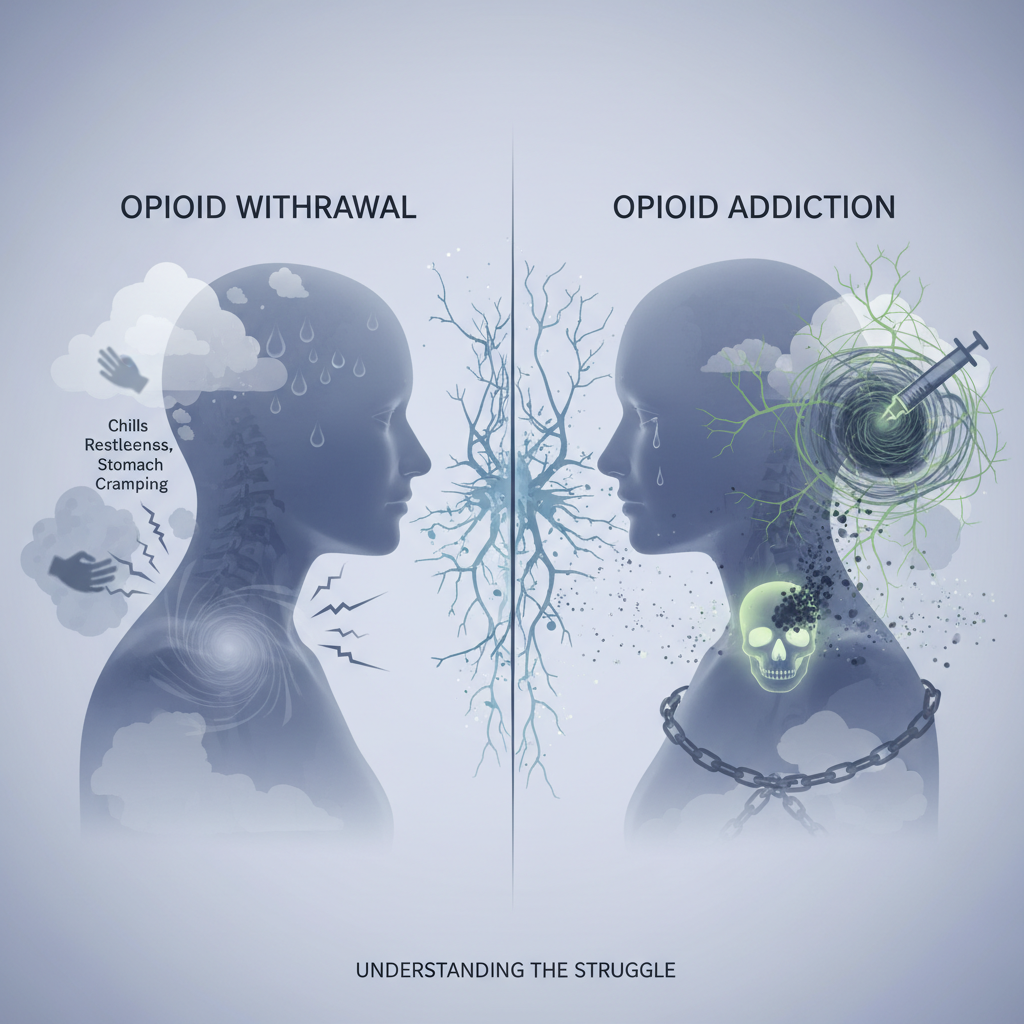
Recognize the opioid crisis
Our country has grappled with an opioid crisis for years. According to the American Psychiatric Association, nearly 110,000 Americans died from drug overdoses in 2022, with more than 81,000 involving prescription or illicit opioids. The synthetic opioid fentanyl is a large factor in this surge, linked to about 74,000 of these deaths. Hearing these statistics can feel daunting, but we’ve found that each number represents a real person, each with a life, a family, and a dream for a healthier future.
Why this crisis matters to all of us
We often ask ourselves how the crisis grew so big. Medical conditions sometimes call for prescription opioids, but research indicates that 3–12% of individuals treated with opioids for chronic pain might develop addiction or misuse. In 2023, about 8.6 million Americans struggled with prescription opioid misuse (American Psychiatric Association). This isn’t a distant issue happening to “someone else.” It touches every neighborhood, including ours. When any one of us is affected, all of us feel the hurt.
How peer support reduces the impact
Those numbers are significant, but they are not our whole story. Peer support groups have emerged as a bright spot of relief in addiction treatment. Studies show that meeting peers who have walked similar paths encourages stronger commitment to recovery and helps people stay active in treatment (NCBI). These supportive communities reduce feelings of guilt, shame, and isolation. In other words, they serve as a bridge between professional medical interventions and the robust day-to-day human connection that fosters hope.
Explore peer support benefits
A peer support group, in simple terms, is a gathering of individuals who share a particular challenge—in this case, opioid addiction—and offer mutual guidance. The emphasis is on genuine empathy. We share advice, comfort, and practical tips that only those who’ve lived through it can provide. Conventional treatment can feel cold and distant without peer involvement. By contrast, a peer group can infuse warmth and an instant sense of belonging.
What is a peer support group?
In a peer support group, each voice counts. We’ve seen how powerful it is to sit in a circle with others who “get” it. We talk through many details: the day-to-day triggers of substance cravings, how to buffer ourselves against relapse, and how to navigate family conversations. It’s about lifting each other up even on the worst days. According to studies published by the National Institutes of Health (NIH) [1], peer-driven services for addiction can lead to:
- Reduced use of alcohol and drugs
- Improved treatment engagement over time
- Lower relapse rates, especially in permanent supportive housing
- Decreased risky behaviors, including those that contribute to HIV and HCV
How does it help with opioids?
Peer groups, especially those targeting opioid recovery, create a sense of accountability and trust. That sense of, “We’re in this together,” can make the difference between another harrowing lapse and a successful day of sobriety. By reflecting on each other’s experiences, we deepen our knowledge of coping mechanisms, from medication management to everyday self-care routines. Our group also helps us understand medication-assisted treatment better, reminding us that taking prescribed medication is not “cheating,” but a proven medical step toward recovery.
Understand MAT services
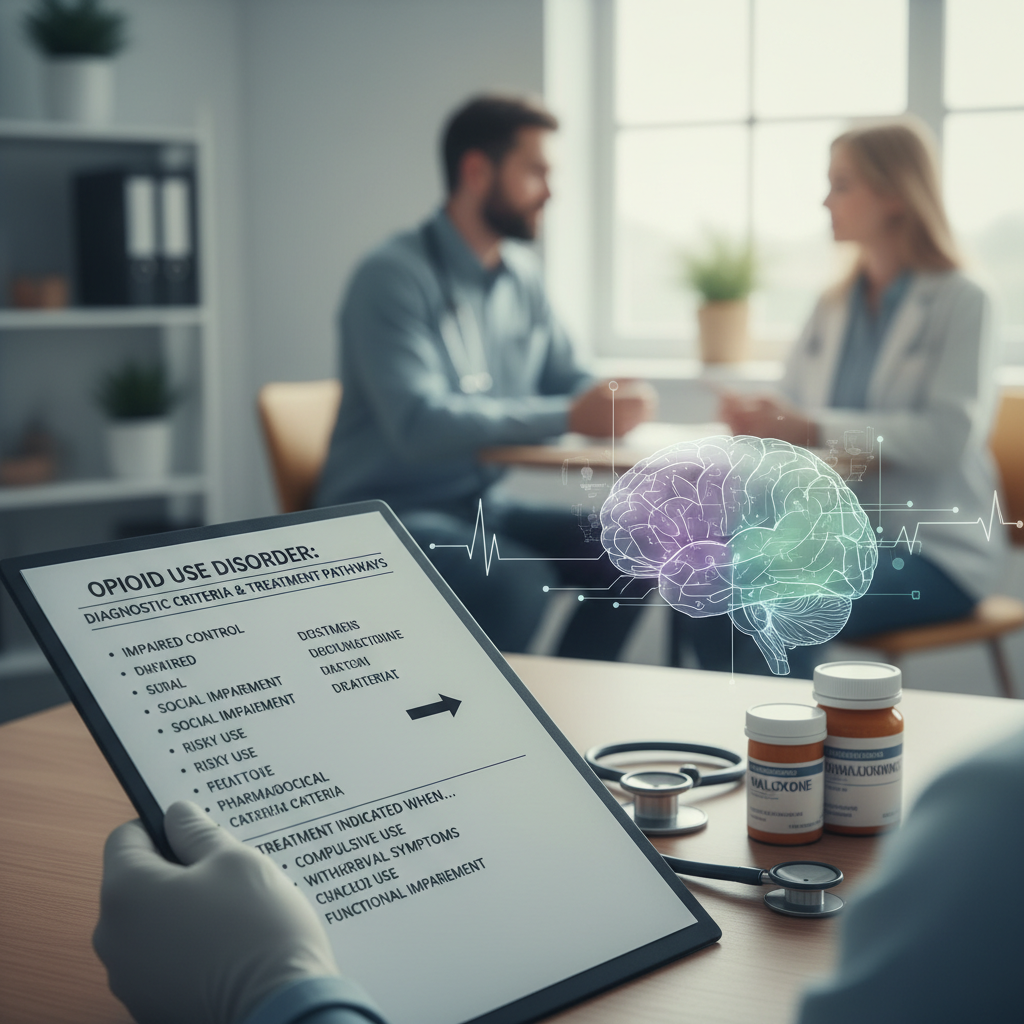
Medication-assisted treatment (MAT) weaves together medication—like Suboxone—and counseling to lessen opioid cravings and withdrawal symptoms. MAT might feel intimidating at first, especially if you’re new to using prescription medications for addiction recovery. However, data from the American Psychiatric Association underscores that medications for opioid use disorder reduce illicit opioid use by up to 90%.
Why medication-assisted treatment works
Oftentimes, willpower alone cannot push us past the physical intensity of opioid addiction. MAT addresses the chemical processes in our bodies. By reducing cravings and stabilizing brain chemistry, it allows us to focus on other essential elements of recovery, including therapy, support groups, and rebuilding personal relationships. It is not about replacing one addiction with another. Instead, MAT eases the relentless cycle of cravings, so we can tackle underlying issues that may have led to substance misuse in the first place.
How Carolina Energetics helps
At Carolina Energetics, we take a person-centered approach. We’ve witnessed firsthand how stigma can keep people from seeking treatment. Our core mission is to remove that stigma by creating an environment built on open communication and empathy. One of the ways we do that is by tailoring each person’s MAT plan, ensuring we choose the best medication, dosage, and counseling intersection for your unique situation.
We also believe that medication can’t stand on its own. Therapy is critical in addressing the root causes of addiction. If you ever feel uncertain about how counseling fits, our team can guide you through the options, from individual therapy opioid addiction to group therapy for opioid treatment sessions that supplement the effects of medication and make everything more cohesive.
Discover our approach
In our community, we view treatment as a partnership. We collaborate with you to figure out which combination of services will serve you best. You’ll find a comfortable, non-judgmental place to express your worries and frustrations, while also gaining scientific-based strategies for managing cravings. Peer support is a key piece of the puzzle, helping you stay motivated and confident.
Our supportive environment
Walking into an opioid treatment clinic can feel nerve-racking. We get it—nobody wants to feel judged. That’s why we focus on fostering a non judgmental counseling environment. Here’s what we prioritize:
- Welcoming staff who are ready to listen and reassure you.
- Clear explanations of treatment methods, such as cbt for opioid addiction or dbt for opioid addiction.
- Spaces where you can ask questions about medication side effects, therapy schedules, or coping skills.
- Opportunities to connect with others who have gone through—or are going through—similar journeys.
Our therapy options
We realize that recovery is not one-size-fits-all. Some of us prefer speaking openly in a group, while others need the privacy of individual sessions. That’s why we offer comprehensive therapy programs, each supporting your goals and emotional readiness.
Individual therapy
During individual therapy opioid addiction sessions, you’ll have a chance to explore deeper emotional triggers that may be fueling your substance use. The conversation has more room for personal details. Therapists often use methods like motivational interviewing therapy, which helps uncover internal motivations for lasting change.
Group therapy
If you feel more at ease sharing experiences with peers, group therapy for opioid treatment might be your go-to. Group members exchange practical tips (such as ways to handle triggers) and encourage each other. This fosters a sense of teamwork, showing you that you’re not alone and that collective hope can spark perseverance.
Embrace the power of community
Community is more than a buzzword. For us, it’s the heart of recovery. Beyond clinical treatment, there’s the human factor: texting a peer who understands an unexpected craving, or celebrating when a friend hits a sobriety milestone. Here are the top reasons we believe a communal approach fuels success:
- Shared Experience: Hearing someone else say, “I’ve felt that too,” can ease the burden of shame.
- Accountability: Peer pressure can be negative in some scenarios, but in support groups, it becomes a positive push to make healthier decisions.
- Emotional Healing: We can freely express grief, fear, and self-doubt in a setting where other members respond with empathy.
- Hope and Role Models: Watching someone maintain sobriety, even under stress, motivates us to keep going.
A look at peer support vs. going it alone
For a clearer snapshot, here’s a comparison of our experiences when turning to a peer support group versus tackling addiction by ourselves:
| Aspect | With Peer Support | Going it Alone |
|---|---|---|
| Emotional Backing | Immediate empathy from people who’ve been there | Often feel isolated and misunderstood |
| Accountability | Group members check in regularly | Motivating yourself can be harder |
| Practical Advice | Real-world tips and peer-approved strategies | Limited to personal research or guesswork |
| Relapse Support | Focus on reducing shame, encouraging quick return to treatment | Tendency to hide relapse and slip deeper |
| Confidence-building | Group celebrates milestones | Self-doubt may go unchallenged |
It’s clear that taking on addiction solo might yield some success, but relying on a supportive network multiplies the odds of lasting freedom from opioids. You don’t have to figure everything out yourself. Leaning on a group is not weakness, it’s a courageous step toward growth.
See why Carolina Energetics stands out
We’ve personally felt the benefits of a place that seamlessly merges medical treatment, counseling, and peer support. When each of these components clicks, progress becomes more sustainable. Carolina Energetics is designed to give you that sense of synergy. Our team understands that MAT can be a powerful catalyst, but it’s only part of the journey.
Customized plans for every individual
No two people have the exact same recovery plan. With us, there’s continuous communication between you, your medical provider, and your counselor. Need a shift in medication dosage? We can address that promptly. Interested in exploring additional services such as mindfulness counseling program or substance abuse counseling salisbury? We will work that into your treatment. We’re here to adapt whenever life throws a curveball.
Compassion meets expertise
We know that academic research and data matter. But we also know empathy matters just as much, if not more. Having read countless studies (for instance, from NCBI) about peer support in addiction recovery, our practice is built around best practices with a human touch. That might look like a staff member making a gentle phone call to check on you during a tough week, or connecting you with community opioid support services if your living situation changes.
Combine MAT and peer support effectively
When you hear the phrase peer support group opioid, it’s not just a trend or a buzzword. The synergy between medication and peer-based communities has a strong scientific and experiential foundation. We’ve found that a robust peer group can help us:
- Normalize the process of using medication: Sometimes, we question our worth or “strength” if we need a prescription. Hearing positive stories from other MAT patients reduces that stigma.
- Identify triggers: We learn from each other’s experiences about unpredictable triggers, from certain social situations to emotional stress.
- Celebrate non-linear progress: Recovery isn’t a straight line. A relapse can feel crushing, but our peers remind us it’s still possible to bounce back. In fact, many individuals who have relapsed eventually discover deeper motivation to stay sober.
Key reasons to trust this approach
It’s natural to be skeptical of anything labeled “comprehensive.” You might worry that a clinic eager to provide medication is pushing “one-size-fits-all.” But in reality:
- We calibrate medication to fit your body’s needs, not a formula.
- Peer groups are voluntary, but highly encouraged. You have a choice, and we support that choice fully.
- We combine other supportive options, such as psychiatric assessment opioid clinic, safe opioid treatment environment, and holistic recovery support services tailored to your goals.
Engage in continuous care
Our journey with opioids doesn’t halt as soon as we walk out of the clinic. The entire framework behind Carolina Energetics is built to ensure consistent care that extends well beyond the initial Treatment 101 phase. We all benefit from scheduled check-ins, educational sessions, and an environment that encourages personal growth month after month.
Ongoing education and resources
Knowledge is power, especially when facing any substance use disorder. Our opioid recovery education sessions provide easy-to-digest information about what opioids do to the brain, how to recognize relapse warning signs, and how to navigate challenges like mental health. Combined with peer discussions, these sessions keep us informed and grounded.
Long-term therapy collaboration
Some of our members continue therapy for years, discovering more about themselves and refining their coping strategies over time. Evidence based addiction therapy is constantly evolving, and as new techniques or insights emerge, we incorporate them. Whether you move toward advanced skill-building in therapy or transition to aftercare, such as opioid aftercare planning, the focus remains consistent: we stay in your corner.
Prepare for real-life challenges
We know how daunting it can be to face triggers in daily life. From celebrations surrounded by alcohol to stressful events at work, these moment-to-moment battles can sometimes feel unwinnable. That’s exactly why we incorporate hands-on skill development in peer groups. Below are strategies we often discuss:
- Identifying High-Risk Situations: Sorting out places or occasions that spark old habits and crafting backup plans.
- Maintaining Accountability: Using buddy systems to check in via text or phone when we notice cravings.
- Taking Time-Outs: If an environment feels overwhelming, temporarily step out, take a few deep breaths, and lean on a friend or sponsor.
The role of therapy in coping skills
In therapy, we zero in on real-life coping methods. For instance, anxiety management therapy can give practical tips on how to de-escalate racing thoughts. Or we might combine mindfulness exercises with depression management therapy to handle tough emotions that might otherwise push us toward substance use. By equipping ourselves with these tools, daily life feels less like a minefield and more like a terrain we can navigate.
Look ahead with hope
Despite the ups and downs, we truly believe in forging a life free from the grip of opioid misuse. With peer support, medication, and compassionate guidance, we’ve seen transformations that defy all odds. It’s not just about abstaining from drugs, it’s about reclaiming our identity, building fulfilling relationships, and discovering a renewed sense of purpose.
So, if you or a loved one is grappling with addiction, know that a new chapter does exist. There is help out there, and you never need to face this alone. We’re living proof that change is not only possible, it’s viable, with the right kind of professional support and a community that rallies around you.
Frequently asked questions
-
How do peer support groups help reduce isolation?
Being in a community of people who’ve faced similar battles means we never have to feel alone. Each time we share a struggle, we discover at least one other person who truly understands. This sense of shared experience lowers isolation and encourages healthy emotional expression. -
Why combine medication with peer support?
Medication reduces physical cravings and withdrawal symptoms, letting us better focus on counseling, group sessions, and personal growth. Meanwhile, the group offers day-to-day emotional encouragement and practical tips. The dual approach addresses both biological and psychological factors, making relapse less likely. -
Will I have to attend group therapy sessions forever?
Everyone’s journey is unique. Some people prefer arranging consistent support sessions through a longer timeline, while others taper off after a few months of building coping strategies. The key is listening to your mind and body, and adjusting as you go. Carolina Energetics will guide you to the format that fits your goals. -
Is there help for complex mental health needs beyond addiction?
Yes. We supplement MAT with various therapies, including compassionate psychiatric therapy, contingency management therapy, and specialized programs like telemedicine counseling sessions. If you’re dealing with co-occurring issues like anxiety or depression, we’ll address them in tandem with opioid misuse. -
How can I talk to a loved one about seeking treatment at Carolina Energetics?
Being open and honest about your concerns is essential. Express empathy for what they’re going through, and mention the comprehensive approach we provide. You could highlight our peer support opportunities, mention how community opioid support services ease loneliness, and emphasize that our staff is dedicated to respectful, non-judgmental guidance.
Conclusion
Our journey with opioid addiction has taught us that no single strategy cures everything. Instead, it’s the blend of caring professionals, soulful peer interactions, and medically backed treatments that creates the best chance for lasting recovery. Peer support groups guide us through the emotional turbulence, medication-assisted treatment addresses the physical aspect, and Carolina Energetics merges the two with empathy and skill.
We’ve been in the thick of it, wondering if hope was even worth holding onto. But in choosing to trust this combined approach, we’ve witnessed lives turn around. There is a path forward. If you’re looking to break free from opioid addiction—or if you know someone who is—our doors at Carolina Energetics are open. Let’s keep building a community of compassion that shapes real, meaningful change. Your story matters, and together, we can make recovery a reality.
References
- (NCBI)