
Why an opioid addiction recovery blog matters
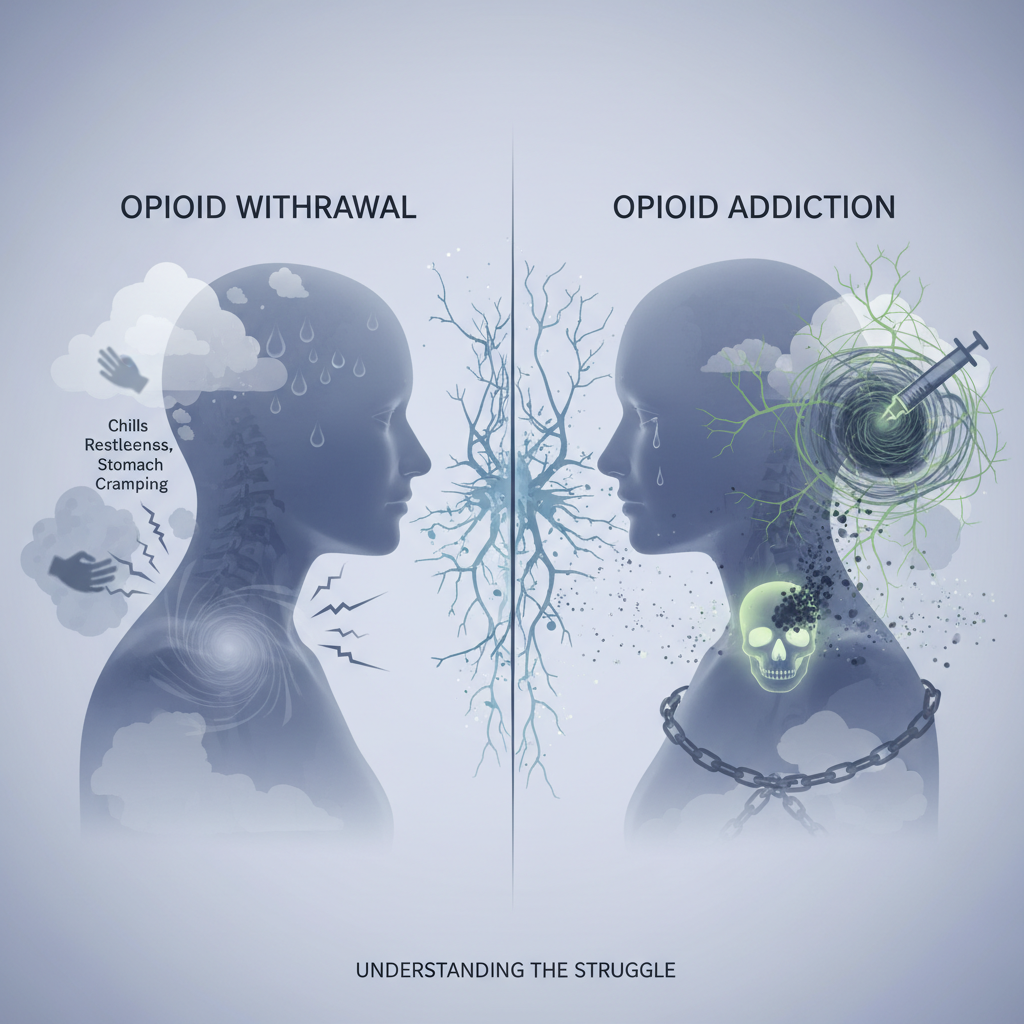
We know how overwhelming it can feel when you or someone dear to you is caught in the grip of opioid addiction. That’s exactly why we’re creating this opioid addiction recovery blog resource—to offer practical insights, share supportive information, and show that recovery truly is within reach. Substance Use Disorders (SUDs) affect millions of individuals across the country, with opioids often at center stage. According to the National Institute on Drug Abuse [1], increasing the number of people achieving long-term recovery is a major national policy priority. We share that goal, and we’d like our blog to be part of the solution.
We’ve seen firsthand how education can encourage someone to take the next step toward recovery. This blog is our space to break down medication-assisted treatment (MAT) services, delve into therapy methods, and discuss strategies for relapse prevention. By putting all of this in one place, we hope you’ll feel less alone and more informed about the journey ahead. Here’s the thing: opioid addiction is not just a personal struggle, it affects families, friends, and even entire communities. Let’s face it—the more knowledge and support we have, the better our collective odds for recovery.
From frequently asked questions to personal reflections, each section will zero in on a different piece of the recovery puzzle. Our promise is simple: we’ll talk to you like a friend, cutting out complicated jargon and focusing on clear, direct information. Whether you are personally dealing with opioid use, or you’re eager to help a loved one, we aim to be the resource that empowers you to take the next step.
Understanding medication-assisted treatment (MAT)
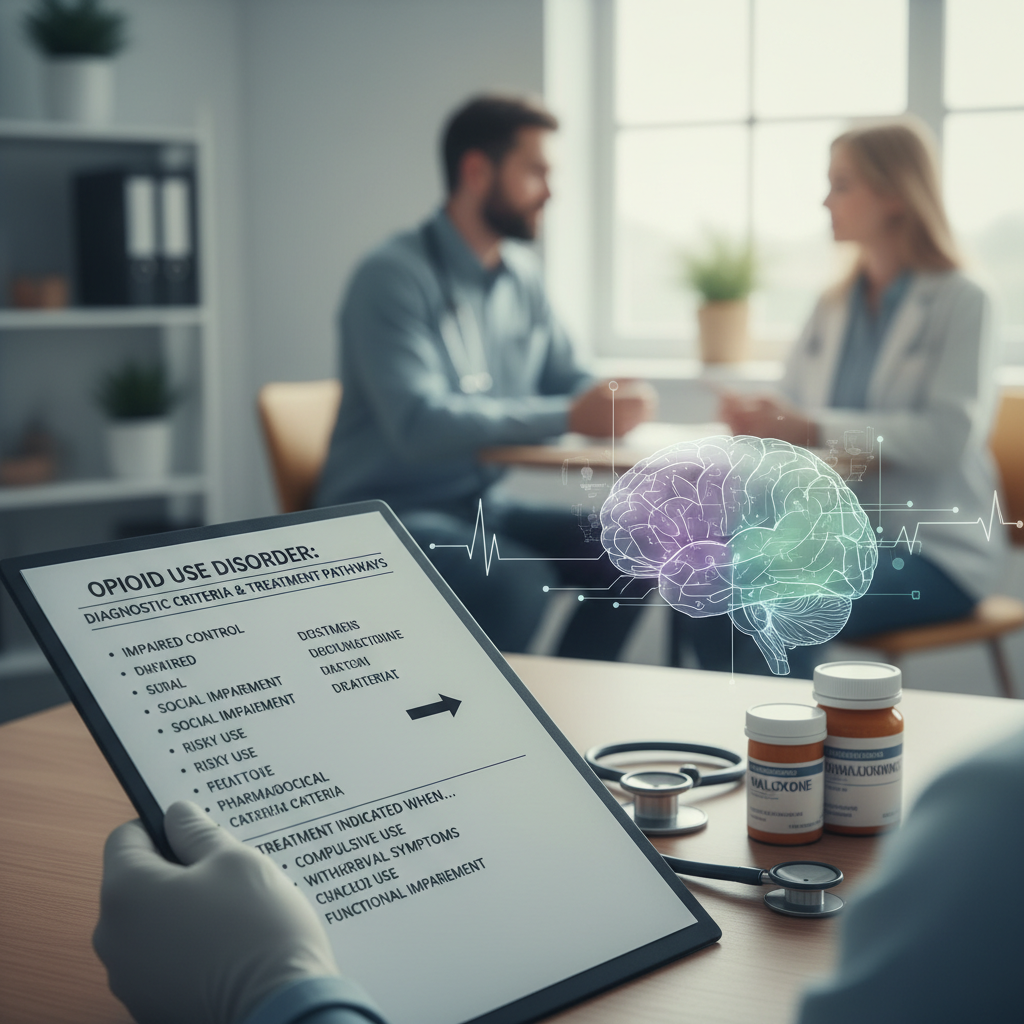
Medication-assisted treatment combines specialized medications (like Suboxone, methadone, or buprenorphine) with counseling and other support measures to help manage cravings, reduce withdrawal symptoms, and set the stage for a sustained recovery. We realize that taking a medication to address an addiction might feel like a paradox at first glance—but it’s proven effective in countless clinical studies. For instance, medication can curb those intense cravings that often sabotage the best of intentions. When combined with therapy, MAT addresses both the physical dependence and the deeper psychological aspects of opioid addiction.
NIDA also points out that new treatment approaches are necessary because complete abstinence is not always immediately achievable [1]. MAT, in this sense, may shorten the time it takes to stabilize physically, so you can focus on making lasting behavioral changes. By providing this foundation, medication opens the door for meaningful therapy sessions, life skills development, and mental health support. It’s not a magic pill, but it does add a powerful layer of support.
We’ve found that people exploring our services often wonder whether MAT is a life sentence of dependence on other medication. The truth is that you aren’t just swapping one addiction for another. Instead, you’re using a specialized medication to reframe your relationship with opioids, stabilize daily life, and eventually taper to a place that feels right for you under proper clinical guidance.
Why choose Carolina Energetics for MAT services
Our personalized approach
At Carolina Energetics, we tailor our MAT services to your individual needs. Some folks might thrive in a structured environment with daily check-ins, while others need more flexibility. We’ve learned that a one-size-fits-all plan just doesn’t work in addiction recovery. That’s why we offer diverse therapies, such as substance abuse counseling salisbury, one-on-one counseling, and group support. Our mission is to meet you exactly where you are and design a path that makes sense in your life.
Top-notch clinical expertise
Our team is dedicated to keeping pace with the latest data on opioid use disorder (OUD). We know the stakes are high. Opioids are responsible for more deaths in the United States than any other drug in history, and about one in four individuals with OUD receive specialty treatment, as noted by the Office of the Surgeon General [2]. Our goal is to topple that discouraging statistic by offering comprehensive, carefully supervised treatment plans. Whether it’s analyzing your medical history or fine-tuning your medication dosage, our clinicians and support staff strive to provide the best possible care.
Flexible treatment solutions
Life can be unpredictable—work schedules, family commitments, or health circumstances can make traditional treatment appointments tricky. Our approach incorporates real-life flexibility, from weekend availability to telehealth sessions. For instance, if you’re a busy parent or travel for work, you can opt for telemedicine counseling sessions that let you check in remotely. We also know that mental health struggles such as anxiety and depression often tag along with addiction, which is why we incorporate anxiety management therapy, depression management therapy, and other supportive programs as needed.
Core elements of effective opioid addiction recovery
No two recovery journeys look the same, but certain elements consistently show up in successful outcomes. Below, we break down three critical pillars that can guide your journey (whether for yourself or someone else).
Therapy and skill development
Personal and group therapy sessions help you uncover the core triggers behind your addiction. Studies from NCBI Bookshelf indicate that various forms of therapy—from cognitive-behavioral therapy (CBT) to motivational interviewing—significantly reduce the risk of relapse [3]. We’ve incorporated these research-backed approaches into our services, ensuring you get a thorough support net.
- CBT for opioid addiction: Focuses on identifying negative thought patterns, challenging them, and replacing those destructive patterns with healthier ones.
- Motivational interviewing therapy: Helps you tap into your personal motivations for change.
- Group therapy for opioid treatment: Offers a place to share experiences, successes, and struggles in a structured environment.
When combined, effective therapy and skill-building strategies help you handle emotional triggers and stressful life events. Plus, they promote the resilience needed to maintain a strong sense of self while navigating real-world challenges.
Peer and social support
Sharing your story in a nurturing environment can be surprisingly powerful. Peers who understand the complexity of addiction can encourage you to keep going when you’re tempted to give up. According to the Office of Addiction Services and Supports, peer-led programs can motivate individuals to remain in treatment and maintain their commitment to sobriety [4]. We also believe that supporting loved ones is crucial, so we regularly involve families in therapy and educational sessions if that’s something they’re open to.
- Peer support group opioid: Connects you with people who’ve faced similar hurdles and come out the other side stronger.
- Community opioid support services: Helps you find local resources, from job assistance to safe housing, that can secure a more stable lifestyle.
Life after initial treatment
We would love to say the moment you finish a treatment program, the job is done. But the truth is, opioid recovery is an ongoing journey that might include slip-ups or relapses. In fact, relapse often unfolds in stages—emotional, mental, and finally physical [3]. The earlier you notice signs of emotional or mental relapse, the better your chance of preventing a physical one.
One of the most impactful ways to stay on track after initial treatment is to remain actively involved in follow-up care. That could mean scheduled check-ins, opioid aftercare planning, or even an online support group. We emphasize continuing therapy on an as-needed basis—learning how to manage ongoing triggers, handle cravings, and balance daily stressors ensures that your hard work comes full circle and leads to lasting change.
Carolina Energetics: Ongoing support that fits your life
Our telemedicine counseling sessions
If you have a tight schedule, kids at home, or other obligations, telehealth can really be a game-changer. We provide telemedicine counseling sessions that offer face-to-face interaction via secure video calls. You can connect with your counselor, physician, or both—all from the convenience of your sofa. That means you can check in with us whether you’re traveling, feeling under the weather, or just tight on time.
Group therapy sessions
Going through addiction recovery can feel lonely. Group therapy normalizes the recovery experience by letting you hear how others cope and thrive in the face of addiction. You might learn a new coping skill from someone who’s one step ahead or realize you’re not alone in experiencing a certain fear. Group sessions are also a good place to work on communication skills and practice healthy interpersonal boundaries. By sharing your story, you contribute to the collective healing process and remind another participant that they too can keep going.
We want you to tap into resources that match your personality. If a large group environment feels too vulnerable, try one of our smaller supportive therapy sessions. We’ll work with you to find a group setting that feels comfortable and safe.
Continuous motivational interviewing therapy
Sometimes, it takes a guided conversation to revisit the reasons you started treatment in the first place. This is where motivational interviewing therapy steps in. It is a collaborative, goal-oriented approach that helps you strengthen your personal motivation for change. Our counselors ask open-ended questions, encourage reflective listening, and help you shape your own path forward. We’ve seen motivational interviewing reignite someone’s drive right when they feel like giving up, making it a powerful tool in your overall recovery strategy.
Tips for relapse prevention
You’ve probably heard the phrase, “Recovery is a marathon, not a sprint.” In our view, a big part of that marathon is learning to identify and manage situations that might lead to relapse. This can be emotional stress, social triggers—or even old habits that resurface. We incorporate opioid relapse prevention therapy for precisely this reason.
- Recognize early warnings. Relapse is often a process, so learning to spot emotional cues, such as irritability, restlessness, or feeling disconnected, can help you intervene sooner.
- Develop coping strategies. You might work on mindfulness, journaling, or meditation through a mindfulness counseling program.
- Build healthy routines. Exercise, meal planning, and regular sleep schedules all pay dividends for mental stability.
- Stay connected. Regular check-ins, whether in person or through a virtual platform, boost accountability and emotional support.
Medication helps keep physical cravings in check, but it’s the routines and relationships in your life that can help you remain committed during the inevitable ups and downs.
Combining MAT with therapy for comprehensive healing
Medication can address the physiological aspects of opioid dependence, but therapy makes you dig into the underlying reasons for addiction. In fact, data from UCS Healthcare notes that integrating medication and therapy boosts the overall success rate of recovery, partly because therapy helps you address deeper triggers while medication reduces cravings [5].
At Carolina Energetics, it’s common for someone to start with Suboxone and gradually combine that with weekly individual therapy opioid addiction sessions. From there, you might join a group on coping strategies, sign up for psychoeducation opioid clinic programs, or transition into family counseling once you feel stable. We’re strong believers in tailoring each program so you never feel lost in a generic plan.
Your family’s role in recovery
Family members and close friends often feel helpless or unsure how to offer effective support to a loved one facing addiction. Here’s where a bit of guidance can work wonders. We encourage families to attend educational sessions to learn about the biologic and psychiatric aspects of opioid use. People often underestimate how helpful it can be just to learn the nuts and bolts of addiction. With better understanding, families become more patient, empathetic, and ready to support the path ahead.
When appropriate, we also invite loved ones to join therapy sessions so everyone can communicate openly about challenges and expectations. We can’t overstate how important it is to have a united front—when everyone is on the same page, it’s far easier for the person in recovery to maintain momentum. Family involvement is particularly impactful for relapse prevention, because supportive loved ones can notice subtle shifts in mood or behavior and gently suggest early intervention.
Different therapy approaches we offer
We get it: therapy might sound a bit intimidating. You’re opening up old wounds, talking about your feelings, and possibly exploring personal traumas. However, therapy is one of the most crucial steps in addressing the root causes of opioid addiction. At Carolina Energetics, we offer multiple evidence-based approaches so you can find the one that resonates best.
- Contingency management therapy: Uses motivational incentives or small rewards to reinforce positive behaviors, such as attending counseling sessions or meeting sobriety milestones.
- DBT for opioid addiction: Focuses on emotion regulation, interpersonal effectiveness, and distress tolerance. DBT stands for Dialectical Behavioral Therapy, which is especially beneficial if you often feel overwhelmed by intense feelings or impulses.
- Compassionate psychiatric therapy: Integrates mental health evaluations, medication reviews, and talk therapy under one roof. This is especially helpful for those dealing with co-occurring mental health conditions.
Our approach to therapy underscores the importance of feeling safe and comfortable. We’ve seen time and again how that sense of emotional safety is the first step to being honest with yourself—and making strides toward real progress.
How we handle special cases
Priority admissions
Some circumstances require immediate attention. For instance, pregnant women and individuals who are HIV positive often receive priority admissions, given the heightened medical risks. If you or someone you know fits one of these categories, please reach out to us as soon as possible. We aim to provide a seamless process so that urgent needs are met without the usual red tape or delays.
Holiday hours and accessibility
We know that crises aren’t confined to weekdays. Our holiday hours opioid clinic is available to ensure you can get help when you need it. Likewise, we maintain accessible opioid care clinic policies to remove barriers like transportation difficulties or mobility challenges. If you have trouble visiting an in-person location, remember that telehealth options are available.
Monitoring and follow-up
One reason MAT can be so successful is the regular medication management tied into your plan. We’ll help you keep track of your progress through occasional lab tests and opioid outpatient monitoring. This adds a layer of accountability, making it easier for you to stay the course or address issues as they arise.
If at any point you feel you’re slipping, our continuing care opioid clinic can help. You might need an adjustment in medication, a reboot in counseling, or simply an open discussion about new stressors in your life. We aim to treat every individual as a unique case, which means follow-up care is always flexible and responsive.
Top 5 FAQs about opioid addiction recovery and MAT
- Do I have to take medication forever if I start MAT?
Not necessarily. MAT is a customized plan—some people transition off medication after achieving a certain level of stability, while others continue longer. We’ll track your progress and work with you to find the safest timeline for tapering. - Will Suboxone or buprenorphine just replace one opioid with another?
We see this question a lot, and the short answer is no. While these medications do interact with the same receptors targeted by opioids, they are formulated to reduce cravings and minimize the euphoric “high.” The ultimate goal is to help you stabilize and eventually reduce or discontinue medication altogether under medical supervision. - What if I can’t make it to in-person appointments due to my schedule?
You can still engage in recovery with our telemedicine counseling sessions. These sessions maintain the same level of confidentiality and expert care, minus the need for travel. It’s a convenient way to stay on track. - How does therapy help if medication is already controlling cravings?
Medication can calm cravings, but therapy tackles the heart of the issue: Why did you turn to opioids in the first place, and how do you cope with life stress without substances? Therapy gives you the emotional tools and insights to prevent relapse and cultivate healthier habits. - Can my family be part of the recovery process?
Absolutely. We encourage family involvement whenever it’s safe and beneficial for everyone. Family members often join educational workshops and shared counseling sessions to learn how to better support your recovery.
Holistic view of recovery: beyond medication
We’re big believers in combining medication with therapy, peer support, and lifestyle changes for a well-rounded recovery experience. This approach not only addresses the immediate issue of cravings but also helps you develop emotional resilience, self-awareness, and a plan for building a fulfilling life free from opioid dependency.
- Mindfulness counseling program: Learn techniques like meditation and breathwork, which lower stress reactions and reduce the urge to self-medicate with opioids.
- Non judgmental counseling environment: Our team strives to create a space where you feel comfortable sharing whatever’s on your mind. Everyone has a unique story, and we respect that.
- Holistic recovery support services: We can help coordinate care with nutritionists, mental health professionals, and social-service agencies if you need broader assistance finding housing or a job.
Over 20 million individuals and their families are affected by addiction each year, according to statistics from the Office of Addiction Services and Supports [4]. Hearing that number might feel overwhelming, but it also means you’re far from alone. Resources are out there, and we want to help you connect with them.
Sharing your story to inspire others
Facing opioid addiction can make you feel isolated, but many organizations—like the Substance Abuse and Mental Health Services Administration [6]—encourage people to share their stories to inspire others. Opening up about challenges, set-backs, and triumphs lets someone else know they’re not the only one. That might be another reason to start or read an opioid addiction recovery blog resource like ours. Personal testimonials illuminate the path to recovery in a way statistics alone never can.
If you’d like to share your story, we suggest approaching it with honesty and reflection. Talk about the fears, the turning points, and the practical steps that helped you. We believe these narratives can resonate with people who might still be on the fence about seeking professional help. Whether or not you decide to tell your story publicly, remembering it for yourself can reinforce how far you’ve come.
Conclusion: Your next steps in recovery
If you’ve made it this far, you already know a lot more about opioid addiction recovery than most people do. Ultimately, your road to recovery may be as complex as the circumstances that got you here. Our mission at Carolina Energetics is to simplify that path. We offer comprehensive MAT, therapy options, and continued care that can adapt to your changing needs.
Here’s our advice: reach out sooner rather than later. Whether you pick up the phone, send an email, or schedule psychiatric assessment opioid clinic, you’re making an active decision to fight back against addiction. That first step signals hope, and we’re ready to walk with you every step of the way.
You don’t have to figure everything out immediately. Just focus on starting the conversation. From there, we’ll work together to create a personalized plan covering medication, therapy, and the support systems you need. We know it’s a big decision. But we also know from experience: life beyond opioid addiction is absolutely possible, and you deserve the chance to experience it to the fullest.
Reach out, stay informed, and keep believing in your own ability to recover. We’re here cheering you on, and we can’t wait to see you succeed.