
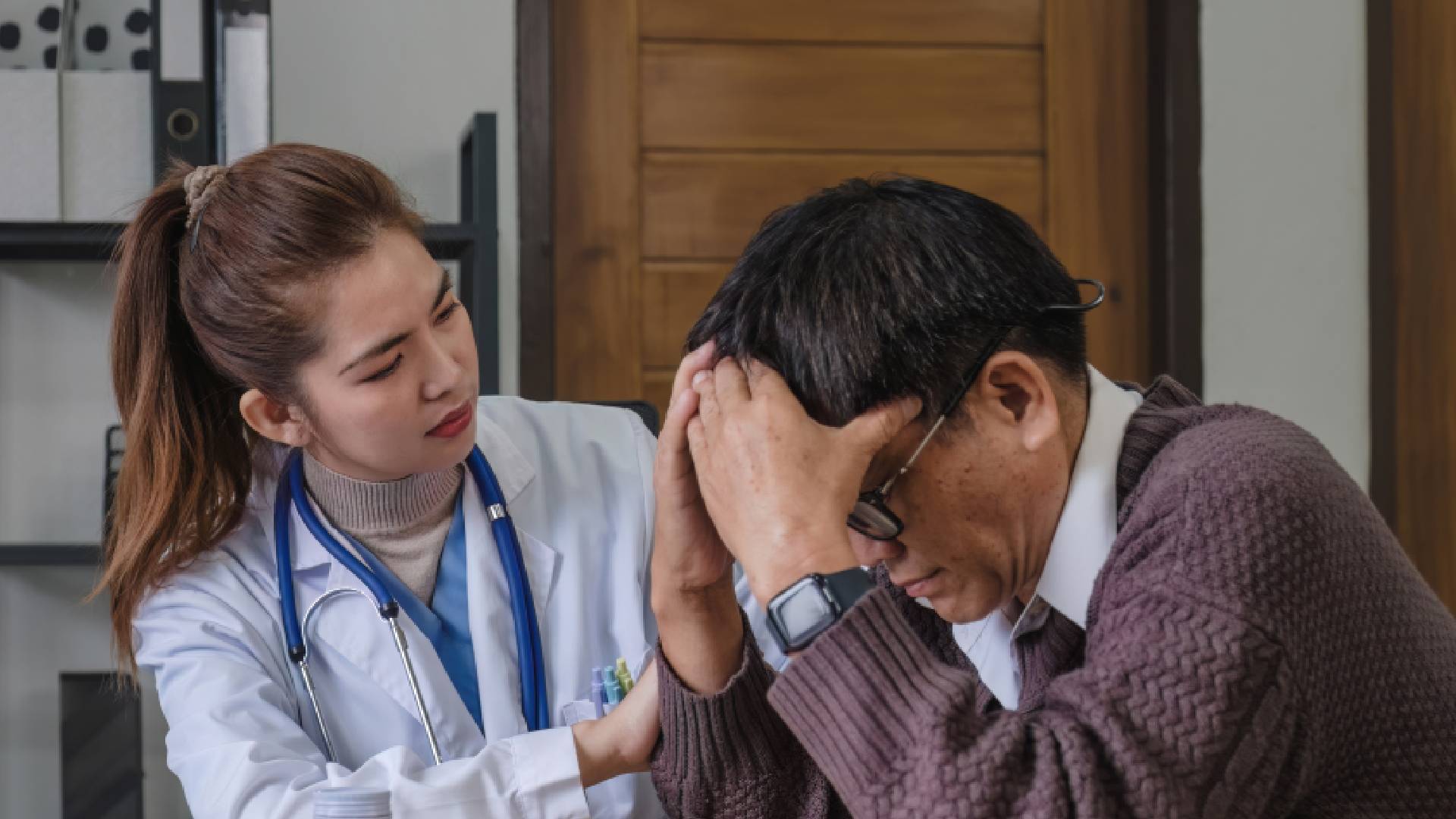
Why understanding when dependence becomes opioid dependency matters
If you use opioids regularly, you may already know what physical dependence feels like. You might notice you need more medication for the same pain relief, or you feel sick if you miss a dose. That does not automatically mean you are addicted. Understanding when dependence becomes opioid dependency helps you know when it is time to seek help and what kind of help you need.
Modern guidelines treat all these issues under the umbrella of “substance use disorders,” but clinicians still find it useful to separate physical dependence, psychological dependence, and opioid dependency so that treatment is appropriate and not driven by fear or stigma [1]. Clarifying these terms can reduce shame and prevent people from being misdiagnosed or pushed off necessary medications too quickly [2].
If you want a broader introduction before reading further, you can review what is opioid dependence vs opioid dependency and understanding opioid dependency.
What physical dependence actually is
Physical dependence is a predictable adaptation of your brain and body to a substance. It is expected with many medications, including opioids, antidepressants, and some anxiety drugs. It does not, by itself, mean you have an opioid dependency or a substance use disorder.
Clinically, physical dependence is defined by two features:
- Your body has adapted to the drug and needs it to function normally
- You develop withdrawal symptoms when the drug is reduced or stopped
According to several medical sources, physical dependence can develop in just a few weeks of regular opioid use, especially with painkillers [3]. Nearly everyone who takes opioids for months or longer becomes physically dependent, yet only a minority develop opioid dependency.
You can learn more about early changes in your body in signs of opioid dependence in adults and prescription opioid dependence signs.
Typical withdrawal symptoms
When you are physically dependent and lower or stop your opioid use, you may experience:
- Nausea, vomiting, or diarrhea
- Muscle aches, joint or bone pain
- Sweating, chills, goosebumps
- Tremors, restlessness, or agitation
- Insomnia or broken sleep
- Runny nose, tearing, yawning
- Headaches and general flu-like malaise
These symptoms are uncomfortable and sometimes medically risky, especially if you have other health conditions. Detoxification and medically supervised tapers are often recommended because withdrawal from physical dependence can, in some cases, pose serious health risks and should be managed professionally [4].
You can compare these physical symptoms with the broader clinical picture in opioid withdrawal vs opioid dependency symptoms.
How tolerance fits into dependence and opioid dependency
Tolerance is usually the first sign that your body is adapting to opioids. You get less effect from the same dose and need more to achieve the same level of pain relief or euphoria.
Medical experts define tolerance as a reduced effect of a substance over time that prompts dose increases [5]. Tolerance often leads to physical dependence because you are taking the drug regularly at higher doses. However, tolerance and dependence alone do not prove opioid dependency is present.
The progression often looks like this:
- You start opioids for pain or other reasons
- Tolerance develops, so you need higher doses
- Physical dependence sets in, and you feel withdrawal if you cut back
- For some people, compulsive use, cravings, and loss of control emerge
That last step is where opioid dependency begins. For a deeper look at this process, you can read opioid tolerance vs opioid dependency explained, how long it takes to become dependent on opioids, and how opioid dependency develops.
Psychological dependence and “triggers”
Psychological or mental dependence is different from physical dependence. It refers to the emotional and cognitive pull a drug has on you. You may feel like you need opioids to cope, relax, feel normal, sleep, work, or face certain people or situations.
Researchers describe psychological dependence as involving conditioned responses to triggers like specific places, people, emotions, or times of day that provoke cravings and drug seeking [5]. This is one reason why someone can be psychologically addicted to a drug like marijuana without having severe physical withdrawal [4].
Psychological dependence can be harder to overcome than physical dependence because:
- It is driven by thoughts, beliefs, and habits
- Triggers can show up years after physical withdrawal is over
- The symptoms are more subjective and varied
- It often connects to unresolved stress, trauma, anxiety, or depression [4]
Treatment usually requires longer-term therapies, such as Cognitive Behavioral Therapy (CBT), to work on emotional triggers and coping strategies [1].
What opioid dependency means in clinical terms
Opioid dependency is not just higher doses, tolerance, or feeling sick when you stop. The American Psychiatric Association and modern medical guidelines define opioid dependency as a substance use disorder characterized by:
- Impaired control over use
- Compulsive drug seeking and use
- Continued use despite harmful consequences
- Cravings and preoccupation with the substance
- Social and functional problems related to use [6]
Repeated opioid use literally changes how your brain’s reward system works, so that using becomes a priority over health, relationships, work, and safety [7]. The Hospital for Special Surgery notes that in opioid dependency, the brain’s reward center is “online,” driving compulsive use and undermining your ability to make decisions in your best interest [8].
In contrast, with simple physical dependence the automatic functions of the brain adapt to the drug, but your decision making and impulse control can remain intact [8].
To see how doctors formally diagnose opioid dependency, explore the clinical definition of opioid use disorder and opioid use disorder symptoms explained.
Key differences between dependence and opioid dependency
The table below summarizes the main distinctions, based on current research and clinical practice:
| Aspect | Physical dependence | Opioid dependency / Substance Use Disorder |
|---|---|---|
| Core issue | Body adaptation to the drug | Brain reward system and behavior change |
| Main features | Tolerance and withdrawal | Cravings, loss of control, continued use despite harm |
| Control over use | Often intact, you can stick to the prescribed plan | Often impaired, you struggle to cut down or stop |
| Use pattern | Typically follows medical guidance | Often more, more often, or differently than prescribed |
| Effect on life | May function normally if dose is stable | Work, relationships, finances, and health are disrupted |
| Treatment focus | Medically supervised taper or detox | Long-term behavioral, psychological, and sometimes medication-based treatment |
Physical dependence alone is not a diagnosis of opioid dependency. Many patients on long-term opioid therapy develop dependence but do not meet criteria for opioid use disorder. Research in 520 American veterans found that only about 58 percent of people labeled with “opioid use,” “abuse,” or “dependence” codes actually met the modern DSM-5 criteria for opioid use disorder, and nearly 20 percent were simply receiving long-term pain management without
Why understanding when dependence becomes opioid dependency matters
If you use opioids regularly, you may already know what physical dependence feels like. You might notice you need more medication for the same pain relief, or you feel sick if you miss a dose. That does not automatically mean you are addicted. Understanding when dependence becomes opioid dependency helps you know when it is time to seek help and what kind of help you need.
Modern guidelines treat all these issues under the umbrella of “substance use disorders,” but clinicians still find it useful to separate physical dependence, psychological dependence, and opioid dependency so that treatment is appropriate and not driven by fear or stigma [1]. Clarifying these terms can reduce shame and prevent people from being misdiagnosed or pushed off necessary medications too quickly [2].
If you want a broader introduction before reading further, you can review what is opioid dependence vs opioid dependency and understanding opioid dependency.
What physical dependence actually is
Physical dependence is a predictable adaptation of your brain and body to a substance. It is expected with many medications, including opioids, antidepressants, and some anxiety drugs. It does not, by itself, mean you have an opioid dependency or a substance use disorder.
Clinically, physical dependence is defined by two features:
- Your body has adapted to the drug and needs it to function normally
- You develop withdrawal symptoms when the drug is reduced or stopped
According to several medical sources, physical dependence can develop in just a few weeks of regular opioid use, especially with painkillers [3]. Nearly everyone who takes opioids for months or longer becomes physically dependent, yet only a minority develop opioid dependency.
You can learn more about early changes in your body in signs of opioid dependence in adults and prescription opioid dependence signs.
Typical withdrawal symptoms
When you are physically dependent and lower or stop your opioid use, you may experience:
- Nausea, vomiting, or diarrhea
- Muscle aches, joint or bone pain
- Sweating, chills, goosebumps
- Tremors, restlessness, or agitation
- Insomnia or broken sleep
- Runny nose, tearing, yawning
- Headaches and general flu-like malaise
These symptoms are uncomfortable and sometimes medically risky, especially if you have other health conditions. Detoxification and medically supervised tapers are often recommended because withdrawal from physical dependence can, in some cases, pose serious health risks and should be managed professionally [4].
You can compare these physical symptoms with the broader clinical picture in opioid withdrawal vs opioid dependency symptoms.
How tolerance fits into dependence and opioid dependency
Tolerance is usually the first sign that your body is adapting to opioids. You get less effect from the same dose and need more to achieve the same level of pain relief or euphoria.
Medical experts define tolerance as a reduced effect of a substance over time that prompts dose increases [5]. Tolerance often leads to physical dependence because you are taking the drug regularly at higher doses. However, tolerance and dependence alone do not prove opioid dependency is present.
The progression often looks like this:
- You start opioids for pain or other reasons
- Tolerance develops, so you need higher doses
- Physical dependence sets in, and you feel withdrawal if you cut back
- For some people, compulsive use, cravings, and loss of control emerge
That last step is where opioid dependency begins. For a deeper look at this process, you can read opioid tolerance vs opioid dependency explained, how long it takes to become dependent on opioids, and how opioid dependency develops.
Psychological dependence and “triggers”
Psychological or mental dependence is different from physical dependence. It refers to the emotional and cognitive pull a drug has on you. You may feel like you need opioids to cope, relax, feel normal, sleep, work, or face certain people or situations.
Researchers describe psychological dependence as involving conditioned responses to triggers like specific places, people, emotions, or times of day that provoke cravings and drug seeking [5]. This is one reason why someone can be psychologically addicted to a drug like marijuana without having severe physical withdrawal [4].
Psychological dependence can be harder to overcome than physical dependence because:
- It is driven by thoughts, beliefs, and habits
- Triggers can show up years after physical withdrawal is over
- The symptoms are more subjective and varied
- It often connects to unresolved stress, trauma, anxiety, or depression [4]
Treatment usually requires longer-term therapies, such as Cognitive Behavioral Therapy (CBT), to work on emotional triggers and coping strategies [1].
What opioid dependency means in clinical terms
Opioid dependency is not just higher doses, tolerance, or feeling sick when you stop. The American Psychiatric Association and modern medical guidelines define opioid dependency as a substance use disorder characterized by:
- Impaired control over use
- Compulsive drug seeking and use
- Continued use despite harmful consequences
- Cravings and preoccupation with the substance
- Social and functional problems related to use [6]
Repeated opioid use literally changes how your brain’s reward system works, so that using becomes a priority over health, relationships, work, and safety [7]. The Hospital for Special Surgery notes that in opioid dependency, the brain’s reward center is “online,” driving compulsive use and undermining your ability to make decisions in your best interest [8].
In contrast, with simple physical dependence the automatic functions of the brain adapt to the drug, but your decision making and impulse control can remain intact [8].
To see how doctors formally diagnose opioid dependency, explore the clinical definition of opioid use disorder and opioid use disorder symptoms explained.
Key differences between dependence and opioid dependency
The table below summarizes the main distinctions, based on current research and clinical practice:
| Aspect | Physical dependence | Opioid dependency / Substance Use Disorder |
|---|---|---|
| Core issue | Body adaptation to the drug | Brain reward system and behavior change |
| Main features | Tolerance and withdrawal | Cravings, loss of control, continued use despite harm |
| Control over use | Often intact, you can stick to the prescribed plan | Often impaired, you struggle to cut down or stop |
| Use pattern | Typically follows medical guidance | Often more, more often, or differently than prescribed |
| Effect on life | May function normally if dose is stable | Work, relationships, finances, and health are disrupted |
| Treatment focus | Medically supervised taper or detox | Long-term behavioral, psychological, and sometimes medication-based treatment |
Physical dependence alone is not a diagnosis of opioid dependency. Many patients on long-term opioid therapy develop dependence but do not meet criteria for opioid use disorder. Research in 520 American veterans found that only about 58 percent of people labeled with “opioid use,” “abuse,” or “dependence” codes actually met the modern DSM-5 criteria for opioid use disorder, and nearly 20 percent were simply receiving long-term pain management without opioid dependency [2].
This confusion can lead to stigma, misdiagnosis, and unnecessary or abrupt discontinuation of needed medications [2]. Understanding these differences protects you from being inappropriately labeled and also makes it easier to see clearly when opioid dependency really is present. For more context, see physical dependence vs substance use disorder and difference between opioid dependence and opioid dependency.
Early warning signs that dependence is shifting toward opioid dependency
There is rarely one moment when dependence suddenly “switches” to opioid dependency. Instead, there is a gradual shift in how you use opioids and how they affect your life. Catching the pattern early gives you more options and often makes recovery easier.
You may be moving from dependence toward opioid dependency if you notice:
- You start taking opioids for reasons other than pain control
For example, to cope with stress, anxiety, boredom, or difficult emotions. - You are thinking about opioids frequently
Planning activities around when you can use, or worrying about running out. - You use more than prescribed or more often than intended
Taking extra pills, refilling early, or supplementing with pills from friends or the street. - You feel strong cravings that are hard to ignore
Cravings drive your decisions, even when part of you does not want to use. - You attempt to cut down and find you cannot
Repeated “I will stop tomorrow” cycles without follow through. - You start hiding or minimizing your use
Lying to loved ones or your doctor about how much you take. - Problems are clearly linked to your use, but you keep using
Legal issues, work problems, financial stress, or relationship conflict that do not change your pattern.
For more detail on these early shifts, review early opioid dependency warning signs and how to tell if you are addicted to opioids.
How opioids change your brain over time
Opioids act directly on receptors in your brain that regulate pain, pleasure, breathing, and stress. Over time, your brain adjusts to frequent exposure by:
- Requiring more drug to trigger the same level of pleasure
- Reducing the effect of natural feel good chemicals
- Rewiring motivation so that getting and using the drug becomes a top priority
Mayo Clinic notes that these changes in brain neurons can persist long after you stop using, which is why relapse risk can remain for years and recovery is often a long-term process [7]. Physical dependence on opioids can also affect automatic brain functions such as breathing and heart rate, which is one reason overdose can be life-threatening [8].
Because every person’s brain chemistry is different, two people can take the same dose for the same amount of time and have very different outcomes. This is why personal risk factors matter. You can explore this more in how opioids affect the brain long term and risk factors for opioid dependency.
When dependence alone needs medical supervision
Even if you are not addicted, physical dependence can be serious and sometimes dangerous if it is not managed carefully. You should consider professional help if:
- You have been taking opioids daily for more than a few weeks
- You experience significant withdrawal symptoms when you miss or reduce a dose
- You have other medical conditions, especially heart, lung, or psychiatric issues
- You are taking multiple medications that might interact
Medical detox and supervised tapering can reduce withdrawal severity and lower the risks of complications. Programs often take one to two weeks for the acute physical symptoms, depending on your dose, duration of use, and overall health [1].
If you are unsure where you stand, opioid withdrawal vs opioid dependency symptoms can help you compare your experience to common clinical patterns.
Clear signs it has become opioid dependency and treatment is needed
You do not have to hit a “rock bottom” to need or deserve treatment. The earlier you recognize opioid dependency, the more choices you usually have. Clinically, treatment is recommended when you meet criteria for a substance use disorder or when your opioid use is clearly harming you or the people around you.
You should strongly consider formal treatment if:
- You repeatedly fail to cut down or stop on your own
- You keep using despite serious consequences, such as accidents, arrests, major relationship loss, or losing a job
- You spend a lot of time obtaining, using, or recovering from opioids
- Cravings and urges regularly override your other priorities
- You use opioids in physically dangerous situations, such as while driving or operating machinery
- Your doctor has expressed concern about your use, and you continue to escalate anyway
These are central features of substance use disorders as outlined by major clinical guidelines [6]. In practical terms, if opioids are controlling you more than you are controlling them, it is time to seek help.
To better understand the progression, you may find opioid dependency stages explained and opioid misuse vs opioid dependency differences helpful.
Why mislabeling dependence as is opioid dependency a problem
It is important not to exaggerate or minimize your situation. Research shows that confusing “dependence” and “opioid dependency” leads to problems in care. In the study of veterans mentioned earlier, inaccurate coding meant that many people taking opioids long term for chronic pain were mislabeled as having opioid dependency, which can result in stigma, inappropriate treatment, and even legal consequences for both patients and physicians [2].
Professional groups have tried to correct this. Since 2006, the American Psychiatric Association has emphasized that physical dependence is a normal biological adaptation, while opioid dependency involves compulsive use and distinct brain changes [2]. The DSM-5 now uses the term “substance use disorder” and grades severity, but the distinction still matters to avoid cutting off effective pain treatment from patients who are physically dependent but not addicted [1].
Understanding this helps you have more informed conversations with your providers and ask for care that reflects your actual needs. If you are navigating this with a doctor, the background in physical dependence vs substance use disorder can be a useful reference.
What effective treatment looks like
The right treatment depends on whether you are primarily dealing with physical dependence, opioid dependency, or both.
If physical dependence is the main issue, treatment often focuses on:
- Medically supervised tapering
- Short term detoxification to manage withdrawal safely
- Adjusting or changing medications
- Monitoring for signs of emerging opioid dependency
If opioid dependency is present, evidence based care usually includes:
- A thorough evaluation of your substance use, mental health, and medical history
- Behavioral therapies, including CBT, to address triggers and coping strategies [1]
- Medication-assisted treatment (for example, methadone or buprenorphine) when appropriate, which are lifesaving treatments even though they involve physical dependence [2]
- Support for co occurring conditions like anxiety, depression, or PTSD [4]
- Long term aftercare and support groups, since psychological dependence and relapse risk can persist after detox
For guidance on timing and options, see when to seek treatment for opioid use.
How you can start sorting this out today
If you are unsure where you fall on the spectrum from use to dependence to opioid dependency, you can take several concrete steps:
- Track your use and your reasons for using
Write down how much you take, when, and why. Note when it is for pain versus when it is to change how you feel emotionally. - Screen yourself using reputable criteria
Compare your experiences to clinical symptoms in dependency stages explained and how to tell if you are addicted to opioids. - Talk openly with a medical or opioid dependency professional
Be honest about doses, sources, and patterns. Ask specifically whether they believe you have physical dependence,opioid dependency, or both. Clarify what that means for your care. - Involve trusted family or friends if you can
Sometimes people close to you see changes before you do. Ask them what they have noticed about your mood, reliability, and behavior. - Consider your personal risk factors
If you have a history of opioid dependency, untreated mental health conditions, or family history of substance use disorders, you are more vulnerable and should be especially cautious [8].
Your experience is not defined only by labels. Whether you are physically dependent, addicted, or somewhere in between, help is available and treatment can be tailored to your situation through professional counseling that supports your recovery journey with clarity and confidence.
References
- (Delamere)
- (NCBI PMC)
- (Delamere, Hospital for Special Surgery)
- (Ashley opioid dependency Treatment)
- (opioid dependencyCenter)
- (opioid dependencyCenter, Mayo Clinic)
- (Mayo Clinic)
- (Hospital for Special Surgery)
[2].
This confusion can lead to stigma, misdiagnosis, and unnecessary or abrupt discontinuation of needed medications [2]. Understanding these differences protects you from being inappropriately labeled and also makes it easier to see clearly when opioid dependency really is present. For more context, see physical dependence vs substance use disorder and difference between opioid dependence and opioid dependency.
Early warning signs that dependence is shifting toward opioid dependency
There is rarely one moment when dependence suddenly “switches” to opioid dependency. Instead, there is a gradual shift in how you use opioids and how they affect your life. Catching the pattern early gives you more options and often makes recovery easier.
You may be moving from dependence toward opioid dependency if you notice:
- You start taking opioids for reasons other than pain control
For example, to cope with stress, anxiety, boredom, or difficult emotions. - You are thinking about opioids frequently
Planning activities around when you can use, or worrying about running out. - You use more than prescribed or more often than intended
Taking extra pills, refilling early, or supplementing with pills from friends or the street. - You feel strong cravings that are hard to ignore
Cravings drive your decisions, even when part of you does not want to use. - You attempt to cut down and find you cannot
Repeated “I will stop tomorrow” cycles without follow through. - You start hiding or minimizing your use
Lying to loved ones or your doctor about how much you take. - Problems are clearly linked to your use, but you keep using
Legal issues, work problems, financial stress, or relationship conflict that do not change your pattern.
For more detail on these early shifts, review early opioid dependency warning signs and how to tell if you are addicted to opioids.
How opioids change your brain over time
Opioids act directly on receptors in your brain that regulate pain, pleasure, breathing, and stress. Over time, your brain adjusts to frequent exposure by:
- Requiring more drug to trigger the same level of pleasure
- Reducing the effect of natural feel good chemicals
- Rewiring motivation so that getting and using the drug becomes a top priority
Mayo Clinic notes that these changes in brain neurons can persist long after you stop using, which is why relapse risk can remain for years and recovery is often a long-term process [7]. Physical dependence on opioids can also affect automatic brain functions such as breathing and heart rate, which is one reason overdose can be life-threatening [8].
Because every person’s brain chemistry is different, two people can take the same dose for the same amount of time and have very different outcomes. This is why personal risk factors matter. You can explore this more in how opioids affect the brain long term and risk factors for opioid dependency.
When dependence alone needs medical supervision
Even if you are not addicted, physical dependence can be serious and sometimes dangerous if it is not managed carefully. You should consider professional help if:
- You have been taking opioids daily for more than a few weeks
- You experience significant withdrawal symptoms when you miss or reduce a dose
- You have other medical conditions, especially heart, lung, or psychiatric issues
- You are taking multiple medications that might interact
Medical detox and supervised tapering can reduce withdrawal severity and lower the risks of complications. Programs often take one to two weeks for the acute physical symptoms, depending on your dose, duration of use, and overall health [1].
If you are unsure where you stand, opioid withdrawal vs opioid dependency symptoms can help you compare your experience to common clinical patterns.
Clear signs it has become opioid dependency and treatment is needed
You do not have to hit a “rock bottom” to need or deserve treatment. The earlier you recognize opioid dependency, the more choices you usually have. Clinically, treatment is recommended when you meet criteria for a substance use disorder or when your opioid use is clearly harming you or the people around you.
You should strongly consider formal treatment if:
- You repeatedly fail to cut down or stop on your own
- You keep using despite serious consequences, such as accidents, arrests, major relationship loss, or losing a job
- You spend a lot of time obtaining, using, or recovering from opioids
- Cravings and urges regularly override your other priorities
- You use opioids in physically dangerous situations, such as while driving or operating machinery
- Your doctor has expressed concern about your use, and you continue to escalate anyway
These are central features of substance use disorders as outlined by major clinical guidelines [6]. In practical terms, if opioids are controlling you more than you are controlling them, it is time to seek help.
To better understand the progression, you may find opioid dependency stages explained and opioid misuse vs opioid dependency differences helpful.
Why mislabeling dependence as is opioid dependency a problem
It is important not to exaggerate or minimize your situation. Research shows that confusing “dependence” and “opioid dependency” leads to problems in care. In the study of veterans mentioned earlier, inaccurate coding meant that many people taking opioids long term for chronic pain were mislabeled as having opioid dependency, which can result in stigma, inappropriate treatment, and even legal consequences for both patients and physicians [2].
Professional groups have tried to correct this. Since 2006, the American Psychiatric Association has emphasized that physical dependence is a normal biological adaptation, while opioid dependency involves compulsive use and distinct brain changes [2]. The DSM-5 now uses the term “substance use disorder” and grades severity, but the distinction still matters to avoid cutting off effective pain treatment from patients who are physically dependent but not addicted [1].
Understanding this helps you have more informed conversations with your providers and ask for care that reflects your actual needs. If you are navigating this with a doctor, the background in physical dependence vs substance use disorder can be a useful reference.
What effective treatment looks like
The right treatment depends on whether you are primarily dealing with physical dependence, opioid dependency, or both.
If physical dependence is the main issue, treatment often focuses on:
- Medically supervised tapering
- Short term detoxification to manage withdrawal safely
- Adjusting or changing medications
- Monitoring for signs of emerging opioid dependency
If opioid dependency is present, evidence based care usually includes:
- A thorough evaluation of your substance use, mental health, and medical history
- Behavioral therapies, including CBT, to address triggers and coping strategies [1]
- Medication-assisted treatment (for example, methadone or buprenorphine) when appropriate, which are lifesaving treatments even though they involve physical dependence [2]
- Support for co occurring conditions like anxiety, depression, or PTSD [4]
- Long term aftercare and support groups, since psychological dependence and relapse risk can persist after detox
For guidance on timing and options, see when to seek treatment for opioid use.
How you can start sorting this out today
If you are unsure where you fall on the spectrum from use to dependence to opioid dependency, you can take several concrete steps:
- Track your use and your reasons for using
Write down how much you take, when, and why. Note when it is for pain versus when it is to change how you feel emotionally. - Screen yourself using reputable criteria
Compare your experiences to clinical symptoms in dependency stages explained and how to tell if you are addicted to opioids. - Talk openly with a medical or professional
Be honest about doses, sources, and patterns. Ask specifically whether they believe you have physical dependence,opioid dependency, or both. Clarify what that means for your care. - Involve trusted family or friends if you can
Sometimes people close to you see changes before you do. Ask them what they have noticed about your mood, reliability, and behavior. - Consider your personal risk factors
If you have a history of opioid dependency, untreated mental health conditions, or family history of substance use disorders, you are more vulnerable and should be especially cautious [8].
Your experience is not defined only by labels. Whether you are physically dependent, addicted, or somewhere in between, help is available and treatment can be tailored to your situation. Exploring resources like understanding opioid dependency and how opioid dependency develops can equip you to take your next step with more clarity and confidence.