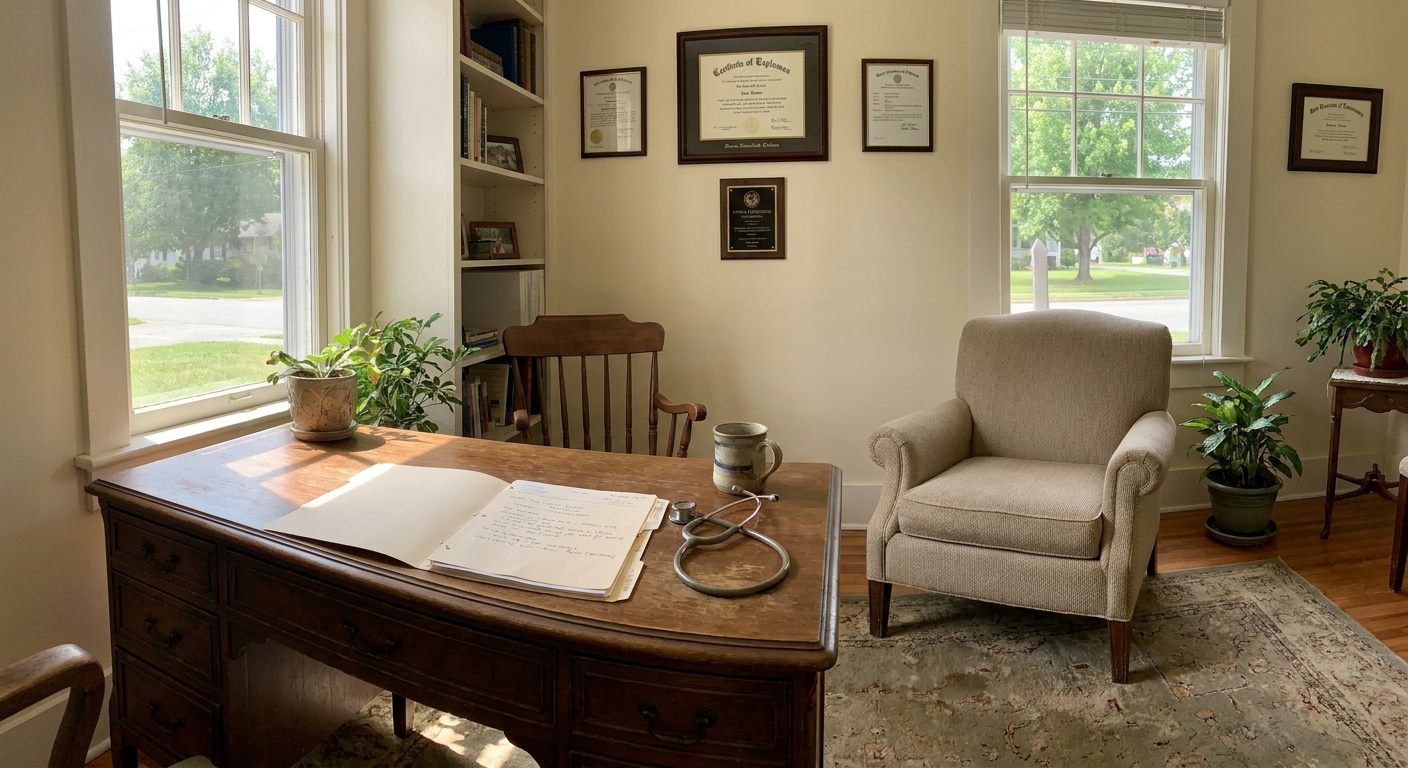

Expertise provided by Dr. Russell, David N Russell MD
You call a Salisbury MAT clinic and ask if outpatient treatment is right for you. The intake coordinator says, “we’ll assess that when you come in.” That answer is honest, but it leaves you guessing whether you are signing up for one visit a week or twenty hours in a program. Understanding the outpatient opioid levels of care in Salisbury before you walk in the door matters, because the level you land in shapes your schedule, your cost, and whether you can keep working while you stabilize. You deserve to know what you are walking into, so let us at Carolina Energetics walk through it plainly.
What Do Outpatient Levels of Care Actually Mean for Opioid Treatment?
Outpatient opioid treatment comes in three intensity levels. Standard outpatient is Level 1, intensive outpatient (or IOP) is Level 2.1, and partial hospitalization (or PHP) is Level 2.5. The main thing that separates them is how many structured hours per week you spend in care.
Under the American Society of Addiction Medicine criteria, standard outpatient means fewer than 9 hours of service per week. In real life, that looks like an individual visit for medication management and counseling, often weekly or every couple of weeks, while you live at home and keep your normal routine. Intensive outpatient runs 9 to 19 hours per week, usually as group therapy several days a week plus individual sessions. Partial hospitalization is the most demanding outpatient step at 20 or more hours per week, close to a full-time schedule, though you still sleep in your own bed. None of these require a hospital admission.
Here is what those hours actually contain. At the standard level, most of the work is your medication plan and one-on-one conversation. At IOP and PHP, you add hours of group therapy, closer medical monitoring, and more frequent contact. More hours are not automatically better. The right number of hours is the number that may help support your stability without pulling apart your job, your family, or your budget. Outpatient programs that pair medication with counseling are one approach for opioid use disorder, as SAMHSA describes in its guidance on medications for opioid use disorder. The question is never “which level sounds strongest.” The question is which level fits your life and may support your recovery goals.
How Carolina Energetics Decides Where You Start in Salisbury
Carolina Energetics offers standard outpatient care and Medication-Assisted Treatment, and Dr. Russell decides your starting level during a required in-person exam, not from a form. The North Carolina Medical Board requires at least one in-person physical and history exam before any telemedicine visits can happen, and this clinic follows that rule closely. That first visit is where your level of care is set.
During that exam, medications and dose are highly individualized. Dr. Russell of Carolina Energetics weighs your prior use, your current use, your current medical issues, and your full medical history to find a medication and dose that may work for you, though responses vary from person to person. He does not stop at the drug. He asks about your money, your work, your home, and the people around you, because those things can influence your treatment as much as any prescription. That is not filler conversation. On the first visit and every visit after, the furthest thing from his mind is treating you like a cash cow. He wants to know what you are actually carrying.
If you arrive in active withdrawal, care can sometimes start that same afternoon. When your Clinical Opiate Withdrawal Scale score sits in the 20 to 25 range, meaning nausea, body aches, diarrhea, sniffling, and sneezing, Dr. Russell at Carolina Energetics can begin buprenorphine induction the same day in some cases. The protocol starts at 2mg doses and builds up to your full treatment dose, with additional medications prescribed to ease the transition. This speed matters. Many programs put you through multi-day intake or insurance pre-authorization first, which means waiting in withdrawal. Here, if standard outpatient fits your situation, you may leave that first appointment already on a plan, though individual circumstances vary. Dr. Russell brings more than 45 years of licensed medical practice and Board Certification from the American Board of Urgent Care Medicine to that call, so the recommendation is grounded in real clinical judgment, not a script.
When Are Standard Outpatient Visits Not Enough?
Standard outpatient may not be enough when medication alone is not helping you stay stable. The clearest signals are continued fentanyl use between visits, repeated relapse despite taking your medication as prescribed, or an untreated mental health condition like PTSD or major depression that may be driving you back to opioids.
Dr. Russell at Carolina Energetics does not spot these problems from a checklist. He spots them over time, across visits, through honest conversation. Trust is earned through time, care, patience, and understanding, and once you trust the person across the table, you tell the truth about what is happening outside the clinic. That honesty is what surfaces the pattern. If you relapse more than once in a short stretch while adherent to your medication, or if severe anxiety and unprocessed trauma are pulling you back toward use, that tells him the current level may not be providing adequate support. A person can take every dose correctly and still be losing ground, because the medication was never meant to carry the whole weight alone.
When that happens, a higher intensity level may be the right move for that person. Carolina Energetics does not run IOP or PHP inside its own walls, and it says so plainly rather than stretching to keep you. Instead, the clinic coordinates a referral to a regional program that offers those structured group hours, and keeps you on your medication so you are not left exposed while you make the change. Speaking frankly to a patient about needing more than one clinic can offer is part of the job. The goal is your stability, not keeping every service under one roof. The CDC reinforces that opioid use disorder is a treatable medical condition, and treatment sometimes means matching you to more care than a single office provides.
How Long Will You Stay in Outpatient Opioid Treatment?
Outpatient opioid treatment here at Carolina Energetics is indefinite and maintenance-focused, not a fixed 30 or 90 day episode. Opioid use disorder is treated as a chronic condition, so you may stay in care as long as the medication and the counseling are working for you. For many people, that means years, not weeks, though individual treatment lengths vary widely.
Think of it the way you would think about managing high blood pressure or diabetes. You do not “graduate” from a chronic condition and stop caring for it. You keep the treatment that may help keep you well. One patient Dr. Russell treated at Carolina Energetics has been on buprenorphine for the past three years, thinking clearly, with a stable family and social life. That is not a countdown to discharge. That is what one person’s steady management looks like when the plan fits that individual.
Visit frequency is set the same individual way. There is no rigid weekly slot everyone must fill. Your schedule flexes with your life stressors, your work hours, and how stable you are at the moment. A stretch of high stress may mean more frequent visits, while a settled season may mean fewer. And the visits themselves are not just a refill. When you are going through a divorce, a money crisis, or trouble at work, Dr. Russell at Carolina Energetics counsels you through it during the appointment rather than sending you elsewhere, because stress can feed relapse and working through that stress is part of the treatment. Love may be freely given, but trust is earned, and this is how it gets built, one honest visit at a time. It is often darkest right before dawn, and staying in care through the hard stretches is how some people get to the other side.
How Underlying Trauma and Anxiety Get Treated Alongside Opioid Care
At Carolina Energetics, mental health care happens inside your opioid treatment, not in a separate line of appointments with a separate provider. The clinic expanded its mental health services on purpose, because many people living with opioid dependency also carry underlying trauma and long-standing behavioral issues, and these things can feed each other. You cannot fully treat one while ignoring the other.
Many programs in the area tell you to “get stable first,” then deal with your anxiety, depression, or PTSD later. That sequencing often fails, because the untreated condition may be part of what is pulling you back to use. So here at Carolina Energetics, anxiety relief and trauma work are built into your medication management visits. The tools include meditation, home vergence therapy, and in-clinic Cognitive Therapy, all aimed at lowering the stress that may drive relapse. Dr. Russell’s training makes this integration possible. He holds a degree in Medical Acupuncture from the American Academy of Medical Acupuncture and is a full member of the American Society of Clinical Hypnosis, which gives him integrative options for managing withdrawal and anxiety that a medication-only clinic simply does not have.
Consider one patient who came in eating his own prescribed fentanyl patches after every other provider in the area refused him. He was not turned away here at Carolina Energetics. Dr. Russell transitioned him from those narcotics onto buprenorphine using the 2mg taper protocol, with medications to ease the shift, and treated the anxiety and life stress alongside the dependency. Three years later he is thinking normally, with a stable family and social life. That outcome did not come from a prescription pad alone. It came from treating him like a human being with compassion and non-judgmental care, and from refusing to split his trauma off from his opioid treatment. This was one patient’s experience and does not predict any other person’s outcome.
How Do Outpatient Opioid Levels of Care in Salisbury Work With Your Insurance?
Here is the honest local reality: Salisbury and the wider Rowan County area have very few intensive outpatient opioid programs within immediate reach. When a step up to IOP or PHP may be clinically necessary, a referral often means traveling to a regional hub. That is a logistical and financial fact worth knowing before a crisis forces the decision.
The cost picture changes sharply with intensity. One standard outpatient visit a week is a very different financial commitment than 12 or more IOP hours a week, and coverage rules differ by level and by plan. Carolina Energetics works on a self-pay basis, and you should always confirm exactly what your specific plan covers for each level before you assume anything, because behavioral and medical cost-sharing varies widely from plan to plan. Do not guess. Ask, and get the number in writing. The details of the outpatient opioid levels of care in Salisbury are worth pinning down for your exact situation rather than trusting a general estimate.
The most practical protection this Carolina Energetics clinic offers is speed at the front door. Same-day buprenorphine induction in some cases means you are not left waiting weeks in withdrawal while a slot opens at a distant IOP. You may start medication now, you may stabilize, and if a higher level is truly needed, the referral happens from a position of stability instead of crisis. That sequence can help keep people alive and may help keep them from giving up during the wait. Recovery can bring a new sober life for some people, but only if you can actually get through the front door first. Just listen to what your body and your loved ones are telling you, and act while there is still time to act.
What is the difference between standard outpatient and intensive outpatient for opioid treatment in Salisbury? Standard outpatient means individualized visits, often weekly or every couple of weeks, for medication management and counseling. Intensive outpatient requires 9 to 19 structured therapy hours per week, mostly in group sessions.
How long does outpatient opioid treatment typically last at Carolina Energetics? Treatment is indefinite and maintenance-focused. You may stay in care as long as the medication and counseling are working, which for some people means years, though individual treatment lengths vary.
Can I start buprenorphine the same day I call? In some cases, yes. If you arrive in active withdrawal with a COWS score of 20 to 25, induction can sometimes begin the same afternoon after the required in-person physical exam, starting at 2mg doses.
When does a person need to step up from standard outpatient to IOP or PHP? When medication alone may not be helping you stay stable, such as continued fentanyl use between visits or an untreated mental health condition that may be driving relapse.
Does Carolina Energetics offer IOP or PHP in Salisbury? No. The clinic offers standard outpatient care and Medication-Assisted Treatment, and coordinates referrals to external IOP or PHP programs when a higher level may be clinically necessary. Knowing where the outpatient opioid levels of care in Salisbury begin and end helps you plan for that step before you need it.
How is co-occurring anxiety or PTSD handled alongside opioid use disorder? Mental health counseling is built into your medication visits using meditation, in-clinic Cognitive Therapy, and Dr. Russell’s Medical Acupuncture and Clinical Hypnosis training, rather than referring you to a separate provider.
Call Carolina Energetics in Salisbury at the number on this website to schedule your in-person assessment with Dr. Russell. If you are in active withdrawal right now, same-day buprenorphine induction may be available this afternoon in some cases.
Find the Right Level of Support for Your Recovery
If you’re weighing whether your current program is giving you what you need, or if you’re unsure where to start with opioid treatment in Salisbury, that uncertainty itself is worth exploring. Carolina Energetics can walk you through how each outpatient level works and help you understand which intensity matches where you are right now. A conversation costs nothing, and clarity about your next step in recovery is worth everything.
Individual results vary. One person’s experience with treatment does not predict any other person’s outcome.