
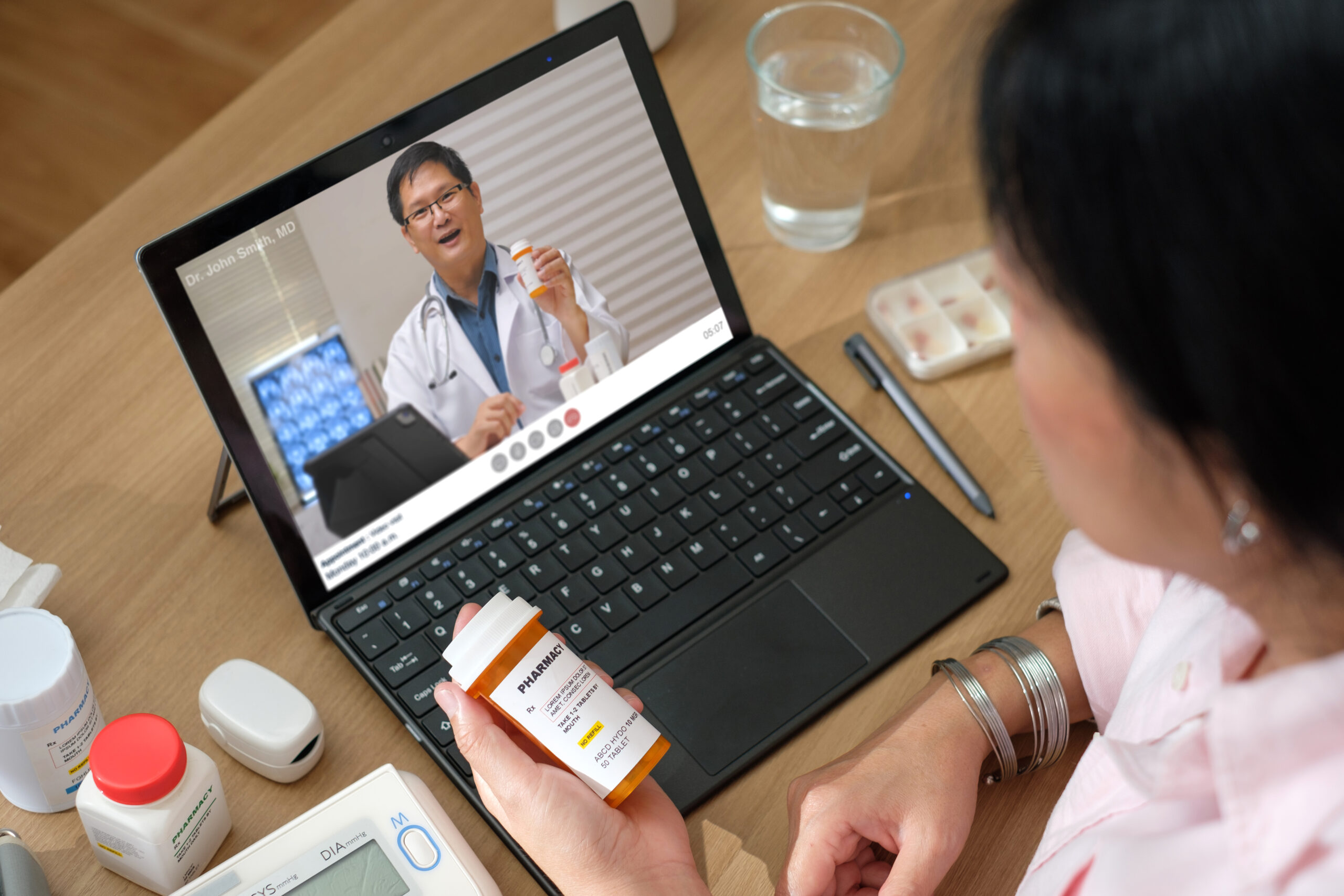
At times, the journey toward healing from opioid dependency can feel overwhelming, especially if we or a loved one are in the early stages of recovery. That is where opioid telehealth follow up becomes a vital resource—offering secure, convenient, and consistent support that can help bridge the gap between in-person treatment sessions. At Carolina Energetics, we understand how crucial it is to sustain continuity of care, maintain accountability, and receive personalized guidance throughout every phase of recovery. By incorporating telehealth into our medication-assisted treatment (MAT) services, we believe this innovative approach can serve as a lifeline for our collective healing.
Below, we will explore why we stand behind telehealth as a valuable follow-up tool, how it benefits those in recovery from drug or opioid dependence, and why Carolina Energetics is prepared to deliver the supportive environment and individualized care we all need to achieve a lasting recovery.
Recognize the vital need for continuity
When coping with opioid dependency, the path to wellness demands consistent engagement with healthcare providers. This continuity often involves regular appointments, medication monitoring, and therapy sessions that collectively form the backbone of our recovery plan. Historically, follow-up appointments could pose significant challenges—travel constraints, limited appointment slots, or personal commitments sometimes made in-person visits difficult.
However, with telehealth options, we do not have to sacrifice consistent support even if life is busy. Instead, we can benefit from one-on-one sessions, counseling, and prescriptions without leaving home. At Carolina Energetics, our goal is to ensure no individual has to choose between obligations—such as work, family, or other essential duties—and receiving the care necessary for lasting wellness.
The impact of consistent follow-up
- Improved medication adherence: Ongoing communication reduces the likelihood of missing doses or failing to refill prescriptions.
- Faster issue resolution: Rather than waiting for the next in-person appointment, we can address challenges or side effects promptly.
- Sustained connection: Regular check-ins foster a deeper relationship between our clients and the care team, cultivating trust and confidence over time.
By prioritizing continuity, both clinicians and individuals in recovery can more quickly identify changes in health progress, address any lingering challenges, and celebrate milestones as they arise.
Explore opioid telehealth follow up
Opioid telehealth follow up refers to the use of secure, virtual platforms that allow us to interact with healthcare professionals remotely, ensuring we have consistent access to high-quality care. Whether we need prescription refills, therapy sessions, or check-ins on withdrawal symptoms, telehealth provides an avenue to communicate with opioid dependency specialists efficiently.
This model of care benefits people recovering from various forms of opioid dependence. The convenience allows us to focus more energy on the healing process itself, rather than logistical hurdles like commuting or waiting in crowded lobbies. Using telehealth for follow-up care, we can continuously update our treatment plan based on our current status and any new goals.
Components of a telehealth follow-up session
- Secure video conferencing: Speak directly with providers in real time through private, HIPAA-compliant software.
- Healthcare monitoring: Track vitals, side effects, or reflections on everyday challenges in a streamlined manner.
- Goal setting: Reassess progress, establish new objectives, and fine-tune treatment strategies.
- Refill management: Receive prescriptions electronically to lessen the stress of traveling to a clinic.
Telehealth is especially impactful for those of us who have limited access to traditional healthcare facilities or live in rural settings. By leveraging our technological capacities, we can experience an uninterrupted continuum of care no matter where we are.
Highlight benefits for lasting recovery
The journey toward overcoming opioid dependency involves more than just managing physical dependence. It includes addressing mental health components, environmental factors, and personal life circumstances that contribute to substance use. By embracing an opioid telehealth follow up protocol, we enhance the likelihood of achieving lasting recovery through:
- Convenience: Telehealth removes barriers like transportation time and work schedule conflicts. This is especially beneficial for individuals who travel long distances to appointments or maintain demanding jobs.
- Increased frequency of care: We can schedule shorter, more frequent check-ins if needed, leading to more hands-on oversight of our medication-assisted treatment journey.
- Enhanced privacy: Some of us may feel more comfortable seeking help from our homes without fear of stigma or running into acquaintances in waiting rooms.
- Faster intervention: In the event of potential relapses or complications, telehealth allows us to promptly communicate changes with our clinical team and receive immediate guidance.
Furthermore, recurring telehealth appointments help us feel less isolated by maintaining a frequent connection to professional support. Over time, small adjustments to medication levels or therapy approaches can make a large impact on overall well-being, and telehealth follow-ups empower us to keep our momentum steady.
Examine Carolina Energetics’ approach
At Carolina Energetics, we strive to create an environment where compassion, expertise, and tailored treatment programs shine through. We believe in the power of empathetic, high-quality healthcare for individuals grappling with opioid dependency, and we use telehealth as a central tool in improving treatment outcomes. Our protocols combine evidence-based approaches, such as buprenorphine treatment and other forms of medication-assisted treatment, with flexible remote consultations.
Our guiding principles
- Comprehensive care: We integrate physical, emotional, and behavioral support to address each aspect of opioid dependency.
- Individualized plans: Every treatment plan is shaped by a clear understanding of an individual’s history, substance use patterns, co-occurring disorders, and personal goals.
- Supportive environment: We foster trust, encouraging individuals to honestly share concerns and triumphs during telehealth or in-person sessions.
- Consistency: Our telehealth model allows for regular monitoring, ensuring any upturns or downturns receive immediate attention.
We also understand that each journey has unique challenges. Men, for example, may face specific social expectations and pressures that influence their recovery. Meanwhile, those who are in various life stages—like new parents, adults juggling multiple commitments, or individuals who are geographically distant—benefit substantially from the convenience of remote follow-up sessions. Our team meets these needs by customizing every interaction with warmth, empathy, and clinical expertise.
Address medication assisted treatment
Medication-assisted treatment (MAT) is a well-established standard of care for opioid dependency that combines prescription medications with counseling and behavioral therapies. At Carolina Energetics, we leverage MAT to address withdrawal symptoms, reduce cravings, and encourage a return to normal daily functioning. Opioid telehealth follow up complements MAT seamlessly by granting consistent observation of medication efficacy.
Common elements of MAT
- Prescribed medication: These might include buprenorphine or other forms of FDA-approved opioid dependence treatment.
- Counseling: Therapy sessions aimed at developing coping strategies, emotional processing, and healthier decision-making.
- Behavioral therapies: Techniques such as cognitive behavioral therapy to reshape negative thought patterns and identify triggers.
- Monitoring: Ongoing check-ins, either through telehealth or in-person, to ensure that any medication dosage or therapy approach is up to date.
If we are currently receiving MAT, routine telehealth follow-ups can help our providers detect signs of improved stabilization or respond swiftly to difficulties. By monitoring our progress with reliable technology, we improve the safety and thoroughness of care.
Reassuring our family and friends
They might worry that distance-based care is less thorough or personal. However, thanks to HIPAA-compliant video conferencing and secure communication channels, telehealth consults have evolved into intimate and confidential sessions. We can have meaningful, two-way conversations with providers, share complex emotions openly, and maintain the fidelity of ongoing therapy.
Provide a supportive environment
For many of us, a major hurdle in opioid dependency treatment is overcoming shame or embarrassment related to our substance use. At Carolina Energetics, we value an environment where every person feels seen and understood. Many individuals falter when they fear judgment or lack of privacy—telehealth helps address these concerns by allowing us to receive professional help in a private, non-judgmental setting.
How support promotes engagement
- Builds self-confidence: A supportive environment nurtures greater self-esteem, making it easier to tackle challenges.
- Encourages honesty: Individuals can more openly discuss relapses, cravings, or obstacles when they do not feel blamed or criticized.
- Fosters perseverance: Hearing words of reassurance from medical staff helps many of us hold on to hope, even if setbacks arise.
From group therapy sessions to one-on-one telehealth calls, we emphasize empathy and understanding. Our staff members offer a listening ear and clinically informed guidance that instills a sense of validation and respect. For certain challenges that go beyond opioid use, we also refer or incorporate additional services such as co occurring disorder treatment to ensure a truly comprehensive approach.
Navigate vital resources
A robust telehealth program goes beyond remote check-ins. Carolina Energetics is devoted to connecting people in recovery with other invaluable services that reinforce progress and prevent relapse. Among these are:
- Opioid dependency treatment: Offers thorough support and a variety of options for medication management.
- Telemedicine suboxone program: Centers on effective use of Suboxone while providing real-time communication with clinicians.
- Buprenorphine induction appointment: Guides us through the introduction of buprenorphine, adjusting the dosage for safe transitions.
- Same day suboxone appointment: Helps individuals get treatment without facing lengthy waiting lists.
- Saturday telemedicine appointments: Ensures scheduling convenience for those with strict weekday obligations.
- Confidential opioid clinic: Reinforces our dedication to privacy, which often helps us stick to treatment.
We believe that connecting individuals to a spectrum of specialized resources allows them to more easily address each facet of their journey. Whether it is therapy, lab tests, or peer support, telehealth appointments can serve as a gateway for understanding and making the best use of available tools.
Coordinated care in action
For instance, if we have questions about adjusting medication dosages, we can schedule a telehealth consult right away. During that session, we might decide to undertake an on-site or remote urine drug screen covered insurance or arrange bloodwork covered insurance to confirm how our body is responding. The results can be reviewed during another follow-up appointment, and if we need extra support for cravings, we can consider opioid craving management therapy. All of these steps happen under one coordinated umbrella, reducing confusion and guesswork.
Find encouragement for healing
Sustaining sobriety has never been a solitary effort. From healthcare professionals and family to online communities of peers, forging connections can preserve a sense of hope and camaraderie. Telehealth merges professional oversight with personal motivation, reminding us that relapse prevention involves not just medication or counseling—rather, it includes emotional encouragement and a focus on wellness in all aspects of life.
Emphasizing mental and emotional health
- Holistic approach: Telehealth can incorporate strategies like mindfulness, guided relaxation, or referrals to specialized therapies like telehealth behavioral health support.
- Daily accountability: Virtual check-ins remind us we are being monitored and championed in real time.
- Personalized adaptation: We can communicate immediate concerns, such as increased stress, to adapt therapies on the spot.
Beyond the immediate sense of safety it provides, telehealth encourages a shift in how we perceive treatment itself—turning it from an occasional obligation into a consistent, integrated part of daily life. Over time, this leads to more seamless progress and fewer disruptions in the essentials of recovery.
Embrace specialized care for everyone
While our focus is often on men’s rehab centers and the unique challenges men face during recovery, Carolina Energetics welcomes individuals of diverse backgrounds. Opioid dependency spares no one based on age, gender, or social standing. Many of us confront social pressures, job-related stress, and family responsibilities that complicate the healing process. Telehealth remains a potent solution for bridging these varied needs.
Examples of specialized programs
- Subutex clinic for those who may not be good candidates for other forms of medication.
- Confidential opioid telehealth clinic to maintain privacy for anyone concerned about stigma.
- Opioid patient resource hub for individuals who appreciate having a centralized location for educational materials and community support.
- Young adult opioid treatment designed around the specific emotional and developmental needs of younger populations.
- Adult opioid treatment clinic for comprehensive care that caters to a wider demographic, including working professionals and parents.
Each of these examples highlights our commitment to tailoring the recovery process to every individual’s circumstances. From gender-specific approaches to special scheduling accommodations, telehealth enriches these programs by providing consistent follow-up and readily accessible resources.
Support necessary for lasting recovery
Many people assume that the hardest part of recovery is simply stopping use. In truth, forging a sustainable path forward can be even more challenging, demanding continuous self-awareness, vigilance, and reinforcement. Opioid telehealth follow up offers ongoing support to reduce the risk of relapse.
Key elements of consistent follow-up
- Tracking progress: Routine virtual sessions monitor overall well-being, medication effectiveness, and mental health stability.
- Adjusting action plans: Up-to-date insights help refine therapy approaches if individuals encounter stressors like job loss, grief, or conflict at home.
- Maintaining motivation: We often feel more inclined to stay on track when our healthcare team invests in our milestones, praising each small victory.
- Identifying red flags: Subtle signs of relapse or mental health struggles can be identified and addressed before they worsen.
Carolina Energetics leverages telehealth to amplify all these benefits. For some of us, an increased feeling of supervision brings peace of mind. For others, the ease of connecting from home helps remove logistical distractions. Across the board, we see that telehealth fosters an environment conducive to healing, reinforcing the values that keep us motivated to remain substance-free.
Prepare for emergency scenarios
Telehealth is not designed to replace urgent medical interventions, but it does equip us to respond swiftly in critical moments. In the event of acute relapses, severe side effects, or mental health crises, a telehealth platform can function as the first point of contact. We can request immediate feedback, gain clarity on whether to go to an emergency department, or reach out to specialized crisis lines.
Moreover, resources like free narcan distribution underscore our belief that harm reduction and prevention work hand in hand with long-term recovery. Naloxone, commonly known as Narcan, is an antidote for opioid overdoses. We regularly emphasize the importance of having overdose-reversal tools on hand for our communities. Telehealth consults can incorporate education sessions on using naloxone effectively, including references to our naloxone education resource.
Consider long-term opioid management
Chronic opioid dependency usually requires extended periods of care and support. Even after acute withdrawals have ended, lingering cravings, emotional distress, and potential triggers can persist. Through telehealth follow-up, individuals can receive ongoing therapy and medication management in alignment with their evolving physical and mental health situation.
Recommended continuing care strategies
- Opioid medication management plan: Ensures the correct dosages and prescriptions match current life circumstances.
- Opioid relapse prevention plan: Helps identify triggers, create coping strategies, and maintain accountability check-ins.
- Suboxone taper program outpatient: Gradually reduces medication doses in a carefully monitored way, minimizing discomfort and risk of relapse.
- Opioid treatment case management: A holistic approach that coordinates various medical and social services for a more seamless experience.
Carolina Energetics is equipped to keep us engaged in these long-term strategies using a combination of telehealth appointments and face-to-face visits as needed. By adjusting care over time, we can keep pace with the many changes that life inevitably brings, whether they relate to employment, shifts in social networks, or new mental health challenges.
Stay connected with ongoing support
At times, traveling to or scheduling frequent in-person appointments may not be feasible. That is why many of us benefit from consistent telehealth sessions, where our care teams adapt to everyday realities. Even if we move to a new address or face scheduling conflicts, that constant line of contact remains open and supportive.
Maintaining structured accountability
- Virtual therapy groups: Some clinics run group sessions online, allowing participants to share insights, triumphs, and hurdles from the comfort of home.
- One-on-one therapy: Personal telehealth appointments let us voice concerns privately, work through traumatic experiences, and learn new coping mechanisms.
- Check-ins with medical professionals: Whether it’s verifying lab results, adjusting prescriptions, or planning the next MAT steps, these appointments provide immediate clarity.
- Free educational webinars: Providers may host short sessions on topics like stress reduction, relapse triggers, and building positive routines.
For families and loved ones, telehealth can help them feel more involved in the process. They can sometimes join sessions (with our permission) to show support, ask questions, or learn how to encourage sober living at home.
Address financial or insurance considerations
Concerns about paying for treatment or verifying insurance coverage can deter many people from seeking the help they need. Because telehealth reduces overhead costs like transportation and clinic wait times, it can also represent a financially viable option in some cases. At Carolina Energetics, we offer resources such as insurance verified opioid clinic to help us understand coverage details better.
We also have cash pay suboxone clinic options for those who prefer an alternative arrangement. Our admissions team works with individuals to determine eligibility, glean insights into coverage solutions, and discuss any out-of-pocket fees.
Overcome barriers with flexible scheduling
It is not always possible for us to align our schedule with a traditional clinical timetable. We might be juggling caretaker responsibilities, holding multiple jobs, or living in a rural area. At times, the stigma around seeking help might discourage us from taking time off from work. To address these areas, we provide:
- Saturday telemedicine appointments: Ideal for those who cannot attend weekday sessions.
- Evening or extended hours: Telehealth expansions that cater to packed daytime calendars.
- Same-day consults: For acute questions or last-minute issues, same day suboxone appointment can be arranged.
This type of flexible scheduling means fewer missed or postponed sessions, resulting in more consistent support and thus a stronger commitment to recovery.
Bridge transitional stages with telehealth
Major life events, such as pregnancy or the postpartum period, can introduce unprecedented challenges. That is why Carolina Energetics extends specialized programs like pregnant opioid treatment program and postpartum opioid treatment program. Telehealth can assure ongoing care during these times when frequent travel might be difficult.
In addition, our telehealth services remain beneficial even if we have just completed a residential rehabilitation program or if we are shifting from inpatient to outpatient care. This consistent line of contact helps steady the transition and maintain momentum. We can discuss any unexpected challenges that arise from returning to daily life, such as triggers at work, stress at home, or changes in social circles.
Frequently asked questions
Below, we address five of the most commonly asked questions to clarify further how opioid telehealth follow up can benefit each of us.
- How do I know if telehealth is right for me?
Telehealth is best suited for individuals wanting consistent, reliable access to treatment without frequent in-person visits. If traveling is an obstacle or if you thrive on more frequent, shorter check-ins, telehealth may be an excellent choice. Most importantly, you should have a stable internet connection and sufficient privacy to ensure confidential communication. - How secure are telehealth appointments?
At Carolina Energetics, we use HIPAA-compliant telehealth platforms that encrypt all transmissions to protect your personal information. These secure digital tools ensure only authorized providers and individuals have access to medical details, preserving the right to privacy. - Can I still get medications like Suboxone through telehealth?
Yes. Through our telemedicine suboxone program, clinicians can assess your condition and prescribe necessary medications. Your prescription can be sent directly to a local pharmacy so you can pick it up or have it delivered. Telehealth also makes it easier to manage refills and dosage adjustments over time. - Does telehealth include mental health support?
Absolutely. By combining medication-based strategies with telehealth behavioral health support, we provide a well-rounded approach. Telehealth sessions can delve into therapy, stress management, and relapse prevention, addressing both the physical and psychological dimensions of opioid use. - Is telehealth more cost-effective than traditional in-person care?
It can be. Many of us appreciate the lower associated expenses, including reduced travel costs. Some insurance policies cover telehealth in the same way they cover in-person sessions. We encourage verifying coverage through an insurance verified opioid clinic. For those paying directly, cash pay suboxone clinic options can simplify the financial aspect.
Take the first step today
Opioid telehealth follow up is fundamentally an investment in our collective well-being. It provides the steel framework of consistency, empathy, and individualized attention needed to counteract the complex nature of opioid use disorder. By uniting convenience with comprehensive, evidence-based practices, Carolina Energetics offers a path to freedom from opioid dependency one marked by hope, resilience, and ongoing support.
In every avenue of care, we strive to cultivate an environment where each person’s experiences and goals are validated. Beyond prescriptions and therapy alone, we emphasize a holistic approach to wellness, from preventing relapse to embracing new opportunities for meaningful growth. Whether you are seeking help for yourself or someone close to you, telehealth can serve as a powerful tool to remain connected, engaged, and optimistic throughout the recovery process.
We encourage you to consider how telehealth could integrate with your needs and priorities. If you or a loved one is looking for a reliable, empathetic treatment partner, Carolina Energetics is prepared to walk by your side—whether through remote appointments, specialized MAT services, or a blend of both. Together, let us take the first steps toward a future free from the chains of opioid dependence, guided by compassion, proven therapies, and the continuous support that telehealth follow-up care makes possible.