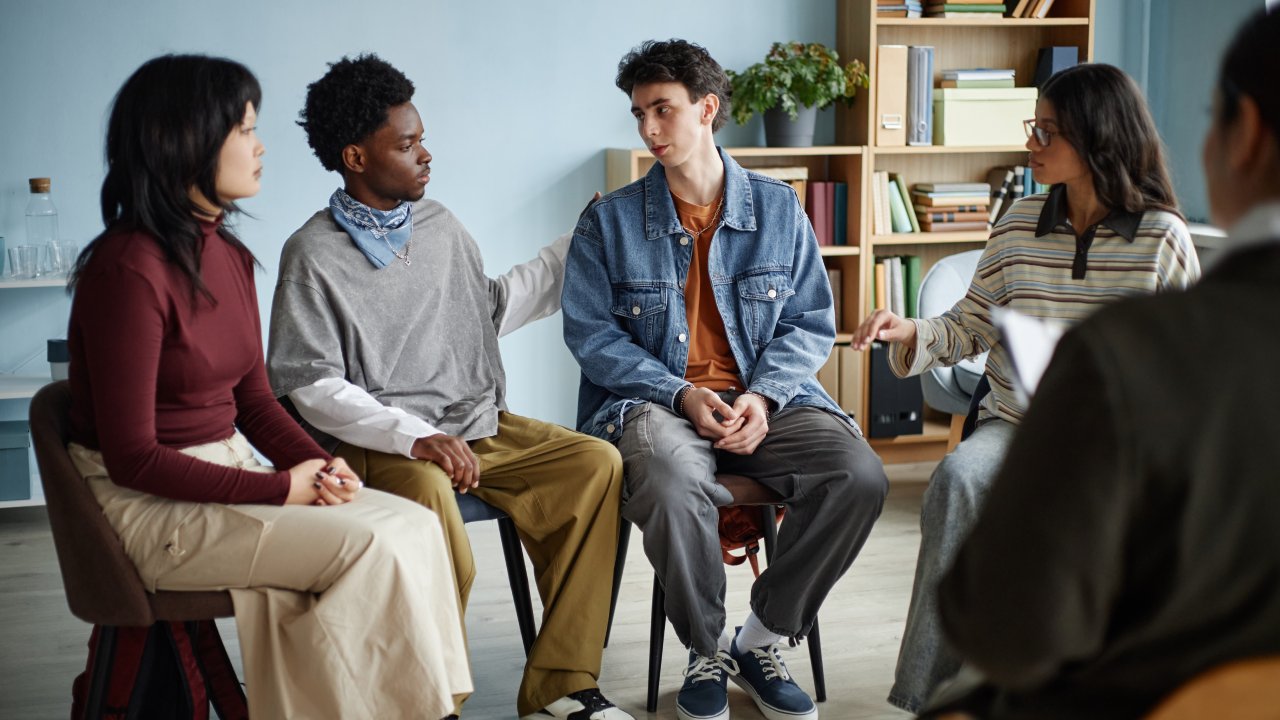

What a holistic recovery alumni network really means
When you finish active treatment or medication assisted treatment (MAT), you often discover that the hardest work is just beginning. A holistic recovery alumni network gives you a structured way to stay connected, keep learning, and protect your progress long after formal treatment ends.
Instead of seeing graduation as an endpoint, you are invited into an ongoing community that supports your mind, body, relationships, and sense of purpose. Programs like the holistic recovery alumni network in Indiana show how powerful this approach can be, offering continued support, accountability, networking, and access to resources that help you maintain long term sobriety [1].
At Carolina Energetics, this kind of long range support is at the heart of how you are encouraged to manage recovery. You are not expected to do it alone, and you do not have to figure it out from scratch.
Why alumni support matters after treatment
Even with a strong treatment experience, staying sober in real life is challenging. Daily stress, old triggers, and unexpected losses can build up quietly. Alumni programs exist because it is normal to need ongoing structure and support.
Holistic alumni networks around the country emphasize several key realities that also shape how you are supported after MAT:
- Many people feel isolated once intensive treatment ends
- Relapse risk often rises in the first year after discharge
- Continued contact with peers and providers improves long term outcomes
For example, Reco Institute describes alumni networks as a core strategy for better recovery results, using peer support and community engagement to increase your chances of maintaining sobriety after residential treatment [2]. This same logic applies when you complete MAT, detox, or outpatient care and step back into everyday life.
Core elements of a holistic recovery alumni network
A holistic recovery alumni network is more than a mailing list or occasional social event. It is a structured environment where you can:
- Stay connected to people who understand your history
- Keep learning about opioid dependency, mental health, and relapse prevention
- Practice new life skills in a safe and sober community
- Give and receive support as your life circumstances change
Programs like the holistic alumni network in Indiana combine relapse prevention strategies, life skills training, and personalized aftercare support to help you move toward a stable, substance free life [1]. The same principles guide effective alumni services for MAT graduates.
A holistic approach looks at the whole picture: your physical health, emotional needs, social connections, and long term goals. That is why alumni networks often bring together education, groups, community service, and recovery friendly social activities in one integrated framework.
How ongoing peer support strengthens your recovery
Peer support is one of the most powerful features of any alumni network. When you stay in regular contact with people who have walked a similar path, you gain:
- Accountability that feels mutual instead of forced
- Encouragement from people who know what cravings and setbacks feel like
- Real time examples of what sustained recovery can look like
Reco Institute highlights a “buddy system” model where alumni in stable recovery are paired with people in early recovery stages, creating steady accountability and guidance for both sides [2]. You can find a similar spirit of partnership in a structured peer accountability recovery program or within an opioid dependency peer mentoring network.
If you received buprenorphine or Suboxone as part of your MAT, you may benefit especially from focused peer spaces such as a peer support program for suboxone patients or buprenorphine alumni support meetings. These groups give you a place to talk openly about dose changes, side effects, stigma, and long term maintenance.
Many alumni networks also use digital tools to keep you connected between in person meetings. Reco Institute, for instance, uses social media groups, dedicated apps, and online forums to support continuous engagement and peer contact beyond treatment graduation [2]. You can mirror this approach through scheduled alumni check in telehealth appointments and virtual support groups when travel or schedules get in the way.
Education as a lifelong relapse prevention tool
Your understanding of opioid dependency and recovery should not stop at discharge. In fact, the more you learn after treatment, the better equipped you are to recognize risks and protect your progress.
Ongoing education within a holistic recovery alumni network often includes:
- Refreshers on how opioid dependency affects the brain and body
- Training in specific support group relapse prevention tools
- Workshops on coping with stress, grief, and transitions
- Classes on communication, boundaries, and healthy relationships
The holistic alumni network in Indiana identifies life skills training in communication, problem solving, and coping mechanisms as key components of long term success [1]. You can access similar content through opioid dependency education for mat clients and specialized relapse prevention education mat options tailored to medication supported recovery.
Education is equally important for the people around you. When your partner, family members, or close friends understand the nature of opioid dependency and how MAT works, they are better prepared to support you. That is where targeted opioid dependency education for family members becomes a valuable extension of the alumni network.
Structured groups that keep you anchored
Consistency is crucial in long term recovery. Even if your schedule gets busy, maintaining a regular rhythm of connection can make the difference between noticing a problem early and getting caught in a downward spiral.
Your alumni network may offer:
- Weekly or biweekly mat alumni group sessions
- A local community mat support group that you can attend long term
- Specialized topic groups focusing on trauma, grief, or relationships
- Gradual step downs in intensity rather than an abrupt stop
Ashley opioid dependency Treatment points out that alumni programs help you maintain sobriety by providing advice, encouragement, and sober social opportunities such as 12 step meetings and social outings, all of which reduce relapse risk by addressing social isolation [3]. Regularly scheduled MAT friendly alumni sessions serve a similar purpose, particularly if you are still managing medication changes or long term maintenance.
If you are using long acting medication such as Sublocade, a structured sublocade patient success program combined with alumni groups can give you a clear support plan for each month between injections, including how to respond if cravings or mood changes show up.
Integrating MAT into long term recovery
Medication can be a critical part of your recovery plan, but it is rarely the only part. A holistic alumni network helps you treat MAT as one tool among many, rather than a complete solution on its own.
You might use alumni services to:
- Revisit and adjust your mat maintenance and relapse prevention strategies over time
- Explore whether long term suboxone maintenance care is right for you or whether tapering makes sense
- Stay connected with a structured mat program continuing care pathway that keeps your medical and emotional needs aligned
External programs like the Empower Recovery Center Alumni Program show what comprehensive support can look like when you combine medical, counseling, job training, housing assistance, legal aid, and emotional wellness activities into one extended continuum of care [4]. While your specific services may differ, the same principle applies. You benefit most when your medication plan lives inside a broader framework of education, community, and life planning.
Community, service, and sober social life
Long term recovery is about more than not using substances. It is about building a life you actually want to stay present for. Holistic alumni networks recognize this and invest heavily in community building, service, and sober fun.
Ashley opioid dependency Treatment notes that many alumni networks engage you in community based volunteer work, which helps foster purpose, gratitude, empathy, new skills, and a sense of belonging [3]. You can tap into similar experiences through:
- Organized community events for mat recovery like picnics, hikes, and holiday gatherings
- Ongoing community outreach opioid dependency awareness efforts where you share your story or help educate others
- Service based opportunities in an opioid dependency peer mentoring network
Alina Lodge describes how alumni programs bring to life the concept of service emphasized by AA cofounder Bill Wilson, showing that giving to others enriches your own recovery and supports long term sobriety [5]. When you show up for newcomers, volunteer at events, or participate in outreach, you are not just helping others. You are reinforcing your own commitment and identity as a person in recovery.
Adapting support as your life changes
Your needs will not stay the same over the months and years after treatment. A strong alumni network is flexible enough to grow with you.
Enlightened Recovery, for example, highlights how its alumni program adapts to life changes by connecting you to therapy, support groups, and job assistance as needed, all coordinated by an alumni coordinator who understands your history [6]. At Carolina Energetics, a similar philosophy guides services like:
- recovery management program north carolina options that help you adjust your plan as work, family, or health circumstances shift
- alumni check in telehealth appointments that make it easier to stay connected if you move, change jobs, or have limited transportation
- mat graduation support resources that help you transition from structured treatment into the alumni phase without feeling like you are “on your own”
The goal is not to keep you in high intensity services forever. Instead, the aim is to give you an accessible ladder of support that you can climb up or down as life demands change.
Technology, access, and staying connected from anywhere
Geography and schedules should not determine whether you get support. That is why many alumni networks are expanding digital options alongside in person programming.
Reco Institute uses social media, dedicated apps, and online forums to keep alumni connected beyond local meetings, which allows you to participate in peer support regardless of where you live [2]. You can mirror this flexibility through:
- Regular virtual community mat support group sessions
- Online mat alumni group sessions that fit around work and family responsibilities
- Short alumni check in telehealth appointments for accountability and early intervention
This kind of hybrid model is especially useful if you travel often, live in a rural area, or prefer a blend of in person and virtual contact. The key is to build a predictable rhythm of connection so that you are not relying solely on willpower or waiting until a crisis appears.
How to make the most of your alumni network
A holistic recovery alumni network is most effective when you engage with it actively. You do not need to attend every event or join every group, but you do benefit from a deliberate plan.
You might start by:
- Choosing at least one ongoing group
This could be your primary mat alumni group sessions, a community mat support group, or another regular meeting where people know you by name. - Scheduling periodic educational touchpoints
Plan to revisit opioid dependency education for mat clients resources or sign up for new relapse prevention education mat workshops every few months. Treat education as maintenance, not a one time requirement. - Building a small circle of accountability
Use a peer accountability recovery program or informal buddy system to ensure there are at least two or three people who will notice if you pull back or struggle. - Exploring service when you are ready
When your footing feels more stable, consider joining an opioid dependency peer mentoring network or volunteering at community events for mat recovery. Service can deepen your sense of belonging and purpose. - Reviewing your plan at key milestones
Revisit your mat maintenance and relapse prevention plan and broader goals at graduations, anniversaries, or life transitions. The recovery management program north carolina framework can help you reevaluate what support level you need at each stage.
The most powerful alumni networks are not passive clubs. They are living communities that you help shape, and that shape you in return.
Taking your next step with Carolina Energetics
You worked hard to reach this point in your recovery. A holistic recovery alumni network is there to help you protect that investment, learn new skills, and keep growing long after the formal MAT phase ends.
By combining structured groups, ongoing education, peer mentoring, community events, and flexible continuing care options, you can build a support system that fits your reality rather than expecting your life to fit a rigid program.
Whether you are approaching graduation or looking to reengage after time away, you have options. You can:
- Reconnect through mat program continuing care
- Explore focused support like long term suboxone maintenance care or the sublocade patient success program
- Join alumni specific spaces such as mat alumni group sessions or a community mat support group
Your recovery does not end when treatment does. With the right alumni network behind you, it can become a stable, sustainable part of your life, one day, one connection, and one decision at a time.