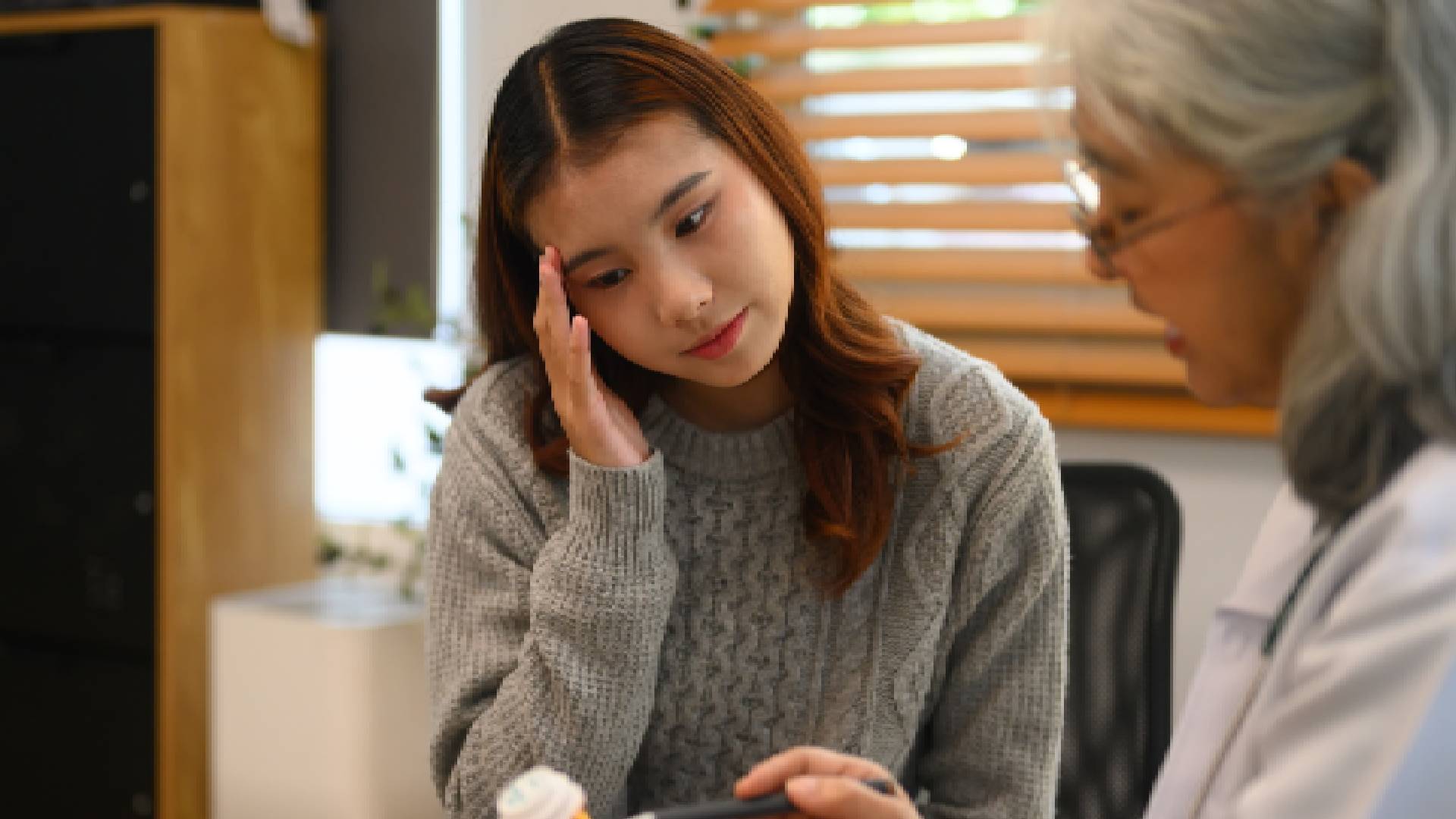

At Carolina Energetics, we know how important it is for individuals to receive help that genuinely supports their path toward lasting recovery from opioid dependency. When we discuss treatment options, one of the most impactful approaches is buprenorphine treatment. This medication-assisted program can help us or our loved ones manage withdrawal symptoms, reduce cravings, and restore a sense of stability in everyday life. By combining buprenorphine with counseling and support resources, we can develop healthier patterns, address underlying challenges, and rediscover a life where hope and growth guide each day. In this article, we will explore the fundamentals of buprenorphine, examine why medication-assisted treatment (MAT) is effective, and highlight how Carolina Energetics aims to provide the supportive environment needed for lifelong change. Together, we can learn about the unique benefits of buprenorphine and see why this evidence-based avenue of care may be the right choice for our family or ourselves.
Understanding buprenorphine treatment
To fully appreciate how buprenorphine can transform our lives, it helps to break down what it is and why it matters. Buprenorphine, an opioid partial agonist, alleviates withdrawal symptoms without causing the same level of euphoria as drugs like heroin or high-dose opioids. By used in a structured setting—often as part of an opioid dependency treatment—it can stabilize brain chemistry and give us the clarity to focus on the deeper issues contributing to substance use.
How partial agonists work
A partial agonist does not fully stimulate the receptors in our brain in the same way that powerful opioids do. This means it can reduce the intensity of withdrawal symptoms and cravings, while also minimizing the risk of significant respiratory depression that full agonists can cause. In simpler terms, buprenorphine can provide relief from disruptive withdrawal experiences, offering us the space to begin rebuilding our health and sense of control.
Key benefits of buprenorphine
- Reduced cravings: By binding to the same receptors that stronger opioids target, buprenorphine helps lessen the compulsion to use.
- Fewer withdrawal symptoms: This medication can help us cope with the painful process of detox, making it more manageable.
- Decreased risk of misuse: Buprenorphine’s ceiling effect reduces the potential for overdose.
- Better focus on therapy: Managing cravings frees up energy for counseling, peer support, and our overall treatment program.
Because buprenorphine does not spark the same extreme highs as other opioids, it paves the way for us to function more effectively in daily life. When paired with consistent monitoring and additional support—such as the services available through our subutex clinic—it can provide the foundation we need to dive deeper into the root causes of opioid dependency. Ultimately, buprenorphine fosters both the physical and mental stability that helps sustain us throughout recovery.
Recognizing MAT benefits
Medication-assisted treatment is a comprehensive framework that combines FDA-approved medications (like buprenorphine), counseling, and behavioral therapies to help individuals recover from opioid dependency. While buprenorphine is a significant tool in MAT, our success also depends on pairing it with supportive resources. From peer groups to one-on-one counseling sessions, MAT helps us navigate the complexities of drug dependency in constructive ways.
Why a combined approach matters
Opioid dependency is rarely a simple, one-dimensional issue. It often involves psychological, social, and sometimes economic factors that create barriers to a healthier life. We believe combining medication with counseling and therapy speaks directly to these multiple dimensions. Tailored treatment programs cater to our specific triggers—whether related to stress at work, family dynamics, co-occurring mental health issues, or even the stigma attached to opioid dependency.
- Medication reduces cravings, making relapse less likely.
- Therapy addresses the psychological causes of substance use.
- Support groups foster camaraderie, providing a sense of belonging.
- Resources like medication assisted treatment outpatient sessions and telehealth services ensure consistent follow-ups.
MAT beyond withdrawal
A common misconception is that MAT simply helps with detox. In reality, it is multifaceted. Successful programs often include:
- Telemedicine suboxone program for consistent care.
- Individual or group therapy to address underlying behaviors.
- Education about relapse prevention, coping mechanisms, and healthy lifestyle changes.
- Ongoing medication management, which may include same day suboxone appointment access.
By looking beyond withdrawal alone, MAT instills a renewed belief in our capabilities. We gain tools to navigate cravings, emotional triggers, and the many ups and downs of life in recovery.
Explore Carolina Energetics services
At Carolina Energetics, our focus is on building a recovery environment that understands and acknowledges our individuality. We never believe in a one-size-fits-all approach. Instead, we strive to provide the support necessary for lasting recovery by tailoring solutions to each person’s situation.
Our commitment to accessibility
For many of us, simply accessing treatment can be a hurdle. Family obligations, work, or location can make in-person sessions challenging. That is why we offer a range of telehealth options, including saturday telemedicine appointments, to accommodate varying schedules. We partner with insurance providers to make sure costs are manageable—including coverage for certain necessities like urine drug screen covered insurance and bloodwork covered insurance. This commitment to accessibility helps remove many of the barriers that can interrupt or deter recovery.
Ensuring compassionate care
Empathy is crucial when tackling opioid dependency issues. Our team emphasizes confidential communication and interventions that promote a non-judgmental atmosphere. Whether we are scheduled for an in-person visit or a telehealth follow-up, we respect one another’s needs and aim for honest discussions about our experiences. This approach often eases the anxiety many of us feel about seeking help, and can foster a sense of safety, connection, and empowerment.
Specialized offerings
- Free narcan distribution to help prevent fatal overdoses.
- Opioid withdrawal management program that pairs medical supervision with emotional support.
- Buprenorphine induction appointment arranged safely to ensure correct dosage and minimize potential side effects.
- Naloxone education resource that teaches us how to administer naloxone effectively.
We may also need assistance with co-occurring mental health issues, postpartum challenges, or concerns about privacy. Carolina Energetics keeps these nuances in mind, offering programs like a confidential opioid clinic or pregnant opioid treatment program to ensure we always feel heard and protected during our journey.
Manage stigma and challenges
Stigma remains an obstacle for many seeking treatment for opioid dependency. We often worry about being judged, misunderstood, or mislabeled by those who do not understand the complexities of substance use disorders. Recognizing these challenges is the first step toward overcoming them.
Deconstructing the stigma
- Fear of judgment: Many of us avoid seeking help due to concerns that society will negatively label us.
- Misconceptions: People sometimes think recovery is just “willpower,” but in reality it often requires professional intervention, especially when opioids are involved.
- Shame: Feelings of guilt can hinder our willingness to remain open and honest about our struggles.
At Carolina Energetics, we emphasize empathy and a non judgmental opioid treatment approach. Our team understands how these challenges intersect with individual life experiences. Overcoming stigma begins when we reframe opioid dependency as a medical condition with psychological and social underpinnings. By viewing ourselves and each other with compassion, we create a supportive space that allows us to explore vulnerabilities without fear.
Community support
It helps to build networks of people who are on a similar path. Whether we join group therapy sessions, participate in community events, or seek online resources, connecting with others reduces isolation. Shared experiences remind us that we are not alone. This sense of community can be a powerful motivator to continue therapy and remain engaged in our recovery plan.
Highlight specialized approaches
Buprenorphine alone, while effective, works best when integrated into a more complete plan of care. Specialized programs can address unique triggers or lifestyle factors we face. For instance, young adults may have different social pressures compared to older individuals. Parents in recovery may face distinct stressors balancing caregiving with self-care. Through specialized approaches, we ensure that each segment of our population receives the help it needs.
Programs for different life stages
- Young adult opioid treatment focuses on academic pressures, career exploration, or identity struggles that can influence relapse risk.
- Adult opioid treatment clinic offers flexible scheduling for working professionals, combining therapy sessions with career guidance.
- Pregnant opioid treatment program and postpartum opioid treatment program specifically address the physical and emotional demands of pregnancy and caring for a newborn while managing recovery.
Programs for co-occurring disorders
Conditions such as depression, anxiety, or PTSD can deepen the cycle of opioid dependency. Untreated mental health disorders might keep us reliant on substances to self-medicate. That is why we take a comprehensive approach that includes co occurring disorder treatment. We provide counseling, psychiatric referrals, and medication management all in one coordinated framework. This way, we treat the entire person, not just the opioid dependency.
Use comprehensive care strategies
Carolina Energetics focuses on multiple methods to assure well-rounded support. On top of medication, therapy, and peer support, we provide resources that position us to make healthier choices each day.
Regular medical evaluations
Our health status plays a critical role in recovery. Under-medication can leave us vulnerable to relapse, while over-medication may lead to dependence. We use thorough evaluations—often combined with insurance verified opioid clinic benefits—to continually monitor our progress. This monitoring includes:
- Reviewing medication doses.
- Checking vital signs.
- Evaluating mental and emotional well-being.
- Updating individualized care plans as needed.
Telehealth and remote care
If in-person visits are not feasible because of work, distance, or health obstacles, we can utilize telehealth behavioral health support. Online sessions give us direct access to counselors, medical professionals, and peer groups. Timely follow-ups are critical to maintaining momentum in recovery, so we make it simple to schedule opioid telehealth follow up appointments. In these sessions, we can openly discuss any side effects, new triggers, or other concerns that need immediate attention.
Building healthy coping skills
Relapse prevention is a cornerstone of long-term recovery. We explore techniques such as mindfulness, stress management, and structured day planning. Many patients also incorporate spiritual or holistic methods—like meditation, gentle exercise, or art therapy—to reconnect with healthier ways of self-expression. Over time, these coping skills become daily habits that fortify us against cravings and destructive thought patterns.
Address co-occurring conditions
A significant portion of those with opioid dependency also struggle with mental health disorders, such as anxiety, depression, or PTSD. We should never overlook these realities when shaping an effective recovery plan.
Why integrated care matters
When we divide mental health care from opioid dependency treatment, we risk missing key triggers that perpetuate substance use. Co-occurring conditions often feed off one another, leading to a cycle of emotional distress and increased cravings. This dynamic highlights the importance of integrated or dual-diagnosis treatment. By examining substance use and psychological health holistically, we address our full range of symptoms, enabling deeper healing.
What integrated treatment looks like
- Coordinated sessions: Therapists and providers communicate regularly about medications, therapeutic progress, and emotional well-being.
- Medication management: Adjustments may be made to ensure that any mental health prescriptions do not conflict with buprenorphine, and vice versa.
- Skill-building: Cognitive Behavioral Therapy (CBT) techniques help us manage anxiety or depression symptoms in tandem with cravings.
- Group therapy: Fellow participants with similar challenges often provide peer-driven insights, especially beneficial for co-occurring disorders.
Finding a single facility that offers mental health counseling, medication-assisted treatment, and continuous monitoring simplifies the process of healing. It also reduces the likelihood of lost information between providers, ensuring continuity of care.
Sustaining long-term recovery
Opioid dependency recovery does not end once detox is complete or cravings subside. Maintaining lifelong sobriety involves a thoughtful plan that keeps us engaged with ongoing support systems. The right environment—whether it is regular therapy, 12-step participation, or community social groups—cultivates accountability and fosters stronger mental health.
Importance of follow-up
Frequent check-ins, whether in person or via telehealth, keep us updated on changes in our mental health, life circumstances, or medication needs. Programs such as opioid medication management plan and opioid treatment case management encourage a sense of structure. We can set achievable goals, celebrate milestones, and stay proactive in adjusting our plan to our evolving needs.
Relapse prevention planning
No journey is perfect. We might encounter stressful life events or triggers that test our resilience. A strong opioid relapse prevention plan often involves:
- Identifying personal triggers or high-risk situations.
- Creating an emergency contact list of supportive people or resources.
- Maintaining open communication with a therapist or case manager.
- Leveraging local or virtual support groups.
By affirming that relapse is not a failure but rather a signal to reevaluate our coping mechanisms, we keep hope alive. With every step forward, we reinforce the mindset that sustained recovery is possible and that lapses are opportunities for renewed learning.
Peer and community support
Communities play a huge role in shaping our perspectives. Through local or virtual group therapy sessions, we can connect with others who empathize with our trials. Exchanging insights, offering encouragement, and sharing successes bring a sense of unity and mutual accountability. Over time, these relationships can become invaluable anchors, steadfast in times of crisis and buoyant in times of progress.
Conclusion and next steps
We know that embarking on the road to sobriety can be daunting, especially given the social and emotional weight of opioid dependency. Yet, buprenorphine has consistently proven to be a pivotal resource in promoting balance and restoring normal functionality in everyday life. At Carolina Energetics, we strive to ensure that this medical pathway is accompanied by comprehensive care: counseling, mental health support, as well as the flexibility and compassion that honor our unique stories.
From cash pay suboxone clinic options to specialized programs for pregnant mothers, from integrated counseling to ongoing medication management, we do our best to cover every angle of recovery. We also value transparency, so whether we are exploring a suboxone taper program outpatient or a holistic opioid treatment program, our priority is to champion open communication and respect the pace at which each one of us progresses.
By acknowledging the profound effects of medication-assisted treatment, harnessing the strength of community, and simultaneously treating any existing mental health issues, we create a lasting blueprint for wellness together. Taking the first step might feel overwhelming, but that is exactly why we are here: to stand beside you, your family, and anyone else ready to embrace a life guided by hope and self-discovery.
Answering common questions
Below are some frequently asked questions about buprenorphine and its role in MAT. We know that even with thorough research, many of us still yearn for straightforward information to feel confident moving forward.
1. How long do I need buprenorphine?
The duration of buprenorphine use can vary. Some of us might only need it for a few months, while others benefit from longer-term maintenance. A tailored plan, developed with medical professionals, ensures that dosage and length of treatment match our changing needs.
2. Is buprenorphine the same as Suboxone?
Suboxone contains buprenorphine and naloxone, which helps discourage misuse. While buprenorphine can be prescribed as a standalone medication, many MAT programs use a combination product like Suboxone to boost safety. Our exact prescription depends on healthcare provider recommendations.
3. Can I take buprenorphine if I have co-occurring disorders?
Yes. In fact, managing both opioid dependency and mental health concerns simultaneously often leads to better outcomes. A coordinated plan—like those involving co-occurring-disorder-treatment—can help us address both issues in tandem, reducing the risk of relapse and improving overall quality of life.
4. Will buprenorphine make me high?
Buprenorphine is a partial agonist, which is designed to reduce cravings and withdrawal without inducing the same strong euphoria that full opioids do. When correctly administered, buprenorphine usually helps us feel more stable, not “high.”
5. What if my situation changes and I move?
Medication-assisted treatment can continue in a new location as long as we find another provider or telehealth option that can prescribe buprenorphine. We can look for local clinics offering opioid dependency evaluation salisbury services or a confidential opioid telehealth clinic to maintain our progress.
We hope these insights clarify the potential of buprenorphine and how it integrates into a broader system of care. If any questions remain, or if you are considering next steps, reach out to us at Carolina Energetics. We are here to help guide you on a path to better health and renewed hope through our opioid treatment hotline info or in-person appointments. Remember, the road to recovery becomes more manageable when we walk it together.