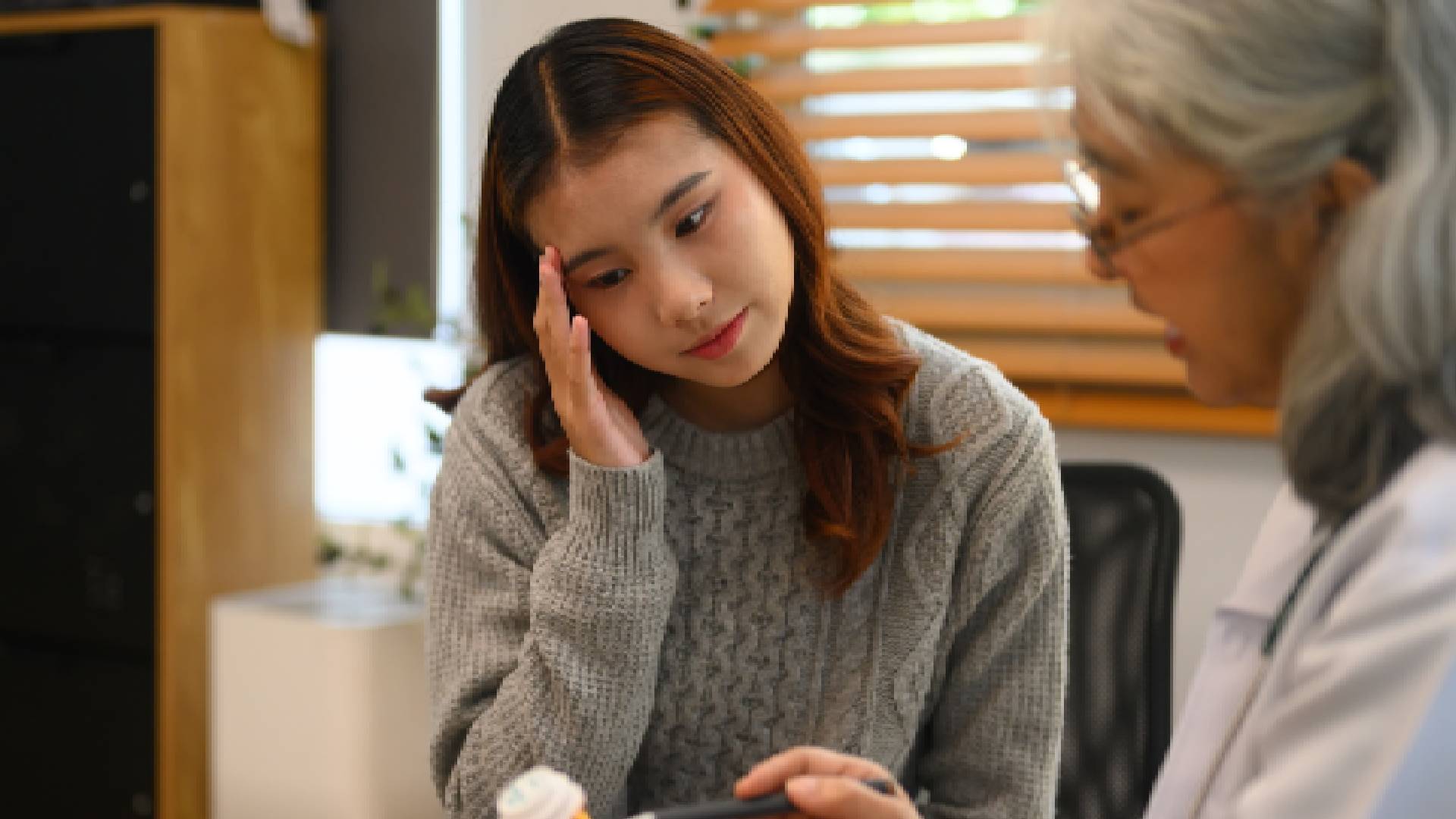

We understand how daunting it can be to seek help for opioid dependency. This is why we place so much trust in the opioid patient resource hub as a foundation for finding solutions. At Carolina Energetics, our goal is to offer comprehensive care that acknowledges each person’s unique challenges, including any underlying mental and physical health issues that can make recovery more complex. By combining evidence-based medical approaches with a compassionate and supportive environment, we believe we can create a path toward lasting change.
Below, we share the philosophy and structure behind our commitment to Medication-Assisted Treatment (MAT) services, and how our experience has shown us the tremendous impact of resources tailored specifically to those battling opioid dependence. Drawing from our own journey, we outline the critical elements—such as addressing societal expectations, building trust through empathy, and offering convenient services like telemedicine—that make all the difference for individuals striving to overcome opioid dependency.
Understanding the opioid patient resource hub
The term “opioid patient resource hub” refers to a platform or center of information and services dedicated to guiding individuals along their recovery journey. We rely on this kind of hub to stay informed about the latest strategies, research, and best practices. In our experience, it ensures we never lose sight of the bigger picture: fostering overall well-being and empowering every person to take steps that lead to a healthier, substance-free life.
Why access to thorough resources matters
When it comes to opioid dependency, credible information is vital. So many of us have faced overwhelming amounts of misguided or conflicting medical advice, which can delay the healing process. By turning to a reliable resource hub, we tap into current data on medications like buprenorphine, up-to-date therapy protocols, and real-time updates on evolving policies in opioid dependency medicine. This allows us to stay proactive in refining our own services, whether someone needs an opioid dependency treatment plan, in-depth counseling, or support with co-occurring mental health conditions.
These comprehensive resources also help us build stronger connections with healthcare providers, nonprofits, and support groups that work specifically with men’s issues or other populations. In doing so, we can adapt our approaches for individuals who need specialized attention. For some, the biggest obstacles involve shame and stigma; for others, it’s the challenge of balancing work, family, and treatment schedules. With the information in a resource hub, we can craft interventions for a range of situations.
Tailoring solutions for diverse experiences
Not everyone responds to the same therapy model. The best resource hubs highlight numerous treatment options—from inpatient facilities to outpatient programs—for a personalized experience. We consistently discover that medication alone is rarely sufficient. True healing involves integrating counseling, mindfulness techniques, and peer support. This holistic view not only addresses withdrawal symptoms, but also encourages long-term relapse prevention. Our co occurring disorder treatment program, for example, acknowledges that mental and emotional challenges can significantly influence a person’s response to recovery strategies.
Staying informed empowers both us as providers and those who trust us to guide them. By merging a resource-rich approach with empathy and accountability, we see people break the cycle of opioid dependency and reclaim a sense of control over their future.
Commitment to MAT services
Medication-Assisted Treatment (MAT) is at the heart of what we do. When combined with comprehensive counseling and care, MAT can give people the support necessary for lasting recovery. In our experience, more individuals overcome withdrawals and cravings with fewer disruptions to daily life when we employ medications such as buprenorphine or Suboxone. These medications help regulate brain chemistry in a safer manner, reducing the severity of withdrawal symptoms and making rehabilitation more sustainable over the long run.
Recognizing stigma and misconceptions
Despite the proven benefits, some people are hesitant to embrace MAT, often due to misconceptions about becoming dependent on yet another substance. We know this fear first-hand, and it’s why we emphasize education about the science behind buprenorphine and Suboxone. These medications are carefully monitored, ensuring patients remain safe while mitigating destructive withdrawal cycles. With the knowledge provided both by our clinical staff and the resource hub, many of these doubts are addressed and resolved.
Moreover, MAT can be particularly crucial for individuals who have tried multiple treatment programs without success. We see how easy it is to lose hope after repeated relapses. By offering individualized medication management—whether it’s through buprenorphine treatment or a subutex clinic—we help instill optimism in those who previously felt they had run out of options. This is especially true for men who face pressure to “stay strong” or bury emotions that might otherwise lead them to seek help.
Supporting men’s specialized needs
Often, men report facing distinct challenges in stepping forward because of societal expectations that can discourage vulnerability. A resource hub helps us better understand and address these sensitive issues. Through programs that focus on men’s experiences, we witness positive changes in self-awareness and engagement with treatment protocols. MAT becomes more effective when men also participate in group therapy with peers, where open conversations about shame and accountability become catalysts for emotional growth. We believe that building a space where individuals feel truly seen and understood is one of the strongest ways to break down barriers to healing.
Focus on individualized support
Every detail of our approach centers around customizing treatment plans to the person in front of us. Instead of forcing rigid programs, we identify pathways that will be most comfortable and beneficial for someone’s lifestyle, commitments, and mental health needs. For instance, some find success through an opioid withdrawal management program that pairs carefully managed medication regimens with talk therapy; others require more intensive interventions like daily check-ins or peer-led support circles.
Building deeper trust
Meaningful transformation starts with trust. We work to earn that trust by ensuring every step of the journey is transparent, from screening processes and potential side effects of medications to discussing goals for therapy. Confiding in strangers can be scary, and that fear might be magnified for men who feel pressured to “handle problems on their own.” By consistently demonstrating empathy, accountability, and open communication, we create an environment that reduces anxiety and fosters honest conversations about triggers, family relationships, or co-occurring issues.
Where appropriate, we also encourage the involvement of loved ones, as family support can be pivotal in preventing relapse and reinforcing progress. We guide families on ways to communicate without judgment, becoming proactive partners in the recovery process. This synergy—between healthcare professionals, individuals, and their families—evolves into a robust support network that underpins long-term resilience.
Recognizing evolving recovery needs
Recovery is rarely linear. An individual might begin treatment focused on taming withdrawals but then discover unresolved emotional pain. Alternatively, someone could be performing well in outpatient therapy yet suffer a sudden life crisis that sends them spiraling back into old habits. By remaining flexible and staying updated on best practices through our “hub” of knowledge, we can adapt promptly to circumstances.
For instance, if a patient starts on one medication but develops side effects, we explore alternatives immediately instead of persisting in a plan that no longer serves them. Likewise, if insurance changes or a person’s job schedule shifts, we pivot to solutions like our telemedicine suboxone program or same day suboxone appointment to maintain treatment consistency.
Key services that empower recovery
We have found that multiple social and practical hurdles can keep people from seeking or staying in treatment. It’s why we combine convenient options—like telehealth—and core clinical services. By doing so, we lower barriers to entry and sustain people’s motivation throughout the recovery process.
Buprenorphine, Subutex, and Suboxone
Medications like buprenorphine (with or without naloxone) are staples in our toolkit. Subutex (buprenorphine without naloxone) can be especially helpful for pregnant or breastfeeding mothers, which is why we offer a specialized pregnant opioid treatment program. For other individuals, Suboxone might be the more appropriate choice due to its additional safeguard against misuse.
By tailoring medication plans to each phase of recovery, we can balance symptom relief with a gradual reduction in physical dependence, guided by ongoing evaluations. In each case, thorough medical supervision and counseling help patients understand how their medication works and how to address emotional challenges that arise during recovery.
Telehealth for accessibility
Particularly for those with busy schedules or mobility limitations, telehealth appointments have become game-changers. We can connect through video calls to discuss therapy progress, adjust prescriptions, or conduct mental health check-ins. This flexibility is crucial for individuals living in areas with limited in-person services or men who juggle multiple responsibilities and may worry about being away from home for long stretches. In many instances, telehealth also removes the fear of stigma when walking into a traditional clinic. By bridging technology with compassionate care, we aim to make healing more accessible and convenient, so nobody feels left behind.
Addressing co-occurring mental health concerns
Whether it’s depression, anxiety, trauma, or another mental health condition, co-occurring disorders increase the complexity of opioid dependency treatment. Through our integrated therapy model, we offer counseling, psychiatric care, and medication monitoring in a single continuum of support. For instance, individuals who join our opioid craving management therapy program usually discover that learning to cope with stress and triggers in a healthier way significantly reduces cravings. By not isolating opioid dependency from mental health, we see people develop strategies for overall emotional resilience, lowering the risk of relapse.
Benefits of Carolina Energetics
We often see that individuals thrive when they partner with a clinic that ensures comprehensive, inclusive, and judgment-free support. From insurance coverage to personalized treatment, Carolina Energetics aims to address each aspect of someone’s journey.
Working with your insurance and finances
Concerns about cost can deter people from seeking the care they need. We strive to minimize those worries by verifying insurance options whenever possible. This approach can significantly offset or even fully cover essential services, such as urine drug screen covered insurance and bloodwork covered insurance. For those without insurance or who prefer an alternative route, we offer a cash pay suboxone clinic model, ensuring transparency about out-of-pocket expenses. In our experience, providing multiple payment pathways helps people remain focused on their health rather than on financial stressors.
Non-judgmental care
Walking into a facility that feels clinical and impersonal can amplify fear and shame. We prioritize creating an empathetic environment, where everyone is treated as a whole person rather than a statistic. Whether it’s our staff at the front desk or our therapists leading group sessions, we celebrate progress without trivializing setbacks. Through our non judgmental opioid treatment approach, patients often find the courage to share deeper emotional truths, which can unlock transformative breakthroughs in therapy. By genuinely listening and validating experiences, we foster trust and a sense of community.
Extra support for pregnant and postpartum individuals
For pregnant women or new mothers battling opioid dependency, the stakes feel especially high. We coordinate maternity and medical services to ensure both mother and child remain safe. Multiple factors—from nutritional guidance to postpartum mood disorders—shape this vulnerable time. Our postpartum opioid treatment program is specifically tailored to address these considerations. We engage obstetricians and mental health specialists to develop a cohesive plan, knowing that the earlier someone gets help, the better the outcome for everyone involved.
Value of compassion in healing
Throughout our journey, we’ve seen how powerful empathy can be in supporting long-term recovery. Many individuals battling opioid dependency come from places of deep anguish, loneliness, or trauma. A resource hub can provide the technical information, but it’s compassion that truly motivates the willingness to accept help.
Reducing shame and blame
Society often attaches heavy judgment to people struggling with substance use, particularly when it comes to opioids. Many men, in particular, feel compelled to shield themselves from ridicule or maintain a certain image. By acknowledging that this isn’t a moral failing but a treatable medical condition, we help break down the walls of shame. Individuals start reorienting their self-image around growth, resilience, and hope—rather than guilt or self-deprecation.
In daily interactions, we use supportive language that prioritizes understanding over criticism. This consistent demonstration of kindness reshapes how a person sees themselves and their capacity for change. Over time, this shift in mindset leads to better engagement in therapy, improved adherence to medication, and increased openness to new coping strategies.
Fostering group support
Group therapy can be daunting. Admitting personal struggles in front of others can feel unsettling at first. However, many come to value the accountability and camaraderie these sessions create. Sharing experiences normalizes feelings of anxiety, regret, or overwhelm. Group members often learn from one another’s stories and see that relapses are not final endings but steps on a broader healing path. We also embrace gender-specific groups, recognizing that men might feel more comfortable speaking candidly about topics like masculinity and vulnerability without worrying about judgment from individuals who may not understand their experiences.
Addressing barriers to care
Despite the wealth of resources available, practical obstacles can still limit a person’s success in recovery. A major advantage of consulting a central “hub” is discovering diverse solutions to common barriers like schedule conflicts, lack of transportation, or fears about privacy.
Overcoming logistical concerns
Whether we’re arranging same day suboxone appointment visits, providing opioid telehealth follow up, or guiding someone to saturday telemedicine appointments, we want to fit treatment into real-life situations. This becomes especially relevant for working adults or young people who juggle academic, professional, and personal obligations. Knowing that your treatment center offers extended hours or virtual sessions can ease the pressure and keep recovery plans consistent.
Additionally, some men worry about taking enough time off work to focus on healing, particularly if they’re in physically demanding jobs. By leveraging telemedicine services, shorter counseling sessions, and more flexible scheduling, we see more individuals remain committed to treatment while still meeting day-to-day responsibilities.
Maintaining confidentiality
One reason people resist getting help is the fear of being labeled or judged by their colleagues, friends, or family. Our confidential opioid clinic ensures private appointments, discreet locations where possible, and strict data protection policies. While stigma continues to be a societal challenge, we believe fostering trust through confidentiality is key to encouraging people to come forward. When individuals know their treatment journey remains confidential, they’re more likely to engage fully, participate in group sessions, and stay the course.
Importance of patient education
We don’t just focus on medications and therapy sessions. We also believe that understanding the physiological and psychological underpinnings of opioid dependency is transformative. Knowledge offers a sense of control and can motivate someone to stick with recovery practices during challenging times.
Tools for relapse prevention
Relapse prevention often centers on four main pillars: recognizing triggers, developing coping strategies, building a supportive network, and having a plan for emergencies. We incorporate these into every step, offering resources like our opioid relapse prevention plan. For instance, if someone struggles with certain social settings, we might help them rehearse refusal skills or guide them on how to reframe negative thought patterns. Others benefit from additional mental health support such as telehealth behavioral health support. This continuous education is essential for reinforcing healthy responses to life’s inevitable stressors.
Emphasizing consistent follow-up
Ongoing engagement—whether through routine one-on-one meetings or facilitated support groups—ensures that patients never feel abandoned post-treatment. We frequently remind individuals how crucial it is to attend follow-up sessions. This might involve regular opioid medication management plan check-ins or opioid treatment case management for those who need extra help coordinating appointments with specialists. Consistency is particularly important for men, who often struggle to strike a balance between work, family demands, and self-care.
Collaborating on recovery goals
In our experience, recovery is most meaningful when individuals feel ownership over their treatment. We approach this in a spirit of collaboration rather than dictating rules or timelines. Together, we discuss personal goals that align with an individual’s values—like improving relationships, re-entering the workforce, or simply regaining stability.
Short-term and long-term milestones
Starting treatment can feel overwhelming. We reduce the stress by breaking down progress into manageable, achievable markers. For some, success might look like completing their first week with reduced cravings or navigating a high-pressure social event without a relapse. Mapping out these steps prevents the journey from feeling insurmountable, and each victory reinforces self-confidence.
Over the long term, we shift our focus to sustaining the progress made. This might involve stepping down doses smoothly through our suboxone taper program outpatient or transitioning to lifestyle interventions like regular exercise, balanced nutrition, or continuing therapy sessions. Each milestone signifies growth, and we celebrate these moments as testament to someone’s courage and determination.
Family and community ties
Recovery doesn’t exist in a vacuum. We encourage men and women alike to tap into safer social circles and community resources that reinforce healthy behaviors. Through local volunteer opportunities, faith-based groups, or recreational clubs, people in recovery can channel energy into positive activities that facilitate mental wellness. We make a point of collaborating with family members, especially in settings where men are breadwinners and might feel undue pressure. Families often require guidance on how to support recovery without enabling relapse. By teaching them constructive communication and boundary-setting, we ensure the healing environment extends beyond our clinic’s walls.
Our vision for future growth
We believe wholeheartedly that opioid dependency treatment should be accessible and adaptive. Over the next few years, we plan to expand telemedicine offerings, refine men-focused sessions, and collaborate with other specialists to enrich our continuum of care.
Breaking down stigma
Awareness campaigns targeting men and underserved communities can lower stigma and open more pathways to help. Whether it’s through education, social media, or collaborative events, we want everyone to feel comfortable coming forward. Continued stigma too often silences those who might be ready to change but are reluctant to appear “weak.” By normalizing open discussions about opioid dependency, we see more individuals stepping up to advocate for themselves and their peers.
Expanding telehealth and holistic care
As technology evolves, telehealth remains an integral part of our plan. Virtual consultations, digital group therapy sessions, and online educational modules help those who can’t access traditional programs. We also see holistic approaches such as mindfulness practices, nutritional counseling, and fitness routines becoming more embedded in recovery plans. We strive to remain at the forefront of these innovations, integrating them into our holistic opioid treatment program so we can continuously improve outcomes.
5 frequently asked questions
- What is the distinction between MAT and traditional abstinence-based programs?
Traditional abstinence-based programs rely on complete discontinuation of all substances without pharmacological support. Medication-Assisted Treatment, on the other hand, incorporates medications such as buprenorphine or Suboxone alongside therapy. In our view, MAT reduces the impact of withdrawal symptoms and cravings, making it more feasible for individuals to remain engaged in therapy. This approach is carefully monitored to avoid unwanted dependence and is customized to each person’s unique situation. - How do I schedule a same-day appointment if I need immediate help?
We offer a same day suboxone appointment option whenever possible, particularly for individuals who find themselves in urgent need of help. Simply contact our clinic to discuss the availability of immediate appointments, and our staff will guide you through the screening process. This service is designed to bridge gaps in care, especially at critical moments when timely intervention matters most. - What should I do if I’m pregnant and need opioid treatment?
Our pregnant opioid treatment program caters to the specific needs of expectant mothers at any stage of pregnancy. We work closely with obstetricians and mental healthcare professionals to balance the safety of both mother and baby. Medications like Subutex (buprenorphine) are often recommended due to fewer risks to the fetus, but we will work with you to find the most appropriate plan based on your current health status. - Is counseling essential alongside medication?
Yes, counseling often serves as the backbone of lasting recovery. Medication alone can assist with mitigating physical symptoms, but therapy addresses the emotional, psychological, and behavioral aspects of opioid dependency. This includes unpacking trauma, understanding triggers, and learning coping strategies. Engaging with a counselor or therapist—whether in-person or through telehealth—can substantially improve long-term outcomes. - Does insurance typically cover MAT services?
Many insurance plans include coverage for opioid dependency treatment, including medication and therapy sessions. We do our best to facilitate a smooth process through our insurance verified opioid clinic. If, for any reason, insurance does not apply, our team will outline self-pay or alternative payment options so you can make an informed decision about your care.
By integrating insights from a trusted hub of opioid patient resources and emphasizing empathy, personalized care, and evidence-based strategies, we believe we can provide the foundation for successful, long-term recovery. Everyone’s journey will look different, but with the right tools and support systems in place, we see tremendous transformation happen every day.
Our continued goal at Carolina Energetics is to remain at the forefront of innovative treatment methods, ensuring that every individual—whether a young adult just beginning to realize the scope of opioid dependency or a long-time sufferer seeking a new approach—can take the necessary steps toward health and well-being in a compassionate, trusted setting.