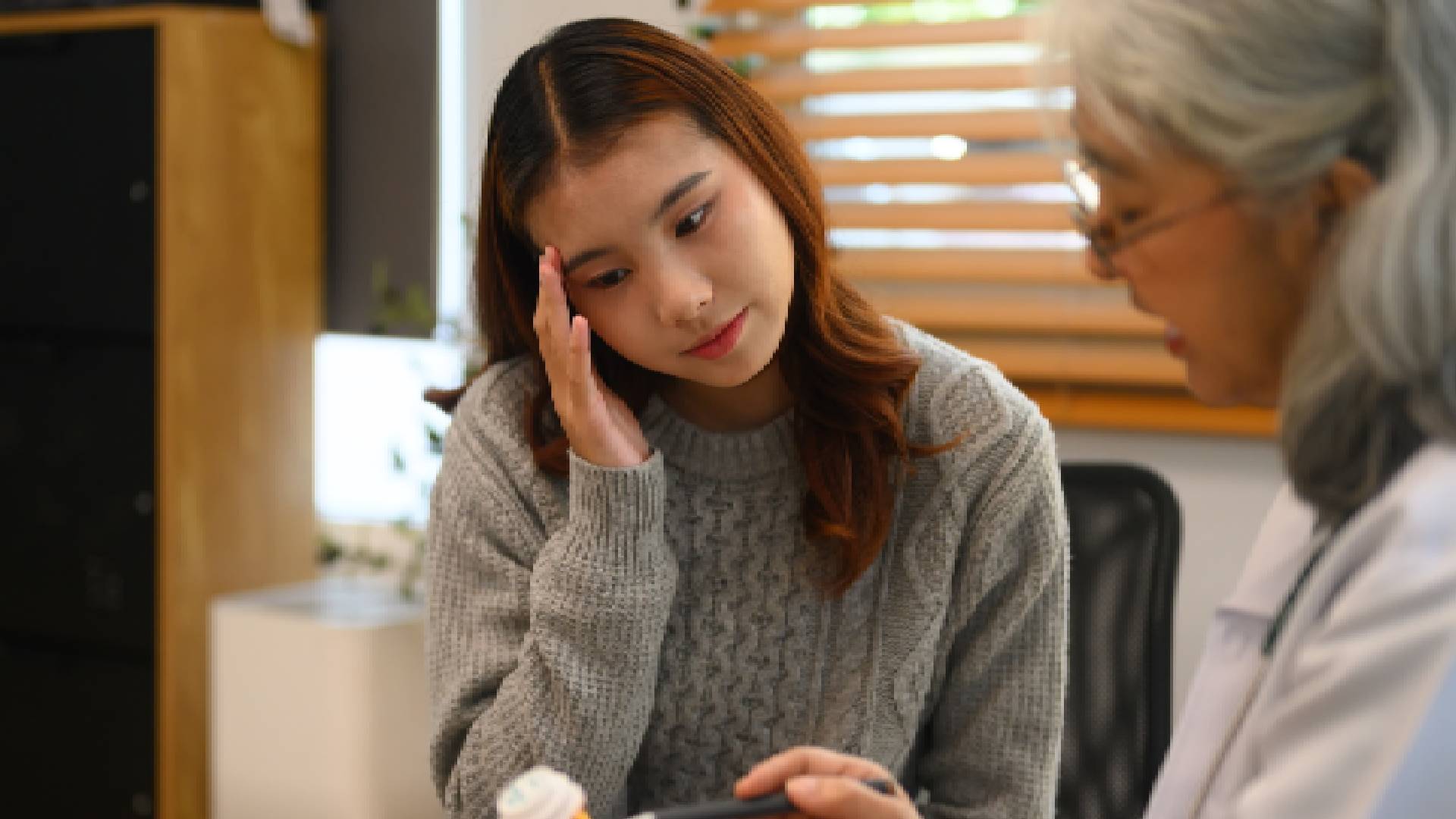

Recognizing postpartum needs
Welcoming a new child is a momentous event, but it also introduces profound physical and emotional changes that can lead to increased vulnerability. With that in mind, we believe a dedicated postpartum opioid treatment program can be a critical resource for ensuring a stable recovery. At Carolina Energetics, we have witnessed firsthand how the postpartum period can intensify dependency issues, especially for those who already struggle with opioid use. By focusing on the specific needs of new mothers, we provide the support necessary for lasting recovery.
The postpartum transition
Postpartum recovery encompasses not only physical healing but also emotional and mental well-being. After childbirth, hormonal fluctuations, sleep deprivation, and the stress of caring for a newborn can combine to make it challenging to manage pain or withdrawal symptoms. Many individuals in this stage face seemingly insurmountable obstacles. We often see how the added pressure of adjusting to parenthood can propel individuals toward relapse if their treatment plan does not address this major life transition.
To ensure that postpartum challenges are addressed thoroughly, our approach includes:
- Pain management strategies that reduce the likelihood of developing or worsening an opioid dependence
- Encouraging open communication about emotional health, addressing postpartum depression, anxiety, or any co-occurring concern
- Collaboration with healthcare providers to create holistic support tailored for individuals in the postpartum phase
We believe that healing involves more than simply stopping opioid use. For many, the postpartum period can become a tipping point without appropriate intervention. By prioritizing physical recovery and emotional stability through ongoing counseling, group discussions, and medication as needed, we strive to meet each mother’s specific needs.
Overcoming stigma and isolation
Stigma and isolation are frequent challenges for new mothers experiencing substance use disorders. Out of fear of judgment, some women may not share struggles such as postpartum depression or chronic pain issues. This silence can deepen feelings of loneliness and keep them from getting professional help. Our postpartum opioid treatment program maintains a non-judgmental opioid treatment environment, ensuring that every participant feels heard and validated.
In our experience, a supportive community helps new mothers connect with others who have faced similar challenges. Sharing experiences in a confidential opioid clinic setting can quickly dispel the shame and fear often associated with opioid dependency. We recognize that postpartum needs can be complex, but by openly addressing issues and offering tailored treatment resources, our program provides a sense of belonging, reinforcing the foundation of sustained recovery.
Why postpartum treatment matters
When opioid use collides with the unique concerns of new motherhood, the stakes become much higher. We cannot overstate how important it is to address pain and dependency in ways that allow individuals to focus on caring for themselves while also establishing a bond with their infant. A comprehensive postpartum approach can be a turning point— enabling families to regain stability and build healthy routines that last years after childbirth.
Health risks after childbirth
The postpartum period involves significant fluctuations in hormones that influence mood and pain thresholds. In some cases, childbirth can necessitate pain management routines that involve prescription medications, including opioids. Without careful monitoring, these medications can spiral into dependency or exacerbate existing opioid use. When left untreated, postpartum opioid dependency can lead to:
- Heightened risk of relapse if a history of opioid use disorder exists
- Development of deeper mental health issues, such as severe postpartum depression or anxiety
- Difficulty bonding with the newborn due to emotional distress or withdrawal symptoms
We recognize these compounding factors and address them using a multifaceted approach. Tools such as peer support groups, individual counseling, and medication-assisted treatment outpatient services help ensure that medical and psychological needs are tackled holistically.
Impact on mother-child bond
Strong emotional connections formed in the weeks and months after birth create vital foundations for both mother and child. However, opioid cravings, withdrawal, or the looming fear of relapse can overshadow this crucial bonding period. We frequently encounter mothers overwhelmed by feelings of shame, guilt, or anxiety as they strive to maintain wellbeing for themselves and their newborn.
Through our postpartum opioid treatment program, we focus on preserving and reinforcing that bond. We integrate therapy sessions that explore communication, coping strategies, and mindful parenting techniques. By ensuring mothers have the tools to manage cravings, stay physically healthy, and cultivate emotional resilience, we help preserve the integrity of the parent-child relationship. The goal is not only short-term sobriety but the stability that fosters a nurturing, loving family environment.
Our medication assisted approach
Medication Assisted Treatment (MAT) plays a central role in many opioid dependency treatment strategies, and postpartum care is no exception. We have seen how MAT, when paired with individualized counseling, can address both cravings and withdrawal symptoms, enabling new mothers to transition smoothly into their roles without being hindered by ongoing pain or anxiety.
Role of buprenorphine and suboxone
Buprenorphine-based medications such as Suboxone are frequently used in MAT to help stabilize individuals and reduce overpowering withdrawal effects. By minimizing cravings, MAT empowers postpartum mothers to focus on learning new parenting skills, healing physically, and regaining emotional stability. Our team carefully evaluates each person’s medical history to ensure the safest, most effective medication plan.
We understand concerns about medication use while caring for a newborn. Each plan is developed in collaboration with healthcare professionals aware of postpartum changes, ensuring that the benefits of buprenorphine treatment are maximized while any potential health risks are minimized. If you seek a more specific approach to safe and effective medication strategies, we invite you to learn more about our subutex clinic, along with our buprenorphine treatment guidelines that underscore the importance of gentle, gradual dosage adjustments.
Addressing co-occurring disorders
For many individuals, pregnancy and the postpartum phase can exacerbate pre-existing mental health issues. Depression, anxiety, or other conditions may manifest with greater intensity, making the journey to recovery more complex. We believe in the importance of treating co-occurring disorders alongside opioid dependency. By offering a supportive environment that acknowledges the struggles of postpartum life, we can restore balance to multiple areas of wellness.
Our range of services includes co occurring disorder treatment, ensuring that postpartum depression or anxiety does not remain unaddressed if it coexists with substance use. We collaborate with mental health professionals, encourage open discussions about emotional wellbeing, and prioritize personalized coping strategies. This comprehensive care plan respects the varied emotional landscape postpartum mothers navigate daily.
Ensuring specialized care
Our postpartum opioid treatment program emphasizes holistic recovery to address every angle of a person’s well-being, including physical health, mental health, and social needs. By thinking beyond symptom management, we aim to create supportive conditions that facilitate long-term improvement.
Holistic postpartum support
In our view, it is critical for postpartum mothers to have a network of resources that align with their day-to-day challenges. We encourage them to make use of:
- Therapeutic sessions: We provide group and individual therapy to explore the emotional ramifications of motherhood, opioid dependency, and overall wellness.
- Nutritional guidance: Addressing dietary concerns is particularly important for postpartum recovery. Proper nutrition can shorten healing time and reinforce mental stability.
- Stress-management techniques: Incorporating mindfulness and relaxation strategies can neutralize triggers and reduce reliance on opioids for coping with postpartum aches or emotional turbulence.
We also emphasize personal autonomy. For mothers who worry about privacy, our confidential opioid telehealth clinic ensures they can attend therapy or check-ups without fear of stigmatization. We believe every individual deserves the freedom to seek the help they need.
Access to telemedicine
The responsibilities of motherhood are demanding. Attending numerous in-person appointments can be daunting for new mothers struggling to manage child care, transportation, or financial constraints. We address these practical barriers by offering telehealth behavioral health support, reducing the burden of travel and time away from home. With our telemedicine suboxone program, individuals can receive consistent check-ins, counseling, and medication confirmation in a more adaptable, family-friendly format.
We also acknowledge how unpredictable postpartum life can be. Sometimes, a medical concern arises at short notice, so we offer same day suboxone appointment options, ensuring mom and baby need not wait days or weeks for crucial support. Another valuable tool is our saturday telemedicine appointments, which allow continued treatment without disrupting weekday schedules.
Why choose Carolina Energetics
We have built our reputation on understanding the intricacies of opioid dependency and the heightened vulnerability that can surface during and after pregnancy. Our postpartum opioid treatment program stands apart because of our commitment to personalized service, scientific research, and deep empathy for those in this transitional stage.
Comprehensive postpartum care
Carolina Energetics provides evidence-based solutions that align with established clinical standards. We operate with a multidisciplinary team approach, combining medical expertise with compassionate guidance. Our service extends beyond immediate detox or short-term management.
Key attractions of our comprehensive plan include:
- Flexible payment and coverage: Offering both cash pay suboxone clinic options and insurance verified opioid clinic ensures individuals do not neglect essential care due to financial barriers.
- Covered medical tests: We provide urine drug screen covered insurance and bloodwork covered insurance so necessary laboratory evaluations remain accessible.
- Special considerations for pregnancy and beyond: From our pregnant opioid treatment program to postpartum care, we create continuity, guiding individuals from pregnancy to motherhood.
Our focus goes much deeper than basic relapse prevention. We help mothers explore root causes behind substance use, targeting emotional instability or chronic stressors that might interfere with healthy parenting. We uphold the idea that recovery is about reconnecting to a fuller sense of self.
Additional supportive services
A postpartum opioid treatment program is most successful when it is well-rounded and acknowledges the complexity of life after childbirth. These additional resources may be beneficial for further support:
- Free narcan distribution: Ensures life-saving intervention is at hand in the event of an overdose
- Opioid craving management therapy: Focuses on evidence-based approaches for minimizing intense cravings
- Opioid relapse prevention plan: Teaches proactive strategies to avoid triggers
- Opioid medication management plan: Optimizes dosage and schedule for postpartum mothers
- Opioid telehealth follow up: Provides continuous remote support, adapting to ever-changing postpartum demands
By integrating these services, we ensure mothers receive well-rounded assistance that targets all areas of recovery, from the immediate postpartum days to the critical months that follow.
Frequently asked questions
1. How does postpartum care differ from standard opioid treatment programs?
Postpartum care addresses both the physical and emotional changes unique to motherhood. Hormonal fluctuations, stress, and often-limited sleep can all complicate recovery and may require specialized guidance. Our postpartum opioid treatment program includes targeted counseling, medication adjustments, and resources designed specifically for mothers navigating these new responsibilities.
2. Is it safe to use MAT medications while caring for a newborn?
Yes, when properly supervised, Medication Assisted Treatment can be safe and extremely beneficial. With a well-monitored plan, postpartum mothers often find more stable moods, fewer cravings, and improved overall wellbeing. We collaborate with healthcare professionals who consider both maternal health and infant care to ensure a safe treatment approach.
3. Can postpartum mental health conditions affect recovery?
Absolutely. Challenges such as postpartum depression, anxiety, or other co-occurring conditions can complicate opioid recovery. We integrate co occurring disorder treatment into our postpartum plans, so psychological health and opioid dependency are addressed together, minimizing the chance of relapse driven by untreated mental health concerns.
4. Will I need frequent office visits?
Frequent visits are not always necessary. We offer flexible scheduling and robust telemedicine services, including saturday telemedicine appointments, so you can maintain consistent progress without neglecting your family. Our confidential opioid telehealth clinic helps minimize travel, making it easier to balance the demands of parenthood with critical opioid dependency treatment.
5. Can I start treatment immediately, even if I just had my baby?
Yes. We encourage mothers to seek help as early as possible. By initiating a plan shortly after childbirth, we can help reduce the risk of ongoing dependency and accelerate overall recovery. If you require urgent attention, our same day suboxone appointment options are available to expedite care.
Taking the next step
Our firsthand experience supporting new mothers has demonstrated that postpartum care requires sensitivity and thorough understanding. We believe that helping individuals in this unique stage can transform entire families and futures, giving infants a healthier foundation for life. Women in the postpartum period may not always reach out for help, fearing stigma, judgment, or simply feeling overwhelmed. But taking the step toward recovery can be the most significant decision for both mother and child.
At Carolina Energetics, our postpartum opioid treatment program dives into the heart of why you or your loved one may need compassionate, individualized support. By integrating medication-assisted treatments, dedicated counseling, and a network of supportive resources, we address challenges that may otherwise fall through the cracks. Our approach is grounded in empathy, built on evidence-based research, and strengthened by a commitment to seeing families succeed.
We encourage you to explore avenues like our opioid dependency treatment, opioid treatment hotline info, or opioid recovery counseling if you are uncertain about where to begin. If you or someone you love needs urgent care or prefers a private approach, the option of a cash pay suboxone clinic or insurance verified opioid clinic is available, ensuring that everyone receives the best possible care, regardless of financial circumstance. Together, we can work to build a supportive environment where postpartum healing and sustained sobriety are truly possible. We are here to empower new mothers to embrace a future free from the weight of opioid dependency and full of renewed hope.