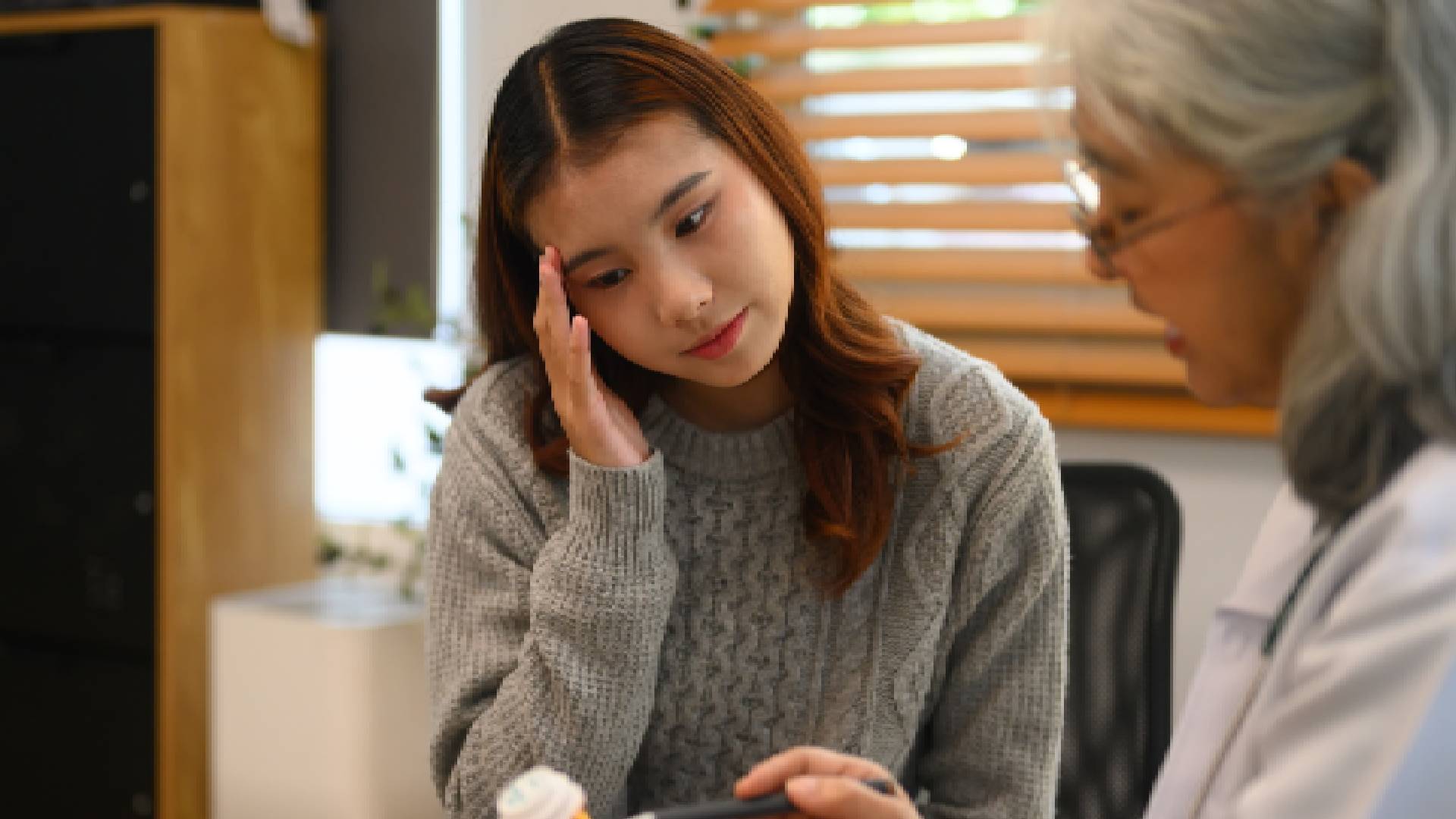

Embracing non judgmental opioid treatment
We have witnessed firsthand the transformative power of non judgmental opioid treatment. Before discovering this approach, many of us felt trapped by stigma and fear, uncertain if anyone would understand our struggle. However, as we embraced the idea that opioid dependency can happen to anyone, we found a supportive environment that focused on solutions rather than blame. By acknowledging the complexity of opioid dependency and offering genuinely empathetic care, we saw positive change not only in our own lives but in the lives of friends and family members who have walked a similar path.
Today, we are proud to share what we’ve learned. The journey to healing does not have to be lonely or filled with shame. With expert assistance, including medication assisted treatment (MAT) and personalized therapy, it is possible to move forward with renewed hope. In our experience, meeting people where they are, free of judgment, is what truly fosters the sense of trust necessary for lasting recovery. This philosophy guides our approach at Carolina Energetics, where we tailor interventions to the individual and strive to empower every person who seeks our help.
Below, we explain why non judgmental opioid treatment stands out as an essential pillar in our lives. From understanding the basics of MAT and buprenorphine therapy to highlighting the importance of family support, we delve into how this method instills confidence, nurtures self-worth, and helps break the cycle of opioid dependency. Ultimately, we want you or your loved one to access comprehensive care that lifts the burdens of stigma and fosters meaningful healing.
Understanding our medication assisted approach
Medication assisted treatment represents a multifaceted strategy that typically combines FDA-approved medications, such as Suboxone or buprenorphine, with behavioral counseling and individualized plans. Over the years, we have realized that MAT is most successful when implemented in a non judgmental opioid treatment framework. Rather than labeling people by the severity of their opioid dependency or blaming them for setbacks, this approach highlights compassion, expertise, and a commitment to seeing each person’s unique challenges clearly.
• Suboxone and buprenorphine
- These medications are designed to bind to specific receptors in the brain, reducing both cravings and withdrawal symptoms. By promoting stability, they provide critical relief that allows individuals to engage more fully in counseling or group therapy.
- In some cases, we have been prescribed buprenorphine treatment, a well-known and research-backed option that helps sustain long-term recovery when administered in a supportive environment.
• Behavioral counseling
- We have seen counseling reinforce healthy habits and coping strategies. By addressing underlying emotional or psychological factors, therapy paves the way for lasting transformation.
- Group and individual settings both play a role. Some people prefer one-on-one sessions, while others thrive in group discussions where shared experiences offer camaraderie.
• Individualized plans for every stage
- We believe strongly that each person’s recovery is unique, so we employ opioid dependency treatment methods adapted to personal circumstances. Someone battling work stress might benefit from specialized therapies that reinforce boundaries, while someone facing family challenges might need an intervention focusing on communication skills.
- By using a range of techniques, from mindfulness to medically monitored detox, we ensure each person receives the support necessary for lasting recovery.
The medication assisted treatment outpatient model can also be valuable for those who prefer to maintain daily responsibilities. We know firsthand that it is not always feasible to leave home or work commitments for extended periods. In such cases, medication assisted treatment outpatient programs allow participants to attend counseling sessions and adhere to medication schedules without compromising personal obligations.
In our view, comprehensive care ensures more than just physical stabilization. It addresses the underlying reasons that opioid dependency took root, incorporating life skills and supportive networks to help people implement positive changes day after day.
Reasons families trust Carolina Energetics
We often get asked why families turn to Carolina Energetics for help. For us, the answer lies in the unwavering dedication to serving anyone in need with empathy. From the moment we stepped through the doors, we felt that our experiences and concerns mattered. This was a refreshing shift from prior clinics, which sometimes dismissed our voices or treated us with condescension.
- Clear communication
- The team at Carolina Energetics invests time in understanding each person’s history, including any co-occurring mental health conditions that may complicate treatment. By consistently communicating treatment goals and possible side effects, they reduce uncertainty and fear.
- Through counseling, education, and open discussions, we were never left in the dark about our progress or the steps needed to move forward.
- Collaborative care
- Rather than relying on a single practitioner, we experienced a network of specialists working together for our well-being. Medical professionals, counselors, and support staff provided input where needed, ensuring comprehensive care in every aspect of our recovery.
- This teamwork allows for targeted interventions. If, for instance, we discovered signs of depression or anxiety, we had immediate access to mental health professionals who seamlessly integrated therapy into our medication plan.
- Respect for privacy
- The stigma often associated with opioid dependency can hinder people from seeking treatment. At Carolina Energetics, confidentiality is paramount. Everyone in need of care can find acceptance and support without fear of being labeled or judged.
- We have also seen the benefits of confidential opioid clinic strategies that put patient dignity first, encouraging more individuals to take the first brave step toward recovery.
- Flexible treatment options
- Each treatment plan may evolve, incorporating an opioid withdrawal management program or suboxone taper program outpatient if that aligns best with the individual’s condition. Such plans can pivot quickly in response to changing needs, reflecting the principle of personalization.
- For those who cannot visit a clinic regularly, services like the telemedicine suboxone program offer the convenience of virtual appointments. We have known parents, students, and professionals who appreciate this option, as it removes barriers like travel time.
Overall, Carolina Energetics stands out by addressing every dimension of opioid dependency. In our experience, the staff remains dedicated to healing bodies, minds, and relationships, creating a more sustainable path to recovery.
Overcoming barriers with empathy
We cannot overstate how critical empathy has been on our road to healing. Opioid dependency recovery can be fraught with pitfalls, from constant cravings to emotional triggers rooted in past trauma. In many instances, what kept us motivated was a caring support system that did not judge us for bad days or lapses in progress.
• Confronting stigma
- Facing the remnants of stigma is arguably one of the hardest parts of opioid dependency recovery. There were times we hesitated to share our experiences, worried about repercussions at work or negative reactions from peers. Knowing that our caregivers and a strong peer community refused to see us as “less than” made all the difference.
- Having a confidential opioid telehealth clinic option also reduced the concern of running into friends or coworkers at a treatment center. Telehealth visits made discussing struggles easier and more private, which accelerated our willingness to open up.
• Addressing mental health challenges
- Anxiety, depression, or PTSD can complicate opioid use disorder. Often, these conditions co-exist, stirring up feelings of shame and hopelessness. Through integrated care, we learned to separate our illness from our identity, treating both opioid dependency and mental health issues simultaneously.
- Co occurring disorder treatment ensures that depression or anxiety is not sidelined. By tackling both the opioid dependency and any existing mental health conditions, we felt better prepared to handle life’s ups and downs without relying on substances.
• Offering holistic therapies
- An overarching sense of compassion can show up in different dimensions of care. For some, yoga sessions, mindfulness, or nutritional guidance offer a chance to rebuild a healthy lifestyle.
- A truly holistic opioid treatment program recognizes that well-being is about more than medication. By combining meaningful activities with therapy, individuals can rediscover a sense of purpose and self-worth that extends well beyond the confines of the clinic.
By fostering an atmosphere of empathy, we have seen extraordinary breakthroughs in recovery. Rather than punishing individuals for what they have done in the past, the focus remains consistently on how to move forward in a stable, fulfilling way.
Starting your recovery journey
Deciding to seek help for opioid dependency is a deeply personal step. Many of us had to overcome internal shame, fear of judgment, and the anxiety of stepping into the unknown. But we want anyone reading this to know that it is possible to navigate this process with dignity and expectation of success when the foundation is a non judgmental opioid treatment approach.
Below are a few key considerations we found useful when getting started:
- Set clear goals
- Before scheduling an appointment, reflect on what you hope to achieve through treatment. Do you want to reduce cravings, repair family relationships, or change career paths that have led to stress? Having a distinct purpose can help keep you focused during challenging times.
- We found it helpful to write down smaller, measurable goals, tracking progress as we advanced. For instance, reducing daily cravings from four episodes a day to two, or successfully completing a week of therapy sessions without missing an appointment.
- Explore available programs
- Many people do not realize the variety of treatment programs that exist. At Carolina Energetics, there are options like the opioid craving management therapy for pinpointed assistance and opioid relapse prevention plan for aftercare strategies.
- If you prefer or require remote care, saturday telemedicine appointments can accommodate your schedule. Additionally, a same day suboxone appointment might be available to kickstart therapy promptly if time or severity is an issue.
- Consider prenatal or postpartum needs
- Some women face the additional concern of pregnancy or recent childbirth while grappling with opioid dependency. In these scenarios, a carefully monitored pregnant opioid treatment program or postpartum opioid treatment program can offer specialized support to ensure the well-being of both mother and child.
- We have seen positive outcomes when mothers receive targeted care, including nutritional and psychological help tailored to this pivotal stage in life.
- Attend initial evaluations
- An opioid dependency evaluation salisbury may be the first clinical step to see where you stand physically, mentally, and emotionally. These evaluations help determine the best course of action, whether that is buprenorphine induction appointment or a focus on mental health counseling first.
- The thorough nature of these assessments meant we always felt our individual challenges were taken seriously.
- Secure insurance verification or out-of-pocket options
- Cost can be a significant concern. An insurance verified opioid clinic helps clarify what treatments are covered, while a cash pay suboxone clinic can simplify matters for those without insurance or who prefer not to go through an insurer. We appreciate that having multiple options reduces stress and keeps the focus on recovery.
In essence, the beginning of your journey rests on a willingness to seek help and a commitment from your care team to treat you without judgment. Recovery is rarely linear, but with the right combination of professional guidance, peer support, and personal determination, we have seen remarkable transformations unfold.
Nurturing a supportive environment
We have noticed that the environment in which treatment takes place can drastically influence success rates. When we speak of a supportive environment, we refer not just to the physical surroundings but also to the collective attitudes and resources available.
• Family inclusivity
- In many instances, involving family from the earliest stages can promote understanding. Relatives often carry misconceptions about opioid dependency, which can inadvertently hinder the healing process. Educational sessions that clarify the roots of opioid dependency, the nature of cravings, and the importance of medication can spark compassion.
- Some families also benefit from therapy specific to them, addressing resentments or anger that may have built up over time. We noticed better outcomes when loved ones felt empowered with information and coping tools that matched our own.
• Group bonding
- We found tremendous value in the solidarity formed in group counseling sessions. People from many different walks of life came together to share honest confessions of how opioid use impacted their relationships, jobs, or mental health. This sense of unity and camaraderie broke down the isolating walls opioid dependency often creates.
- Reflecting on experiences in a group can be especially beneficial during an adult opioid treatment clinic or young adult opioid treatment setting, where participants share generational or situational similarities.
• Practical resources
- Having access to practical resources like free narcan distribution can significantly minimize overdose risks, offering an added layer of security. Staff might also direct individuals to drug adduction therapy services if specialized care is needed for polydrug usage.
- Regular urine drug screen covered insurance or bloodwork covered insurance can monitor progress, ensuring that the medical team has accurate data to adjust treatment plans when necessary.
Ultimately, a supportive environment is one that neither shames nor frightens, but encourages and educates. At Carolina Energetics, every interaction, from administrative staff to medical professionals, is guided by an ethos of compassion and respect.
Breaking down treatment steps
Everyone’s journey through opioid dependency treatment differs slightly. Yet, there are some common phases we have recognized:
- Assessment
- A thorough assessment sets the groundwork for understanding each person’s unique situation. Factors like medical history, opioid usage patterns, and marital or work stress may be examined.
- This step often includes scheduling a suboxone clinic visit or exploring subutex clinic options if the medical professional determines a different medication might be appropriate.
- Induction
- During induction, we start the medication portion of treatment, typically with buprenorphine induction appointment. This helps alleviate withdrawal symptoms and reduce cravings.
- Careful monitoring ensures the correct dosage is established for optimum comfort and effectiveness.
- Stabilization
- Over the next few weeks or months, therapy sessions and medical evaluations help stabilize mental and physical health. At this stage, stress management or addressing relationship problems becomes critical.
- Some of us have found opioid medication management plan beneficial to regularly adjust medications and ensure the entire process remains on track.
- Maintenance
- Maintenance means continuing with medication at a stable dose, while also nurturing healthy lifestyle changes. Counseling and group support still matter. This phase can last several months or even years, depending on individual goals and progress.
- During maintenance, future goals revolve around slowly easing off medication if appropriate, alongside robust aftercare planning.
- Aftercare planning
- Preparing for life after regular clinical involvement can be intimidating. Here, the focus shifts to relapse prevention resources, like direct lines to opioid treatment hotline info or scheduling opioid telehealth follow up.
- Sometimes, people opt for a suboxone taper program outpatient once they reach a stable place in their recovery. Consistent communication with medical staff ensures a slow and safe reduction in medication.
From beginning to end, the steps are not rigidly fixed. We have each experienced a healthy degree of flexibility, allowing the process to adapt to our own experiences, obstacles, and personal aspirations.
Putting it all together: Our perspective
Years of grappling with opioid dependency taught us that shame can overshadow healing. Feeling like we had to hide our challenges only worsened them. When we discovered non judgmental opioid treatment, it offered a safe space to peel away layers of guilt, anger, and denial. Instead, we focused on a future defined by wellness.
Carolina Energetics embodies this concept. Rather than using fear tactics or punitive measures, the dedicated team empowers individuals with information, medication as needed, and continuous emotional support. This synergy of empathy and expertise changed how we viewed recovery. No longer did we see ourselves as hopeless or unworthy of help. Instead, we saw the possibility of rebuilding our lives around healthy habits and fulfilling goals.
• Feeling of safety
- Knowing that our concerns were heard without condemnation fostered a sense of security. That sense of security allowed us to disclose deeply personal fears and traumas, leading to targeted therapeutic outcomes.
• Gradual personal growth
- Recovery does not happen overnight. We learned that small steps, like keeping appointments or reaching out to a mentor when cravings struck, accumulated into transformative changes over time.
• Sense of community support
- One of the greatest victories was realizing that we were never alone. We built relationships with peers, participated in group counseling, and even joined local communities dedicated to inspiring hope in those still struggling.
Walking this path confirmed that the right approach can indeed change lives. We are living proof that, with understanding and comprehensive care, opioid dependency can be managed effectively, opening doors to brighter, healthier tomorrows.
Frequently asked questions
- What exactly is non judgmental opioid treatment?
Non judgmental opioid treatment means we focus on solutions and well-being rather than blame or stigma. Healthcare professionals who practice this approach strive to understand the life factors that led to substance use, then offer tailored treatments like medication, therapy, or other support without judging personal choices or past mistakes. - Are MAT services, like Suboxone or buprenorphine, really effective?
In our experience, medication assisted treatment significantly reduces cravings and withdrawal symptoms, which can give people a better chance to engage in therapy and long-term strategies for sobriety. Combined with counseling support, MAT can be highly effective at preventing relapse and stabilizing overall mental health. - How do I know if I should start treatment right away?
If opioid use is affecting your daily life, physical health, or emotional well-being, seeking help sooner rather than later is always beneficial. A professional assessment, such as an opioid dependency evaluation salisbury, can clarify whether immediate intervention is best and map out potential treatment options. - Does Carolina Energetics accept insurance?
Carolina Energetics offers an insurance verified opioid clinic option to help confirm coverage for those with insurance plans. For those without coverage or who would prefer otherwise, a cash pay suboxone clinic can streamline the process. Our main goal is to reduce barriers to treatment and ensure everyone can access the help they need. - Will I be judged if I relapse or struggle during treatment?
At Carolina Energetics, relapse is viewed as a challenge to overcome, not a personal failing. The staff is committed to guiding you compassionately if setbacks occur. Reevaluating treatment plans, adjusting medication, or increasing therapy sessions are all strategies to help you get back on track without shame or blame.
We hope our own experiences show that there is a kinder, more empowering path to recovery. By choosing non judgmental opioid treatment, many of us have found renewed hope, better health, and stronger connections with loved ones. If you or a loved one are searching for a confidential, supportive, and effective avenue toward wellness, we believe Carolina Energetics stands ready to make a positive difference in your life.