Embracing telehealth behavioral health support
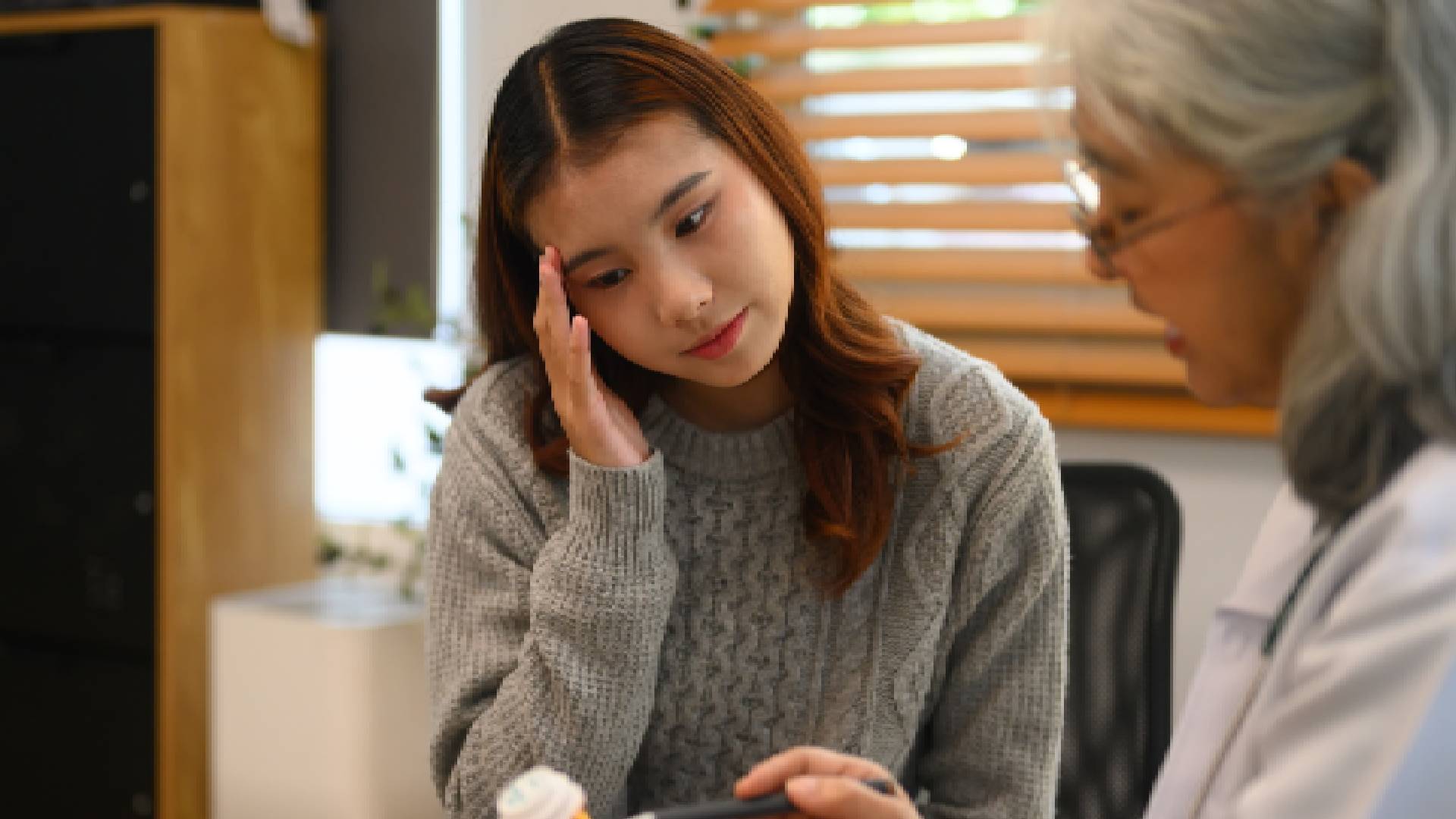
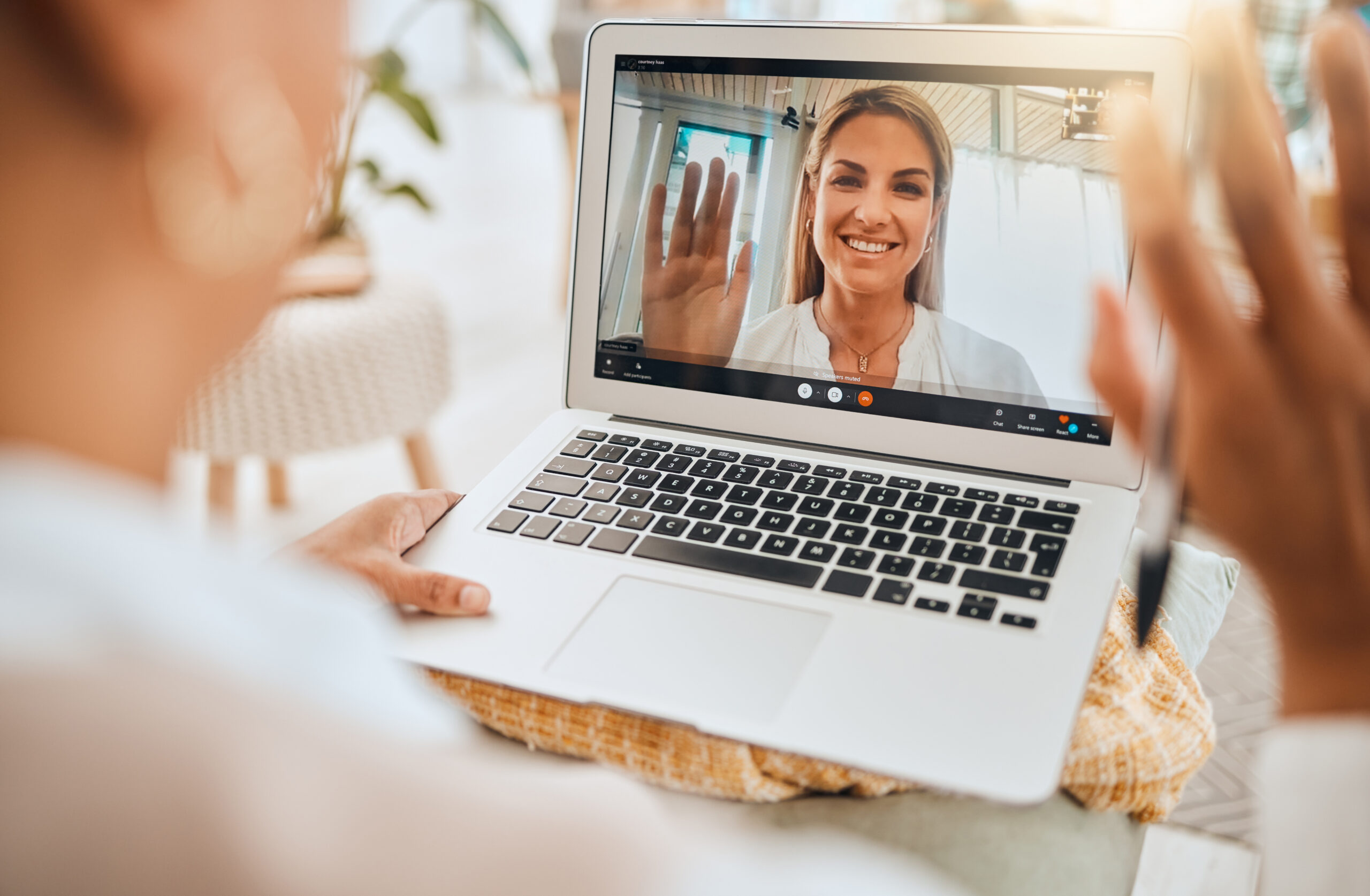
Telehealth behavioral health support has transformed the way we connect with vital resources for opioid dependency treatment. By offering virtual appointments, expanded access to specialists, and the ability to communicate from the privacy of our own homes, telehealth tools make it easier for us to receive the support necessary for lasting recovery. As we navigate the complexities of opioid use disorders or other forms of substance misuse, having an online platform for therapy and medication management can be empowering. The blend of technology and compassionate care helps us reach individuals who may struggle to attend in-person sessions due to personal responsibilities, health concerns, or the stigma often associated with opioid dependency .
We at Carolina Energetics understand these challenges and know how critical it is to have empathetic and convenient services. Our mission is to provide medication-assisted treatment (MAT) and related behavioral health resources in a welcoming environment. By integrating telehealth into our offerings, we ensure that individuals can get the help they need in a setting that makes them feel most comfortable. Whether it is connecting someone to our confidential opioid telehealth clinic appointments or discussing options for a same day suboxone appointment, our goal remains the same: we want to make sure everyone has a real chance at recovery, regardless of their circumstances.
Understanding the importance of MAT services
Medication-assisted treatment, or MAT, often plays a significant role in opioid dependency recovery. We combine carefully prescribed medications such as buprenorphine or Suboxone with behavioral therapies aimed at reshaping negative thought patterns, managing triggers, and forging healthier coping Strategies. A comprehensive MAT approach can address the physical, psychological, and emotional components of opioid dependency, creating a powerful support system during and after treatment.
The power of blended care
In our experience, combining carefully supervised medications with counseling or therapeutic interventions provides a well-rounded path to recovery. While the medication component can help manage cravings and stave off withdrawal, therapy sessions encourage reflection, personal growth, and self-awareness. Through telehealth behavioral health support, people can schedule counseling sessions online, check in for medication follow-ups, and connect with group therapy from anywhere they feel secure.
Meeting unique needs
Our approach to MAT focuses on individualized plans designed to accommodate personal histories, co-occurring disorders, and specific life circumstances. We work collaboratively to tailor solutions that fit seamlessly into daily schedules and foster progress. For example, participants can join our subutex clinic if they have a clinical recommendation to transition from other medications. We complement these treatment modalities with counseling sessions that examine root causes of substance use, grant access to peer support, and promote regular check-ins. This integrated perspective empowers individuals to address underlying stressors or triggers that may contribute to relapse.
Why telehealth is a game-changer
Telehealth has made MAT services more approachable and accessible. It breaks down or eliminates certain barriers often linked to traditional, in-person care. By offering a virtual option, we help individuals overcome hurdles like scheduling conflicts, public transportation challenges, fear of stigma, and other constraints.
Alleviating barriers to care
Not everyone can drive to a clinic every week, especially those managing family responsibilities or balancing work obligations. Distance to the nearest clinic can be daunting, especially in rural areas where opioid dependency treatment services are limited. Telehealth allows us to work around these limitations so that no one has to forgo essential therapies. We have observed that telehealth appointments can sometimes be more frequent and consistent, which fosters progress and ensures constant engagement.
Empowering private, stigma-free sessions
The stigma surrounding opioid dependency can be a major deterrent. Many individuals battle shame or fear about seeking help publicly. Being able to speak to a medical professional from home or a private location can ease this emotional weight. With telehealth, people are assured that their appointments remain confidential. They have an opportunity to trust the process without worrying about public scrutiny. This aspect alone can reduce stress, allowing for more open, honest conversations that are crucial to recovery.
Strengthening relationships with care teams
Telehealth encourages consistent communication with medical providers and therapists. In our experience, steady connections with professionals help patients voice concerns and receive timely adjustments to their treatment plans. Rapid feedback loops can significantly impact treatment outcomes, especially when addressing dosage changes or identifying new triggers. As a result, telehealth fosters a stronger rapport with counselors, physicians, and peer support groups who speak from a place of understanding and empathy.
How we personalize telehealth behavioral health support
At Carolina Energetics, we approach each individual’s journey from a compassionate perspective. Through telehealth, we deliver a secure channel for private discussions, follow-up appointments, and therapy sessions that blend seamlessly into daily life. Our holistic approach underscores several strategic touchpoints.
Thorough initial assessments
Before suggesting or commencing any telehealth-based MAT program, we first undertake a comprehensive evaluation. We want to learn about potential co-occurring disorders, family medical histories, or specific triggers. If needed, we invite people to schedule an opioid dependency evaluation salisbury to gather deeper insights and align the best resources.
Access to specialized resources
Our telehealth platform incorporates a broad range of supportive tools, from co occurring disorder treatment to free narcan distribution. By providing accessible resources, we strive to ensure that every man or woman in need of advanced care can pivot to specialized treatments at the fraction of the stress or cost once associated with in-person visits. In addition, we work with those who may require in-clinic evaluations and guide them through the potential next steps if in-person treatment becomes necessary.
Ongoing oversight and check-ins
We believe that consistent oversight is critical when it comes to medication schedules, symptom management, and emotional well-being. Telehealth allows for more frequent communication without burdening the individual with repeated travel. Whether it is a once-a-week video call to ensure the dosage is correct or a quick chat to address an unexpected trigger, these remote sessions offer stability, transparency, and reassurance.
Why we choose telehealth behavioral health support together
We genuinely feel that telehealth unites us with individuals and families on a more personal and immediate level. Rather than allowing frustrations, stigmas, or hectic schedules to overshadow treatment goals, we embrace modern technology to amplify the power of long-term recovery. Our telehealth approach aligns with our supportive environment, awareness of unique challenges, and commitment to comprehensive care.
Encouraging open communication
When people can interact from their home, they often feel more relaxed, which can lead to more productive sessions. They may share insights they might keep hidden in a more traditional setting. This openness helps us tailor strategies that result in meaningful progress. We can also include trusted family members or friends in certain telehealth sessions to widen the support circle.
Addressing complex realities
It can be tough juggling employment, family responsibilities, and personal health. Telehealth often reduces the cost or time linked to traveling, which means fewer missed appointments. This resilience fosters steady progress toward recovery milestones without imposing additional burdens on daily life. By reducing logistical difficulties, we free more time for individuals to focus on self-exploration, growth, and consistent healing.
Building confidence through virtual care
Telehealth can help individuals gradually build confidence in their ability to manage opioid dependency triggers or stressors. For some, crossing a physical threshold to a clinic is a major initial hurdle. By relying on telehealth, they gain confidence in discrete steps. Over time, they experience a sense of agency, which fuels self-motivation to continue or even intensify their treatment. This sense of empowerment can be a major factor in establishing and maintaining long-term recovery.
Our commitment to an empathetic treatment approach
We aim to provide the supportive, compassionate treatment environment men and women deserve. Rooted in empathy, our telehealth services reflect our desire to address each person’s individual situation. We hold firm to the belief that effective treatments arise when we truly understand a person’s circumstances. By combining professional expertise, an atmosphere of genuine care, and digital convenience, we strive to maintain an open line of communication throughout the recovery process.
Emphasizing tailored treatment programs
We have always advocated for individualized plans. Whether someone needs a suboxone taper program outpatient or personalized strategies to prevent relapse, we listen first and then craft the right mix of medication, therapy, and tools. Telehealth amplifies our ability to adapt more fluidly. If one method seems less effective, we can accelerate changes without waiting for the next scheduled in-person appointment.
Providing comprehensive care
Opioid dependency often accompanies underlying issues such as mental health struggles, trauma, or social stressors. Our version of comprehensive care includes specialized interventions like opioid craving management therapy, counseling for co-occurring anxiety or depression, and coaching for life skills. By drawing these resources into a telehealth framework, we can initiate or modify care almost instantly, ensuring that no critical moment goes overlooked.
Addressing unique demographics
While our services are open to anyone, we understand that men often experience specific barriers affected by societal expectations or personal reluctance to seek help. Telehealth does not eliminate these challenges outright, but it does offer a safer space for men to navigate vulnerability at their own pace. Ultimately, we want every participant to feel recognized, validated, and hopeful about their capacity to conquer harmful habits.
Exploring additional MAT solutions
Our telehealth approach does not stand alone. Instead, it is part of a continuum of care designed to address various aspects of recovery. We work closely with individuals to move beyond the initial phases of treatment, ensuring that each stage is fully supported.
Buprenorphine induction and beyond
During the early phase of MAT, some people might need a buprenorphine induction appointment to manage intense withdrawal symptoms and cravings. Through telehealth, individuals can establish a plan, stay in constant contact with their prescriber, and adjust doses as needed with immediate feedback and oversight. As the individual stabilizes, subsequent telehealth check-ins focus on progress, addressing side effects, or adjusting the treatment plan to ensure efficacy.
Postpartum and pregnant care
If you or a loved one is pregnant or newly postpartum, there may be additional medical and emotional considerations. Our pregnant opioid treatment program and postpartum opioid treatment program integrate telehealth solutions, as in-person visits can be stressful during pregnancy or the early days of parenthood. By merging professional oversight with flexible scheduling, we maintain close contact, ensuring that physical and mental health needs are not overlooked during such a delicate time.
Navigating co-occurring disorders
Co-occurring disorders can complicate recovery, especially when a substance use issue coexists with trauma, depression, anxiety, or other mental health conditions. Unfortunately, one problem can exacerbate the other. Our co occurring disorder treatment is part of the overall telehealth approach, allowing individuals to seek specialized help without interrupting their daily routines or traveling to separate facilities.
Overcoming stigma through virtual support
Facing opioid dependency openly can feel difficult. Many of us have internalized misconceptions about what it means to seek treatment, and shame is a powerful force that keeps people from getting the help they deserve. By embracing telehealth, we reduce potential judgement or fear, ensuring that each conversation is characterized by empathy rather than scrutiny.
A trusting environment
A crucial factor in recovery is feeling comfortable enough to share openly. Telehealth fosters a safe environment for those who fear being seen entering a clinic. We intentionally design our platform to be private and secure, giving individuals the liberty to speak candidly. This stronger trust dynamic can enhance the therapist-patient relationship and lead to targeted, effective progress.
Reducing social anxieties
Some feel anxious around unfamiliar people or settings, and that anxiety can hamper seeking help. Telehealth eliminates crowded waiting rooms or the discomfort sometimes associated with group sessions. Over time, people may become more willing to engage in group tele-sessions or explore in-person encounters if that becomes a step in their long-term recovery plan.
Sustaining a stigma-free culture
When we work with communities through telehealth instrumentation, the concept of receiving help for opioid opioid dependency becomes normalized. Instead of associating opioid dependency recovery exclusively with clinical, sometimes intimidating spaces, participants see it as an integrated part of whole-person wellness. That shift can resonate beyond the individual, encouraging family members, friends, or entire neighborhoods to see opioid dependency recovery as a sign of strength rather than weakness.
Creating a flexible plan for long-term success
Our goal is not just to help people achieve sobriety in the short term. We want them to thrive by developing resilience, emotional insight, and life skills that steer them away from harmful habits.
Blending therapy modalities
Therapeutic interventions are more diverse than ever. We can combine multiple pathways through telehealth, including:
- Individual counseling: One-on-one sessions that focus on personal challenges
- Group therapy: Virtual spaces to share experiences, find camaraderie, and learn from peers
- Family therapy: Collaborative efforts that bring family members together to mend and strengthen relationships
By adapting these sessions to a telehealth format, we maximize convenience and reach. We frequently see that consistent group meetings, even if they happen entirely online, help participants build supportive networks that continue to offer rest, accountability, and acceptance.
Building life skills
Successfully fighting substance use disorders often requires new life skills that support a stable routine and emotional health. Virtual life-skills coaching, budgeting courses, or stress management workshops can be woven into the telehealth model. Learning practical coping methods and daily healthy habits fosters personal growth and encourages individuals to reclaim self-confidence.
Encouraging relapse prevention strategies
Another core element of long-term success is planning for relapse prevention. We help guide people to create an opioid relapse prevention plan to minimize the risk of returning to harmful behaviors. By pairing medication management, ongoing counseling, and accountability check-ins, people are more likely to recognize and manage triggers early on.
Why choose Carolina Energetics for opioid dependency treatment
At Carolina Energetics, we offer a comprehensive suite of services that prioritize respect for each individual’s journey. From telehealth-based MAT to in-person resources, the continuous thread is our unwavering empathy. Our experience treating diverse populations has shown us that compassion and expertise are equally critical. We harness a range of supportive resources and advanced tools to meet people exactly where they are.
Dedicated to confidentiality
We understand that confidentiality matters deeply to many of the individuals we serve. Our confidential opioid clinic ensures private, professional interactions. Telehealth platforms maintain robust data protection protocols. We aim to preserve dignity, autonomy, and anonymity so that people are safe to speak honestly and openly.
Insurance collaboration and flexible payment
We maintain a flexible approach to payment because we know finances can be a barrier. From third-party payers to a cash pay suboxone clinic model, we explore options to keep costs manageable. For those with insurance, we also explain coverage on aspects like urine drug screen covered insurance and bloodwork covered insurance. Our administrative staff walk people through the process, ensuring that each step remains transparent and straightforward.
Broad range of treatment options
No two journeys are identical. One participant might benefit from our adult opioid treatment clinic, while another may be best served by our young adult opioid treatment. Someone else might have unique needs that align with our holistic opioid treatment program. Through telehealth, we can easily connect individuals to these specialized programs, guaranteeing continuity and personalization throughout their care experience.
Incorporating a caring team approach
Our collaborative style involves medical professionals, mental health counselors, and patients alike in shaping the path to recovery. We coordinate seamlessly between telehealth calls, in-person appointments (if they become necessary), and community-based resources. This high level of integration enables timely adjustments, a smooth flow of shared updates, and consistent motivation. Everyone works together toward a common end: empowering individuals to overcome opioid dependency with dignity.
Responsive follow-up
We do not end our role after the initial prescription. Instead, we maintain regular intervals of contact to track progress, answer questions, and manage any emerging symptoms or concerns. Telehealth fosters swift communication. If urgent matters arise, we can schedule a telemedicine suboxone program call or arrange a saturday telemedicine appointments session. This robust follow-up structure has been instrumental in bolstering improvements and preventing mild setbacks from derailing someone’s progress.
Effective case management
Opioid treatment typically involves more than just medical oversight. We aim to address social challenges and coordinate assistance for housing, job training, or childcare. Our opioid treatment case management services streamline care by creating a singular point of contact who is aware of an individual’s entire situation. Because we can schedule telehealth sessions with the relevant parties, bridging resources and life circumstances becomes more manageable.
FAQs
Below are some frequently asked questions that arise for those interested in telehealth behavioral health support for opioid dependency recovery:
- What is telehealth behavioral health support?
Telehealth behavioral health support uses online platforms or phone calls to deliver mental health and opioid dependency treatment services. It can include therapy sessions, medication consultations, and group discussions, all conducted virtually for easier access and scheduling. - Are telehealth programs effective for opioid dependency treatment?
Yes. Telehealth programs offer the same evidence-based treatments used in traditional settings but in a more flexible format. Studies show that this approach can improve engagement and reduce barriers, helping individuals closely follow treatment plans with professional guidance. - How do I get started with telehealth services at Carolina Energetics?
Reach out to our team, and we will schedule an assessment to determine the best course of action. If telehealth is suitable, we will set up your first virtual consultation, guide you through medication recommendations, or arrange sessions for therapy or group support. - What if I have concerns about privacy?
We understand privacy is paramount. Our telehealth services maintain secure platforms and data protection measures. We also operate as a confidential opioid clinic, so all communication and clinical records are handled with the highest level of care and confidentiality. - Is telehealth treatment covered by insurance?
Many insurance providers now cover telehealth services for opioid dependency treatment, though coverage varies. Our staff can help you verify your benefits, discuss insurance verified opioid clinic options, and explore alternative payment solutions like a cash pay suboxone clinic if needed.
Moving forward together
We believe that encouraging open, honest dialogue through telehealth appointments strengthens our capacity to support recovery. Our empathetic tone, tailored treatment programs, and comprehensive care model reflect a commitment to help people overcome opioid dependency in a setting that respects their dignity and individuality. From early intervention to long-term follow-up, we stand ready to deliver the support necessary for lasting recovery.
Ultimately, we see telehealth as more than just online appointments. It is an opportunity to bring people into a supportive environment regardless of where they live or how they manage other life responsibilities. We hope the convenience and confidentiality of telehealth behavioral health support will inspire individuals to take that vital first step toward renewed health. By choosing us for medication-assisted treatment, therapy, and accessible resources, we can continue forging a community where everyone has a fair chance at overcoming opioid dependency and embracing a brighter, healthier future.