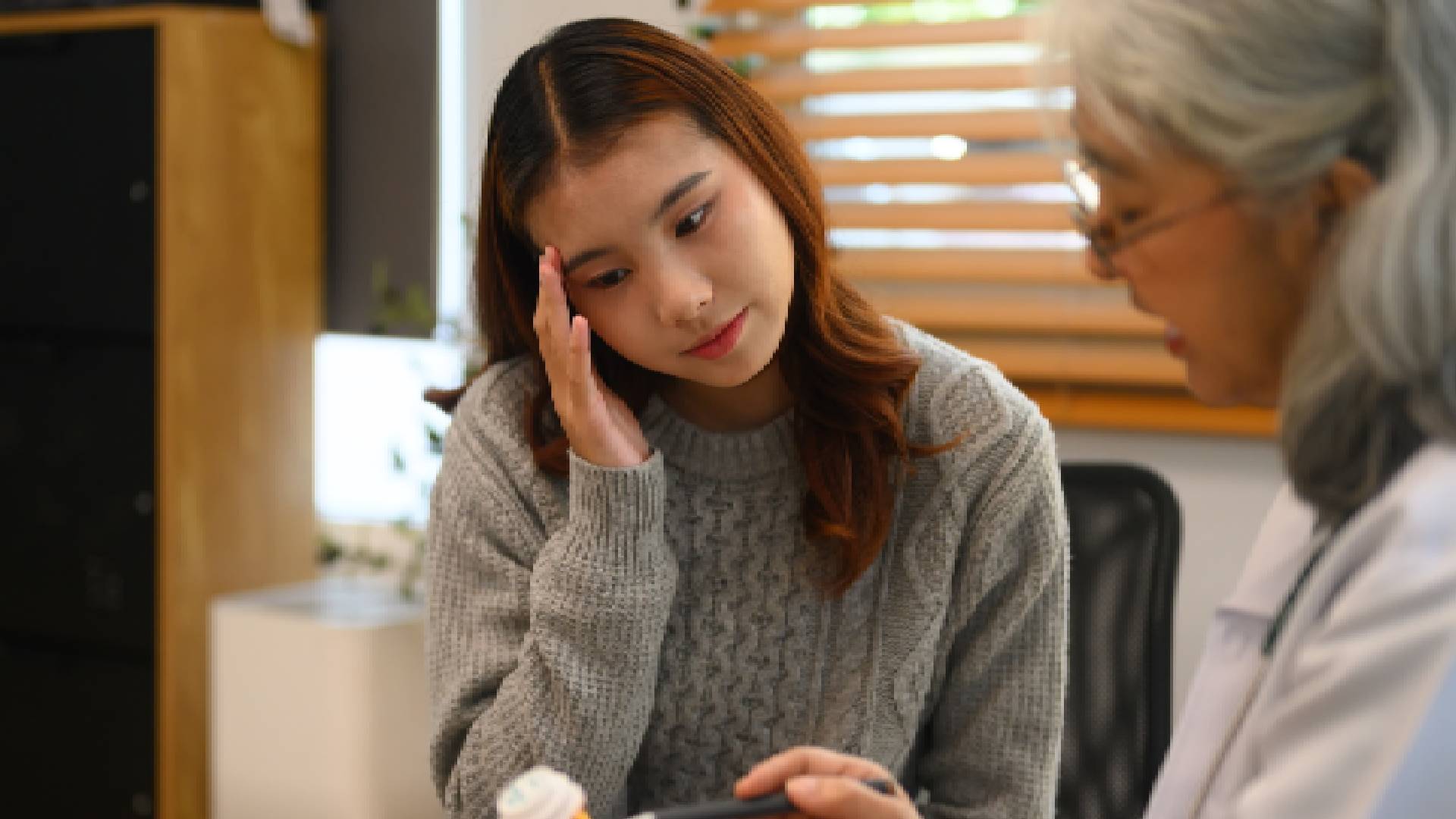

Finding hope in a confidential clinic
We remember how overwhelming it felt the moment we admitted we needed help for our opioid dependency. There were so many uncertainties swirling in our minds, particularly about where to go and how to begin. Almost every step seemed daunting. One of our biggest fears was about privacy: we worried that our friends, coworkers, or even extended family members would find out about our struggle before we were ready to talk about it. The possibility of judgment or gossip often stalled our determination to move forward.
Eventually, we discovered that a confidential opioid clinic would address these concerns and provide the supportive environment necessary for lasting recovery. The feeling of knowing our personal information would be protected gave us the courage to finally reach out. There was a quiet relief in realizing we could embark on a journey of healing without the added stress of worrying whether our private struggle might inadvertently become public knowledge.
From the start, we encountered a team of empathetic professionals who not only acknowledged our fears but also respected our boundaries. They reassured us that respect for patient privacy was not a mere catchphrase but a daily practice. Each staff member took the time to guide us through a comprehensive evaluation, ensuring they understood our unique challenges, personal goals, and medical history. This approach demonstrated that the clinic was deeply committed to recognizing each individual’s story and tailoring a treatment plan that made sense for our circumstances.
In the beginning, we were introduced to medication-assisted treatment (MAT), which combines medication with counseling and behavioral therapies to support our recovery process. Knowing that this treatment was being offered in a discreet and respectful setting helped us move forward, trusting the clinic’s approach. We learned more about MAT during these initial conversations, and the level of openness from our medical providers reinforced the notion that healing can and should happen without shame or judgment.
We also discovered that some clinics, such as Carolina Energetics, focus on creating a comfortable, compassionate, and patient-oriented atmosphere. Their staff explained how MAT works overall and how important it is for patients to feel secure in their environments. Such reassurance is critical for individuals like us who worry about being labeled or singled out. The staff never rushed any part of the conversation. Instead, we were encouraged to voice any questions or concerns along the way.
Knowing that this was our experience at a confidential opioid clinic offered a sense of empowerment. We learned that part of moving forward in recovery is feeling supported enough to explore the deeper issues fueling opioid dependency. By protecting our privacy, the clinic gave us the space to talk openly about our experiences, reflect on how various pressures might have influenced our substance use, and begin mapping out the journey to a healthier life.
At the same time, we saw how important it was to address co-occurring conditions and everyday stressors. Sometimes, these conditions or stressors can be major contributors to opioid dependency. The more we learned, the more we valued the idea of comprehensive care in a confidential, non-judgmental environment. By creating a plan specifically designed for our circumstances, the clinic showed us that trust and confidentiality go hand in hand with effective treatment. Our confidence in the process kept growing the more we saw how carefully they protected our information, from daily check-ins to thorough counseling sessions.
Why we choose medication assisted treatment
Early in our recovery journey, it was difficult for us to imagine that medication could be a crucial tool in fighting opioid dependency. However, as we consulted with medical professionals, we discovered how essential medication-assisted treatment (MAT) can be when managed responsibly. We came to realize that MAT is more than just administering a pill or injection. Instead, it combines prescribing medication with essential counseling, behavioral therapies, and peer support.
This multifaceted approach helped us in ways we never anticipated. First, the medication helped stabilize our withdrawal symptoms, which we initially feared would disrupt our entire lives. By managing withdrawal effectively, we were able to focus on the deeper emotional work required for lasting change. MAT can use different medications, such as Suboxone or Subutex, depending on a patient’s specific needs and medical history. In our case, it was comforting to know that staff members from the clinic were always available to discuss dosage adjustments and potential side effects.
We also appreciated that most clinics offering MAT follow strict guidelines. We understood that random urine tests and frequent check-ins, though they might sound intimidating, exist to ensure safety, accountability, and continuity of progress. A crucial realization was that these guidelines exist not as barriers but as helpful guardrails providing the structure we needed to remain consistent in our treatment plan.
In the experience of utilizing medication assisted treatment, we felt relief from the constant mental obsession we once had about using opioids. The medication alleviated intense physical cravings, creating room to address the underlying issues contributing to our opioid dependency. We devoted more energy to behavioral therapies where we learned healthier coping mechanisms, better communication skills, and how to rebuild damaged relationships. We also discovered the importance of peer support. Finding others who understood our experiences gave us a sense of belonging that had been missing for a long time.
From our vantage point, deciding to undergo MAT was one of the most pivotal choices we made. Instead of attempting to handle opioid dependency alone, we received structured medical support that not only tempered the negative physical impacts of withdrawal but also guided us through deeper emotional challenges. Sharing these resources and working alongside supportive professionals was genuinely life-changing.
If you or a loved one also feel hesitant about embracing MAT, remember that it is not a one-size-fits-all approach. Every individual’s history, health conditions, and personal preferences matter. A program like the medication assisted treatment outpatient plan at Carolina Energetics typically offers flexibility, letting people stay in their local community while receiving care that meets them where they are. With a supportive atmosphere plus the safety net of thoroughly monitored medication management, MAT often provides exactly the support necessary for lasting recovery.
Carolina Energetics and personalized care
When we first heard about Carolina Energetics, we were intrigued by their reputation for combining evidence-based methods with empathy and respect. Their philosophy appealed to us because it aimed to empower patients with multiple treatment options, from subutex clinic services to advanced telemedicine programs. Over the course of our journey, we have come to realize that not all clinics operate with the same level of care, which made Carolina Energetics all the more special to us.
One stand-out feature was the sense of personalized care we encountered. The staff members here understand that every patient’s situation differs, requiring an individualized plan that reflects a patient’s unique challenges. While some people may need a higher frequency of therapy sessions or additional group support, others might benefit from alternative schedules or same day suboxone appointment options when urgent care is needed. Instead of following a rigid approach, they meet patients where they are, adapting step by step. This flexibility gave us a sense of dignity and inclusion we rarely felt at other facilities.
Carolina Energetics also offers telehealth services, which can be vital for individuals who cannot easily attend in-person sessions, whether due to scheduling conflicts, travel limitations, or health concerns. During our own experience, we recognized the value of having access to a telemedicine suboxone program. It addressed one of our greatest fears: that each missed appointment could erode our momentum. Being able to consult with our medical providers from the privacy of home (or transit) was beneficial in allowing us to keep continuity and stay encouraged in our program.
Moreover, specialization in co-occurring disorders is another aspect that sets clinics like Carolina Energetics apart. For individuals grappling with both opioid dependency and an underlying mental health condition, it is indispensable to have healthcare professionals who can examine the interplay between the two. Important interventions for depression, anxiety, or traumatic stress are integrated into the core of the rehabilitation process. The entire care plan addresses more than just substance use, focusing as well on emotional well-being, healthy relationships, and life-management skills.
Ultimately, the program’s comprehensive care design—the combination of medication, counseling, holistic therapies, and community support—reassured us that our improving condition was not just a momentary reprieve. Instead, it felt like we were laying a stable foundation for our future. A personalized approach means we can adapt the pace and type of care as our physical and emotional needs evolve over time.
Overcoming stigma and fears
We recall how our reluctance to seek help was largely fueled by fears of being seen as “addicts.” In a world where stigma continues to surround substance use disorder, it is easy to feel as though no one fully understands. However, stepping into a clinic that values confidentiality was a huge step forward. It allowed us to confront our insecurities with the peace of mind that our private information would stay protected.
Overcoming stigma is a gradual process, both for society at large and for individuals. For us, the first shift happened when we realized that opioid dependency does not define who we are. We learned that opioid dependency is a chronic health condition that can be managed successfully, especially in an environment free from judgment—such as a non-judgmental opioid treatment. Understanding that our struggle with substances was a complex interplay of biology, environment, and personal stress multiplied our sense of compassion toward ourselves. We began to see that misconceptions about opioid dependency were just that—misconceptions.
Much of our fear about going to a clinic related to questions like, “Will I be recognized?” or “What if someone finds out I am there?” Yet, at Carolina Energetics, staff members are professional and compassionate, ensuring patient confidentiality remains a top priority. Their goal is not just to treat the physical aspects of opioid dependency but also to foster an atmosphere where each individual can talk about shame, guilt, or fear without experiencing further scrutiny or negative labeling.
Even while living with stigma, progress becomes possible once we decide to seek help from those who understand the importance of privacy, empathy, and specialized care. We found it incredibly uplifting to open up about our journey in group therapy sessions with others who shared similar experiences. It was there we discovered that many individuals shared those same deep-rooted fears of judgment and scorn. By speaking among peers, we collectively replaced those fears with hope and optimism. Gradually, we formed a network of support that allowed us to see beyond stigma and focus on our well-being.
Creating a supportive environment
We had read about the significance of community building for people in recovery, but it was not until we experienced it at our confidential opioid clinic that we fully appreciated its impact. At first, we were unsure if we could connect with others, especially because substance use disorders can foster feelings of isolation. However, the clinic’s approach was to actively cultivate an environment in which patients are encouraged to develop bonds, share personal stories, and learn from one another.
Sometimes, seeing the success of others a few steps ahead in their recovery helped motivate us to stay on track. Knowing that we were not alone reduced the sense of shame that often lingers around opioid dependency. In a men’s-only meeting space, for instance, individuals discuss the specific challenges they face without the added barrier of judgment from people who cannot fully understand those unique pressures. But across the broader setting, we realized that the camaraderie forming among individuals was not limited by gender or any other demographic. People from different walks of life offered empathy and insight that validated our experiences.
Additionally, group sessions promoted accountability. We looked forward to hearing updates from peers and discovered that each person played a role in supporting someone else’s progress. For instance, a strategy another participant found helpful for managing triggers might resonate with us. Or maybe our perspective on coping with stress at work could inspire another group member.
Underpinning all of this was a sense of freedom that came from the clinic’s commitment to confidentiality. We realized that talking about personal trauma, embarrassment, or regrets was easier when we knew these details would remain within the walls of the clinic. This trust was the foundation on which our emotional growth rested. It allowed us to dig deeper into the root causes of our substance use and accept help from friends, family, and professionals alike.
Exploring key treatment methods
For our recovery to be sustainable, we recognized that relying solely on medication was insufficient. Instead, addressing emotional, psychological, and behavioral aspects was vital for success. At our confidential opioid clinic, a range of treatment methods became available, each targeting a specific facet of recovery.
- Cognitive Behavioral Therapy (CBT). CBT was an invaluable tool in helping us identify distorted thought patterns associated with using opioids. By challenging these negative thought loops, we gained the power to actively reframe our perspective, steadily developing healthier coping skills. Over time, this reinforced our confidence in tackling stress, anxiety, or unhappy moods without resorting to substances for relief.
- Individual Counseling. One-on-one sessions allowed us to unpack our personal history and emotional baggage. Guided by an experienced counselor, we examined the root of our opioid dependency while discussing current triggers. These sessions ensured we had a safe place to open up about past failures, family dynamics, or ongoing interpersonal conflicts, creating an environment conducive to personal growth.
- Group Therapy. Sharing our stories in a group setting, while initially nerve-wracking, proved transformative. Hearing how others overcame similar hurdles gave us new ideas for dealing with cravings or emotional setbacks. Understanding that we were not the only ones struggling made a tremendous difference in how we perceived our own progress.
- Opioid withdrawal management program. Withdrawal can be daunting, especially in the first stages of quitting. The medical support behind a well-structured withdrawal management program helped us navigate this stressful period. Physicians and nurse practitioners frequently checked on our symptoms, dosage, and emotional state, ensuring we never felt neglected.
- Aftercare Planning. A vital component of the clinic’s approach was emphasizing life after treatment. Recovery does not end once we taper off medication or complete an inpatient cycle. Our care team explained strategies to maintain sobriety in day-to-day life, detailing how to access resources like a telemedicine suboxone program for continuing medical check-ups or relapse prevention education.
This wide menu of options worked together to create a comprehensive care plan that tackled various angles of opioid dependency. We realized that addressing the emotional, physical, and social components of substance misuse makes long-term wellness and freedom from opioids more achievable. It was uplifting to see so many specialized approaches combined into an overarching system and delivered within a confidential setting that protected our privacy.
Ensuring privacy and respect
Among the many fundamental values we observed in our recovery journey, privacy and respect stand out. We often felt vulnerable during treatment, especially when discussing painful, sometimes traumatic experiences. By attending a confidential opioid clinic, we found that privacy was guaranteed by design. Our personal details, medical records, and the specifics of our case were stored securely, protected by rigorous safeguards.
Clinicians and administrative staff treated each of us with dignity. They recognized that confidentiality is not just about legal obligation but about upholding respect for every individual’s humanity. This respectful treatment fostered trust. We could be honest about complex emotions ranging from shame to regret to fear, without feeling as if those confessions might later be used against us.
Additionally, privacy extended beyond file protection. Respect meant not rushing our decisions about medication changes, therapy schedules, or disclosing our status to others. It empowered us to make decisions on our own timeline, centered on our comfort and well-being. Even in group settings, an unspoken commitment to privacy existed—what happened in therapy sessions or group gatherings remained there. We discovered that the other participants also valued this etiquette.
For many of us, that sense of dignity was a turning point. It was one thing to read about confidentiality policies online, but it was another to see them carried out earnestly. By protecting our identities, experiences, and personal narratives, the clinic demonstrated that pride in patient care extended far beyond simply administering medication. The facility’s commitment to privacy reminded us that we were not just another case file. We were individuals deserving of respect, empathy, and support.
Sustaining our long-term recovery
One of the most significant truths about opioid dependency is that healing does not simply end once we achieve a short span of sobriety. For many individuals, ourselves included, it is a lifelong journey requiring continued effort, vigilance, and support systems. In the early weeks and months of treatment, the process can feel overwhelming. The body is detoxifying, emotions might be erratic, and guilt about past actions can linger. We discovered that a strong aftercare plan is essential in navigating these obstacles.
In addition to consistent follow-up visits, many confidential clinics offer or recommend support groups. It might take the form of peer-run groups or professional counseling sessions focusing on relapse prevention strategies. For us, hearing how others were pushing through daily dilemmas—like dealing with triggers at family gatherings or unexpected work stress—provided practical tips we could apply immediately. We learned about the importance of an opioid relapse prevention plan, which breaks down potential triggers and outlines heartening ways to respond when cravings emerge.
Another key factor is having professionals on call or accessible through telehealth, especially if we experience sudden difficulties or warning signs of relapse. Access to resources such as subutex clinic appointments or sessions with a telemedicine provider becomes invaluable in that situation. We also discovered that the staff’s empathetic approach was an ongoing source of reassurance. Knowing we could check in at any point offered us a feeling of security that we lacked when we previously tried to stop using opioids on our own.
Over time, we each began developing new routines that aligned with our vision for a drug-free life. This included prioritizing healthy nutrition, exercise, and mindfulness activities. We recognized that our mental health also required continuous attention, so we stayed in contact with a psychologist for stress management. These incremental changes, taken as a whole, created a lifestyle where there was less room for cravings to flourish. They also illustrated how a comprehensive support system, from our confidential opioid clinic to supportive peers, contributed significantly to preserving momentum.
We learned that it is not just about avoiding relapse but also about cultivating a fulfilling life. For us, that involved rediscovering passions we once ignored due to substance dependence. Others find community service, travel, or simply focusing on strengthening family bonds to be meaningful pursuits. Regardless of the specific direction, a robust long-term recovery plan ensures that we keep growing, exploring, and caring for ourselves every day.
Frequently asked questions
- What does “confidential opioid clinic” mean exactly?
A confidential opioid clinic is a treatment facility that prioritizes patient privacy and data protection. All your medical information and any disclosures you make during therapy or medication management sessions remain strictly confidential. This helps patients feel more comfortable sharing sensitive details, which often leads to better outcomes in recovery. - How does Carolina Energetics ensure patient privacy?
Carolina Energetics uses secure processes for storing and handling patient records, and they follow strict guidelines to maintain privacy. From intake forms to counseling sessions, each step is designed to protect personal information. Respecting patient privacy is not only a legal requirement but also a moral and professional commitment throughout the organization. - Is medication assisted treatment right for everyone struggling with opioid dependency?
Not necessarily. MAT is highly effective for many people, but treatment should always be personalized. A healthcare provider typically conducts a thorough assessment, considering medical history, risk factors, and personal preferences. Some may respond better to different approaches, but MAT often helps reduce cravings and withdrawal symptoms, thereby improving engagement in therapies and support programs. - Are same-day appointments for Suboxone available?
Yes, some clinics do offer a same day suboxone appointment option. This can be beneficial if you or your loved one needs prompt attention to manage withdrawal symptoms or prevent relapse. Always contact the clinic ahead of time to confirm availability and schedule details. - What ongoing support is provided after initial treatment?
Long-term recovery involves continued therapy sessions, support group meetings, and medical follow-ups to monitor progress and adjust treatments. Many clinics, including Carolina Energetics, also provide telehealth options to ensure timely and convenient care. The goal is to offer an integrated system of support so patients can maintain improvements in their daily lives and navigate challenges with confidence.
By embracing medication assisted treatment, structured support, and a compassionate environment, we discovered that opioid dependency does not have to define our lives. A confidential opioid clinic such as Carolina Energetics respects our privacy, addresses our unique challenges, and empowers us with the support necessary for lasting recovery. Although the journey was not always easy, knowing we had consistent care and guidance made all the difference in turning our hopes for health and wellness into reality.