Understanding alumni check in telehealth appointments
When you complete active treatment or graduate from your MAT program, you do not stop needing support. Your life simply shifts into a new phase of recovery. Alumni check in telehealth appointments are designed to meet you right there, giving you convenient access to ongoing care, education, and community while you rebuild your life.
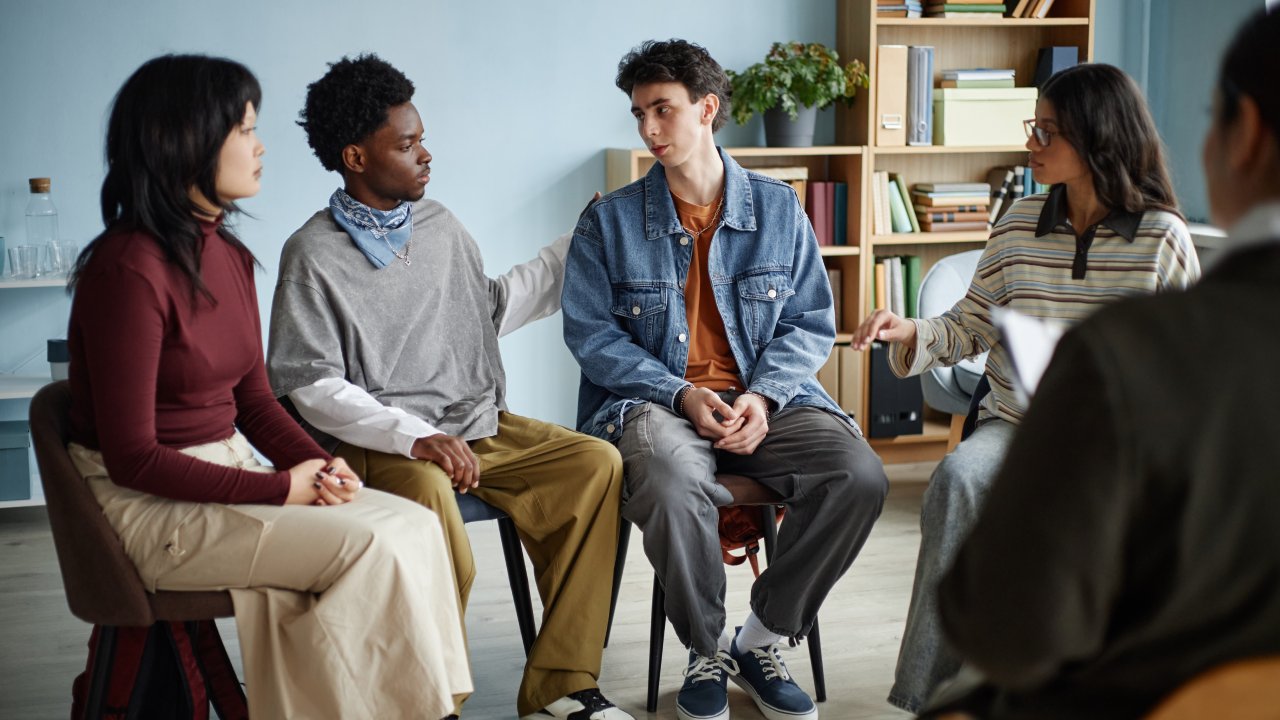
In a telehealth alumni check in, you connect virtually with your care team or recovery community. This might look like a brief medical follow up about your medication, a relapse prevention coaching session, or a group-style check in that feels similar to mat alumni group sessions. You attend from home, work, or anywhere you feel comfortable.
Research shows that telehealth can reduce hospitalizations and shorten hospital stays when it is used consistently as part of ongoing care, including behavioral health support [1]. For you, that means alumni telehealth appointments are not just “nice to have,” they can be a practical tool that helps you stay healthier and more stable over time.
Why staying connected after treatment matters
Finishing a program is an important milestone, but it is not the finish line. opioid dependency is a chronic, relapsing condition. National data show that 40 to 60 percent of people with substance use disorders will experience relapse at some point [2]. This does not mean you have failed. It means you need ongoing structure and support.
Alumni programs help you stay connected to your recovery team and your peers. When you know you have a regular alumni check in on your calendar, you are more likely to reach out early if you start to struggle. Behavioral health providers see that people who remain connected through telehealth and other alumni supports have better long term engagement and are more likely to return for care instead of dropping out completely when things get hard [2].
You also benefit from the power of peer connections. Alumni often become the strongest source of referrals and encouragement for others in treatment, accounting for more than half of referrals in some programs [3]. When you stay actively involved, you are not only protecting your own recovery, you are also helping someone else believe that long term change is possible.
How telehealth alumni support strengthens your recovery
Telehealth alumni appointments are not meant to replace every in person visit. Instead, they add flexibility and stability to your recovery plan. Patients consistently report high satisfaction with telehealth because of its convenience and comfort, both before and after the pandemic period [1].
You might use alumni check in telehealth appointments to:
- Review your medications and discuss side effects or concerns
- Work on mat maintenance and relapse prevention skills
- Process recent stressors that could increase cravings
- Reconnect with your community mat support group or peer mentors
- Check in after a high risk event, such as a loss, conflict, or major transition
Telehealth can also reduce the number of in person visits and lighten the load on clinics, without sacrificing quality of care [1]. For you, this often means shorter wait times and more predictable access to your team when you need them.
Core benefits of alumni telehealth check ins
Easier access and fewer barriers
Transportation, childcare, work schedules, and health challenges can all make it hard to get to the clinic regularly. Telehealth removes many of those barriers. You can attend from your phone, tablet, or computer in a private space that works for you.
During the COVID‑19 pandemic, organizations like Telehealth Access for Seniors showed how powerful this can be. They helped older adults obtain devices, learn basic technology skills, and connect with their providers when it was no longer safe to attend in person [4]. The same principle applies to you. When the technology hurdle is lowered, it becomes much easier to keep appointments and maintain continuity of care.
If you live in a rural area, have limited transportation, or manage anxiety that makes leaving home difficult, alumni telehealth check ins can be the difference between staying engaged and dropping out of services altogether.
Reduced isolation and stronger community
Recovery can feel lonely, especially after a structured program ends. Virtual alumni networks and apps that include virtual support meetings, sobriety tracking, and moderated communities help reduce that isolation and provide daily touchpoints with peers [3]. Users in these programs describe the sense of connection as essential, especially for people in rural areas and those who struggle with anxiety.
At Carolina Energetics, you can extend that same sense of connection through:
- Ongoing mat alumni group sessions
- A peer support program for suboxone patients
- A broader holistic recovery alumni network that integrates education, community, and wellness
Alumni telehealth appointments keep you plugged into a community that understands your journey and speaks the same language of recovery.
Early intervention and relapse prevention
Telehealth alumni check ins are an ideal setting for focused relapse prevention work. You can review skills from opioid dependency education for mat clients, practice coping strategies, and refine your personal plan with your provider or group.
Effective alumni programs use structured systems such as CRMs and automated reminders to keep communication consistent over time. These tools help providers track participation, send educational resources, and reach out if you have not checked in recently [2]. When combined with telehealth, this makes it much easier to intervene early, long before a lapse turns into a full relapse.
You can also pair telehealth appointments with resources like:
- Support group relapse prevention tools
- Relapse prevention education mat
- Our peer accountability recovery program
Together, these supports help you recognize warning signs quickly and respond with actions that protect your recovery.
What happens during an alumni telehealth check in
Building trust and comfort online
You might wonder whether it is possible to feel truly connected to a provider or group through a screen. Evidence suggests that it is, as long as the visit is structured with connection in mind. Best practices from the U.S. Department of Health and Human Services highlight a few simple steps that make a big difference [5]:
- A staff member can walk you through the platform beforehand, so you feel confident using it
- Your provider can spend a few minutes in casual conversation at the start, which helps you relax
- Active listening, open ended questions, and teach back techniques support clear communication
- Verbal affirmations and simple visual cues, such as nodding and steady eye contact, help you feel seen and understood
In practice, a typical alumni check in might start with a quick technology check, then move into a discussion of how you have been feeling, any recent triggers, and your goals for the next week or month. You and your provider or group might update your safety plan, adjust coping strategies, or schedule additional support if needed.
Your role on the virtual care team
Telehealth can also change how you experience your role in your care. In a recent study of people who use telehealth regularly, 72 percent saw themselves as active members of their healthcare team rather than passive recipients of care [6].
You contribute by:
- Completing electronic check in forms or brief surveys before your appointment
- Reviewing your own health history through the portal
- Sending questions or updates ahead of time
- Sharing openly during the visit about what is and is not working
This two way communication helps your provider prepare better, coordinate with other team members, and focus the visit on what will help you most. You are not just “checking a box.” You are collaborating on your long term recovery plan.
How alumni telehealth fits into MAT and medication support
If you are on long term buprenorphine, Suboxone, or Sublocade, alumni telehealth appointments can support the medical side of your recovery as well as the emotional and social parts. They can be paired with services like:
- Long term suboxone maintenance care
- The sublocade patient success program
- A structured mat program continuing care plan
During a telehealth visit, you can discuss side effects, cravings, and adherence issues, and your provider can decide whether any adjustments are appropriate. While some medication changes still require in person visits and lab work, telehealth lets you handle many follow ups from home, which reduces the chance that you will miss important check points.
You also remain connected to broader MAT education. For example, opioid dependency education for family members can help your loved ones understand your medication plan and how to support you, while opioid dependency peer mentoring network involvement pairs you with peers who have successfully navigated similar treatment paths.
Education and alumni programming that keep you moving forward
Ongoing education as a relapse prevention tool
Recovery education should not stop at graduation. As you move further from active treatment, new questions come up. Your stressors change. Your relationships shift. Alumni telehealth appointments provide a space to keep learning.
You might participate in:
- Topic based sessions focused on sleep, anxiety, or pain management
- Refreshers on cravings, triggers, and emotional regulation
- Workshops on employment, boundaries, or rebuilding trust with family
Telehealth is an effective way to deliver this type of education. Alumni apps that combine weekly groups, workshops, and resource libraries have been shown to be highly valuable for people who want to sustain recovery over time [7]. Carolina Energetics mirrors these approaches through local and virtual offerings that are tailored to MAT clients.
For more educational support, you can explore:
- opioid dependency education for mat clients
- Mat graduation support resources
These resources, paired with alumni check ins, help you keep building skills instead of drifting back into old patterns.
Community, outreach, and giving back
Alumni telehealth appointments can also serve as touchpoints into a larger community. Many programs invite alumni to participate in events, service projects, and mentoring opportunities that create a sense of purpose.
You can strengthen your recovery by engaging with:
- Community events for mat recovery
- Community outreach opioid dependency awareness initiatives
- Structured mentoring through our opioid dependency peer mentoring network
Virtual tools like webinars with live Q and A, interactive polls, and small breakout discussions have been shown to increase engagement and participation in alumni networks [8]. At Carolina Energetics, similar strategies can be used in your telehealth groups or alumni meetings, so you are not just watching but actively participating.
When you stay involved as an alum, you keep your recovery close to the center of your life and you also become a living example of hope for others coming up behind you.
Practical tips to get the most from alumni telehealth
Alumni check in telehealth appointments are most effective when you use them intentionally. A few simple practices can help you get more value from each visit:
- Prepare briefly before each session
Spend a few minutes thinking about how you have been since your last contact. Note any cravings, mood changes, sleep issues, or high risk situations. Jot down one or two questions you want to ask. - Choose a private, stable location
If possible, attend your appointment from a quiet space with reliable internet or cell service. Use headphones if you are concerned about privacy. - Use your patient portal and reminders
Take advantage of text or email reminders and online check in features. These tools make it easier to stay consistent and they give your provider key information before the call [6]. - Ask for technology help when you need it
If you feel unsure about the platform, let staff know. Programs that walk patients through the technology in advance see smoother visits and less anxiety about telehealth [5]. - Follow through between appointments
Use what you discuss. That might mean attending your community mat support group, completing a worksheet from support group relapse prevention tools, or reaching out to a peer from your holistic recovery alumni network.
How Carolina Energetics supports your long term success
Your recovery does not end when active treatment does. Carolina Energetics is committed to walking with you into long term stability through a combination of:
- Regular alumni check in telehealth appointments
- Structured recovery management program north carolina services
- Educational offerings such as relapse prevention education mat
- Peer based options, including the peer support program for suboxone patients and peer accountability recovery program
By staying connected through telehealth and alumni programming, you extend the safety net that helped you stabilize in early recovery. You continue to learn, practice skills, and show up for a community that understands you.
If you are ready to strengthen your long term plan, consider scheduling your next alumni check in. Each virtual appointment is a chance to reinforce what you have built, address new challenges early, and keep moving forward in a recovery that lasts.