
Recognizing opioid dependency
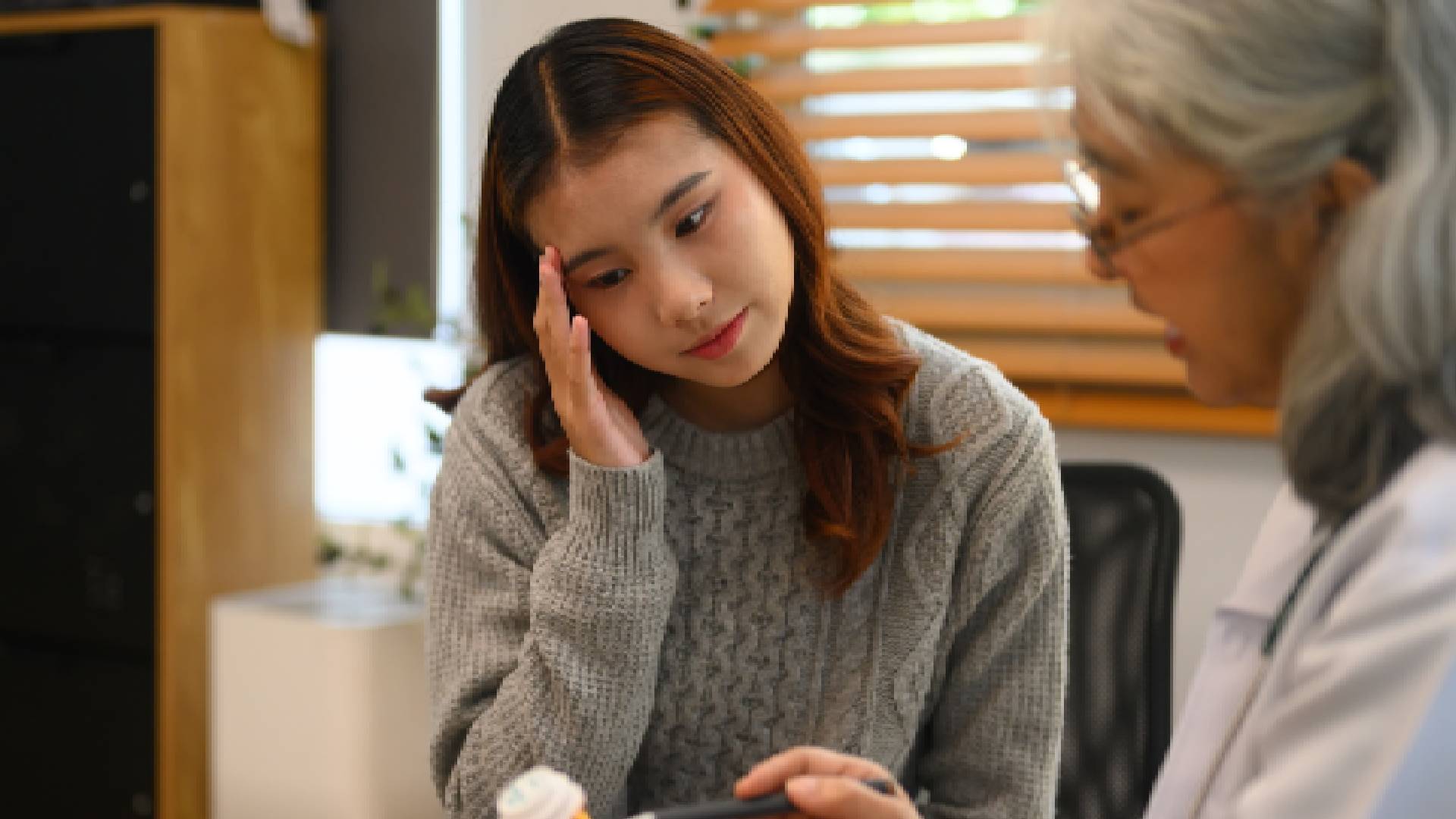
Opioid dependency treatment is a critical and urgent matter for individuals in search of a way out of substance use. Millions of Americans have faced or currently face opioid dependence, and the resulting career, family, and personal challenges are often immense and far-reaching. As a collective community, we have grown more aware of opioid use disorder and its toll on emotional well-being, relationships, and overall health. By acknowledging that these struggles are valid and require specialized solutions, we underscore why comprehensive care is so essential.
Understanding physical dependence
Physical dependence on opioids develops when the body grows accustomed to their presence and adapts to function around them. This adaptation triggers withdrawal symptoms once the individual tries to stop or reduce their use. Our bodies tend to crave the substance to avoid those uncomfortable symptoms, which can include nausea, muscle aches, sweating, or agitation. Although the presence of physical dependence can be disheartening, it is important for us to remember that opioid dependency does not define who we are.
When physical dependence sets in, it alters the way our brains release and regulate neurotransmitters like dopamine and endorphins. In this scenario, our bodies may struggle to experience pleasure or relief without opioids. This is one of the major reasons why medication-assisted programs can help in preventing sudden withdrawals and alleviating intense cravings.
Shifting emotional and psychological needs
It is not only our physical health that is affected by opioid dependency. Emotional and psychological health can decline, often leading to a sense of helplessness, shame, or guilt. Some of us may withdraw from friends and family members, fearing judgment or misunderstanding. Others might hide their struggles to project an image of strength and independence, when in reality, reaching out for help is far more courageous.
Opioids can temporarily dull emotional pain, creating an illusion of relief. Over time, though, dependence can amplify negative feelings or unresolved trauma. Underlying mental health needs, such as anxiety, depression, or post-traumatic stress, may also escalate once opioid dependency emerges. Handling these issues, either through direct therapy or in a well-rounded treatment program, becomes crucial. Carolina Energetics recognizes that treating opioid dependency must include caring for every part of our well-being—physical, emotional, and psychological.
Embracing medication-assisted treatment
Medication-Assisted Treatment (MAT) is widely considered a game changer in the realm of opioid dependency. By combining approved medications with counseling or behavioral therapies, MAT addresses both the physical toll and the psychological triggers of opioid dependency. We see MAT as more than a temporary fix. Instead, it is a strategy that supports us in maintaining sobriety, leading to better long-term outcomes and a renewed sense of possibility.
How MAT works
Our mission at Carolina Energetics is to create a supportive and empathetic environment that normalizes the recovery journey. MAT programs incorporate medications such as Suboxone, buprenorphine, and naltrexone, each aiming to reduce cravings and moderate withdrawal symptoms.
Below is a quick overview of some commonly used medications in MAT:
| Medication | Primary Use |
|---|---|
| Buprenorphine | Reduces cravings and withdrawal symptoms |
| Methadone | Stabilizes and prevents intense withdrawal |
| Naltrexone | Blocks opioid receptors to discourage use |
| Suboxone | Combines buprenorphine with naloxone to help prevent misuse |
By employing these medications, we help diminish the discomfort of detoxification. This not only allows us to focus on the emotional and behavioral aspects of treatment but also encourages engagement in support groups and therapy sessions. Our subutex clinic offers a specialized path for those who respond best to buprenorphine-based treatments, including patients who prefer a more targeted approach without an added opioid antagonist like naloxone.
Benefits of counseling integration
Just as crucial as the medications themselves is psychotherapy, or talk therapy. We understand that unearthing deep-rooted emotional triggers is essential. Counseling sessions provide a safe forum for us to confront negative thought patterns, past traumas, or any self-defeating behaviors. Cognitive Behavioral Therapy (CBT), motivational interviewing, or group therapy can be particularly beneficial for identifying potential obstacles and reinforcing healthier habits.
We also offer specialized programs like co occurring disorder treatment to address conditions like depression, anxiety, or bipolar disorder that often accompany substance use challenges. By integrating mental health care, we cultivate a more holistic recovery, resulting in improved emotional resilience and better overall outcomes.
Choosing Carolina Energetics now
In a landscape where many facilities promise relief from opioid dependency, we at Carolina Energetics stand out for our commitment to individualized care and our emphasis on long-term stability. Our guiding philosophy is built upon empathy: we believe in walking alongside each patient, recognizing that opioid dependency is not a moral failing but a health issue requiring a caring and specialized approach.
Commitment to personalized care
We understand that each journey is unique. Some of us may wrestle with severe withdrawal symptoms, while others might need coping strategies for underlying trauma. Our range of services accommodates different requirements, ensuring our patients receive the care that most closely aligns with their priorities and circumstances. For instance, if scheduling conflicts make travel or in-person visits challenging, our telemedicine suboxone program helps bridge the gap by offering quality care through modern technology.
We also recognize that quick access to professional medical help is crucial. Through our same day suboxone appointment option, we reduce the wait times for initiating treatment. This step can make the difference between someone deciding to pursue health or feeling overwhelmed and giving up. Even on busy weekends, we aim to remain accessible, and our saturday telemedicine appointments are designed to accommodate hectic schedules.
Extensive experience and warm support
For us, it is never enough to offer medication alone. Our integrated teams are composed of healthcare professionals, counselors, and support staff who bring a wealth of experience to the field of opioid dependency treatment. What sets them apart is not just clinical skill, but also compassion. We provide a space where patients can share struggles, find mutual understanding, and celebrate wins—no matter how small or large. This environment builds confidence and fosters hope, two pillars that can make a decisive difference in the recovery journey.
We want to create a therapeutic partnership rather than a hierarchical dynamic. We value patient feedback and make every possible effort to evolve and refine treatment plans, ensuring that your voice and personal goals remain at the center of care. Whether we need an opioid withdrawal management program, a more structured outpatient schedule, or specialized support for pregnant or postpartum individuals, flexibility is key.
Making treatment accessible
Because opioid dependency recovery often demands urgent intervention, we do our best to reduce barriers. Our priorities include financial flexibility, discreet services, and a comprehensive range of options that remove the hassle of seeking help. We do not want a shortage of funds, busy lives, or stigma-related fears to stand in the way of healing.
Insurance and payment options
Insurance can be complicated, and many of us may worry about whether an in-network provider is available for their specific plan. To address this concern, we offer an insurance verified opioid clinic to help us navigate billing details and coverage. Additionally, we provide coverage verification to reduce potential surprises or hidden costs. If insurance does not apply or is not sufficient, our cash pay suboxone clinic helps guarantee that everyone has a pathway to treatment.
Some of us may require more extensive tests to ensure our progress remains on track. For those who worry about paying for lab work, programs like bloodwork covered insurance and urine drug screen covered insurance can ease extra financial burdens and keep the focus on recovery.
Confidential support and telehealth
We fully appreciate that the stigma attached to substance use disorders can have a powerful effect on whether people seek help. Our confidential opioid telehealth clinic gives patients the option to receive professional care in private, from wherever they feel most comfortable. Video consultations open the door for discussions about medication dose adjustments, mental health check-ins, and compliance with treatment guidelines—while ensuring that one’s identity and condition remain safe. This approach has helped many of us who live in far-flung areas or those who feel more at ease attending appointments from their own homes.
In addition, having the ability to maintain follow-up care remotely ensures continuity of support—especially important for individuals who travel frequently or have family obligations to juggle. We also know that physical transportation can be an obstacle, so offering telehealth means fewer missed appointments and consistent access to our dedicated professionals.
Convenience for urgent needs
Waiting weeks for an initial appointment can be daunting and disheartening. We want to make sure that those in crisis do not slip through the cracks. Our phone lines and scheduling systems are designed to respond quickly to urgent needs. Whether someone is experiencing intense cravings, beginning withdrawal, or has just decided to take that vital first step, we want to have them meet with a professional promptly.
Our opioid treatment hotline info provides immediate guidance for those unsure of what step to take. By picking up the phone, an individual can obtain clearer direction, reassurance, and a same-day or next-day appointment to initiate treatment. By proactively tackling the fear and doubt surrounding the first phase of recovery, we empower patients to stay the course.
Building a supportive environment
We firmly believe that the best outcomes come from a strong sense of community. Substance use disorders can be isolating, but that sense of isolation can be mitigated when we feel safe to share our stories. Whether the setting is an in-person group session, a telehealth-based therapy meeting, or a phone call with a counselor, we ensure that everyone is treated respectfully and that personal experiences are validated.
Finding validation and understanding
We know that substance use disorders—as well as the stigma that paints individuals with negative assumptions—can weigh on mental health. A central component of our non-judgmental approach is to welcome every individual’s unique path without shame or blame. Our non judgmental opioid treatment model ensures that we focus on solutions rather than dwelling on guilt or regret. We emphasize the importance of empathy, not only from our healthcare providers but also from peers in the program.
When we recognize that others can relate to our internal battles and emotional experiences, we often feel more comfortable exploring deeper feelings. In a group setting, participants can discuss shared challenges, from the everyday triggers to the joys of personal growth. Through guided dialogue, new coping skills emerge, along with beneficial strategies that can be tried in real-life scenarios.
Offering holistic approaches
Although medication and therapy are central to opioid dependency treatment, we also know the value of overall wellness. Stress reduction, balanced nutrition, and exercise can each play a meaningful role in restoring mental and physical health. Our holistic opioid treatment program incorporates a variety of methods to promote entire-person healing, empowering us to reshape our behaviors step by step.
Holistic therapies might include mindfulness practices or guided meditation sessions to curb anxiety and boost mood. Yoga or other gentle exercise programs can help revitalize the body and improve cardiovascular health. Dietary guidance ensures that we set realistic nutrition goals, providing the proper fuel for healing. By supplementing medication-based treatment with holistic approaches, we strive to create an environment where all aspects of wellness are recognized.
Planning for lasting recovery
Engaging in opioid recovery is not solely about immediate stabilization. Instead, it is about building a foundation that can sustain ongoing personal and emotional development. Once we move beyond the early phases of detox and withdrawal, we often realize how crucial planning and aftercare are to long-term success.
Setting realistic goals
Goal-setting helps instill a sense of direction and motivation, keeping us present and accountable. Collaborative treatment planning ensures that each individual’s objectives reflect their life circumstances—work schedules, family responsibilities, or health issues. At Carolina Energetics, we prioritize setting well-defined milestones, such as attending therapy sessions regularly or preparing for a suboxone taper program outpatient once stability is reached.
Every plan includes methods for handling triggers or high-risk situations. Some of us might need a structured approach to navigate social gatherings, while others might have to rearrange daily routines to avoid reminders of substance use. We emphasize the importance of open communication with our care team. If something is not working or if new triggers emerge, we adjust the plan accordingly.
Relapse prevention and accountability
Relapses can happen. It is important to recognize that experiencing a setback is not indicative of failure. Instead, we look at it as a chance to refine coping tools and reevaluate treatment strategies. Our opioid relapse prevention plan includes not just medication management, but also a robust support system and safety measures. For instance, if cravings escalate during a specific time of day, a patient could schedule check-ins with a counselor around those times or ask for adjustments in medication dosing.
We also value accountability partners. When we nurture connections with peers on similar journeys, we can engage in consistent mutual support. Coordinating phone calls or text messages to provide updates further strengthens motivation. Sharing that accountability fosters a sense of unity, especially in moments of vulnerability or anxiety about potential relapse.
Identifying co-occurring disorders
For many of us, opioid use might be closely tied to unresolved or underlying mental health conditions. Depression, anxiety disorders, and post-traumatic stress disorder can exacerbate substance use and vice versa. Our co occurring disorder treatment recognizes that mental health is an integral component of the recovery process, rather than an afterthought. By offering dual-diagnosis care, we address the entire spectrum of our health, thereby lowering the likelihood of relapse and providing deeper healing.
Effective treatment for co-occurring disorders requires a multi-pronged approach. We incorporate therapy sessions that focus on symptom management, medication interventions for mental health, and close monitoring to identify shifts in mood or behavior. Our integrated methodology helps patients better understand how mental health struggles influence their substance use, and vice versa. This insight paves the way for healthier coping mechanisms, encouraging self-awareness and emotional regulation.
Frequently asked questions
Below, we answer some of the most commonly searched questions about opioid dependency treatment and the services we offer at Carolina Energetics. Each response aims to provide clarity and reduce any lingering uncertainties around beginning or continuing treatment.
- How quickly can I start treatment for opioid dependency?
We understand that timely care can make all the difference. Often, we can schedule an initial appointment within 24 to 48 hours. In urgent cases, our same day suboxone appointment is also available, ensuring you receive immediate medical support when you need it most. - Is medication-assisted treatment just replacing one opioid dependency with another?
MAT is a verified approach backed by scientific research. Medications like Suboxone or buprenorphine help remove the severe cravings and withdrawal symptoms so that you can focus on therapy and long-term recovery strategies. They are typically used under strict medical supervision, gradually tapering when you are ready. - Can I continue working or attending school during treatment?
Yes, many of our programs are designed with flexibility in mind. For example, we offer telehealth behavioral health support so that you can schedule virtual sessions or medication check-ins outside of typical work or school hours. This structure helps you maintain normal routines while still receiving high-quality care. - What if I experience a relapse?
Relapses can happen. They do not undermine your overall progress or future potential for recovery. If a setback occurs, we quickly realign your treatment approach, adjusting medication as needed and offering more comprehensive support. Our opioid craving management therapy protocols can also be employed to help overcome new or recurring triggers. - Can I get help even if I’m pregnant?
Absolutely. Our pregnant opioid treatment program and postpartum opioid treatment program provide specialized services designed for mothers and expectant mothers. They offer a safe setting where you can receive medically supervised treatment along with both prenatal and postpartum care.
Conclusion
Opioid dependency might impose significant physical, emotional, and social burdens, but it does not have to strip away hope. Through evidence-based medication-assisted treatment, compassionate counseling, and personalized care plans, we at Carolina Energetics are committed to making recovery attainable and empowering for everyone it touches. Our mission is to ensure that each person who crosses our path finds a community of support that embraces not only their immediate need for relief from cravings and withdrawal but also their ongoing journey toward wholeness and stability.
We carry out this commitment by tailoring MAT to fit our diverse needs, offering accessible telemedicine options, maintaining confidentiality, and striving to eradicate stigma through empathy and understanding. We blend proven medical interventions with emotional support, mindful therapies, and a focus on co-occurring disorders. In doing so, we provide an environment in which no one is dismissed or overlooked.
As we take these courageous steps, let us remember that we do not face this challenge alone. By tapping into the resources offered through Carolina Energetics, we can focus on the work of rebuilding, redefining, and ultimately rediscovering our capacity to thrive. Our sense of community, combined with skilled professionals and evidence-based practices, makes opioid dependency treatment more than a distant possibility: it makes lasting recovery a reality for us all.